
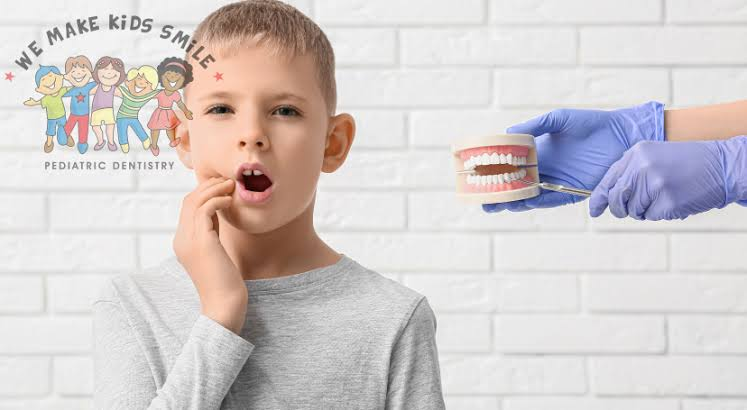
You noticed it during dinner, or maybe in a photo, your child keeps food on one side, chews there, and avoids the other. Once you see it, you cannot unsee it. It is easy to wonder if this is just a habit or a sign that something hurts. That worry makes sense, especially when thinking about children’s dental care in Oxnard, CA. Kids do not always say, “My tooth hurts,” and one sided chewing can be their way of working around a problem.
How Pediatric Dentists Evaluate Children Who Chew Mostly On One Side usually comes down to one goal, finding out whether your child is avoiding pain, dealing with a bite issue, or simply stuck in a pattern that has become routine. A pediatric dentist looks at teeth, gums, jaw movement, bite alignment, wear patterns, and sometimes breathing or grinding habits. The answer is not always serious, but it does deserve a careful look.
Children who favor one side often do it for a reason
Kids rarely change the way they chew for no reason. One of the most common causes is discomfort on the side they avoid. A cavity, a cracked baby tooth, gum irritation, food stuck between teeth, or a loose tooth can all make chewing feel sharp or strange. If your child has trouble explaining what hurts, they may just switch sides and keep going.
Bite issues can also push chewing to one side. If the teeth do not meet evenly, one side may feel easier or more stable. Sometimes the jaw shifts to avoid contact that feels off. You might hear clicking, notice uneven wear, or see your child open wide in a crooked path. In other cases, enlarged tonsils, mouth breathing, or clenching at night can affect how the jaw rests and moves during the day.
That is why a children’s dentist assessment for one sided chewing is more than a quick glance. The pattern itself matters, but the reason behind it matters more.
A pediatric dental exam for one sided chewing looks at more than teeth alone
During the visit, the dentist usually starts with the story you bring in. When did you first notice it. Does your child avoid certain foods. Is there pain with cold drinks, brushing, or biting. Has there been a recent fall, filling, or loose tooth. Those details help narrow down whether this is likely pain, function, or habit.
The exam often includes checking for cavities, chipped teeth, sore gums, signs of infection, and places where food may be trapping. The dentist watches how your child bites down and how the jaw moves from side to side. They may look for crossbite, crowding, a shifted midline, or early tooth loss that changed spacing. If there are signs of grinding or clenching, they may review tooth wear and talk about sleep habits. The National Institute of Dental and Craniofacial Research explains more about bruxism and grinding, which can play a part in jaw strain and uneven chewing.
X rays may be recommended if the surface looks normal but your child still avoids one side. Problems under the gumline, between teeth, or around a developing tooth may not be visible without imaging. If the issue points beyond the teeth, such as jaw joint function or airway concerns, the dentist may suggest follow up with an orthodontist, pediatrician, or ear, nose, and throat specialist.
Waiting can turn a small pattern into a bigger problem
If one sided chewing starts because of pain, children can adapt so well that the original cause stays hidden while the habit gets stronger. The side doing all the work may show more wear. The side being avoided may collect more plaque because it gets less natural cleaning from chewing. Jaw muscles can become unbalanced, and some children start to complain of tired jaws, headaches, or face soreness.
You may also run into mealtime issues that feel behavioral at first. A child starts rejecting crunchy foods, takes longer to eat, or stuffs food into one cheek. It can look picky, stubborn, or distracted when they are really trying to avoid discomfort. General tooth and mouth problems can show up in many forms, and MedlinePlus has a helpful overview of tooth disorders if you want a broad picture of what can affect chewing.
Professional evaluation gives clearer answers than watching and waiting
| What you notice at home | What it might mean | What a pediatric dentist checks |
| Chews on one side for most meals | Habit, tooth pain, bite imbalance | Bite pattern, cavities, jaw movement, sore spots |
| Avoids crunchy or chewy foods | Loose tooth, sensitivity, crack, gum pain | Tooth stability, enamel wear, gum health, hidden decay |
| Jaw clicks or shifts when opening | Functional jaw issue or bite interference | Range of motion, joint sounds, how teeth come together |
| Grinding at night and one sided chewing by day | Muscle strain, tooth wear, clenching pattern | Wear facets, jaw tenderness, sleep related habits |
| No complaint of pain, but the habit continues | Adapted chewing pattern | Muscle balance, bite comfort, need for monitoring or interceptive care |
This is where one sided chewing in children needs context. The same habit can come from very different causes, and the treatment depends on what the exam finds. One child may need a simple filling. Another may need monitoring while baby teeth change. Another may need early orthodontic guidance.
Small steps at home can help before the appointment
Track the pattern. Notice when it happens, what foods trigger it, and whether your child points to pain, avoids brushing one area, or wakes up with jaw soreness. A short note on your phone gives the dentist useful clues.
Look for other signs. Check for bad breath that does not improve, swelling, food packing between teeth, face touching, slower eating, or new sensitivity to cold. You are not trying to diagnose it yourself. You are gathering details that make the visit more productive.
Book a pediatric dental visit if the pattern lasts more than a week or comes with pain. If your child has swelling, fever, trauma, trouble opening the mouth, or refuses food because of pain, do not wait. Those signs call for prompt care.
Early attention protects comfort, growth, and daily routines
You do not need to panic if your child chews mostly on one side, but you do want a real answer. Many causes are treatable, and some are simple once they are identified. The hard part is that children often adapt before they explain. A careful exam can sort out whether this is pain, bite function, grinding, or habit, and that clarity helps your child eat more comfortably and avoid bigger problems later.
If you have noticed this pattern, schedule an appointment with a pediatric dentist and bring your observations with you. That one visit can replace weeks of guessing with a clear plan.
