

Choosing a healthcare provider is never just a checkbox exercise, especially when you’re looking for someone to look after your entire family. In a local hub like, options are everywhere, but finding a “dental home” is different from finding a quick fix for a toothache. For families in suburbs like Macquarie, Bruce, or Kaleen, a local dentist provides more than just proximity; they offer a sense of continuity that’s hard to replicate if you’re constantly bouncing between clinics.
Frequent switching often leads to fragmented records and a lack of personal history, which can result in missed opportunities for early intervention. A family-focused clinic understands the chaotic rhythm of school runs and work schedules. They know how to de-escalate a toddler’s first-visit jitters and how to manage a parent’s anxiety about a root canal. Ultimately, the right choice reduces the mental load on parents, turning a potentially stressful chore into a routine part of a healthy lifestyle.
Understand Your Family’s Dental Needs First
Before you start scrolling through Google Maps, take a second to look at your family’s current life stage. A household with two toddlers has very different requirements than one with teenagers heading into orthodontic territory or older adults looking at restorative work. The “best” dentist isn’t a universal title; it’s a subjective fit based on your specific makeup.
Think about the next five to ten years. You might just need simple check-ups now, but will you need someone who can handle wisdom teeth extractions or porcelain veneers down the line? It’s far more efficient to have one dentist manage all records from the start. They’ll see the patterns in your children’s jaw development and understand the genetic predispositions that might affect their adult teeth. This consistency of care means you aren’t explaining your medical history every six months. It builds a clinical narrative that helps your dentist make better-informed decisions for everyone in the house.
Look for a Dentist Who Offers Comprehensive Family Dentistry
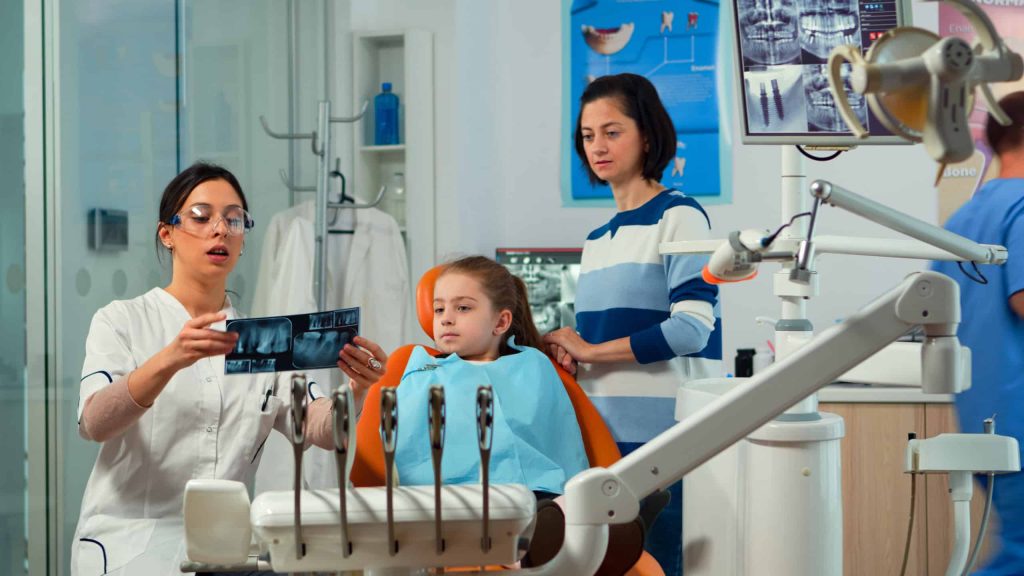
It’s a logistical nightmare to take your child to a specialist in one suburb and then drive across town for your own cleaning. Multi-service clinics are simply more practical for busy families. When a clinic handles everything from preventive care and children’s dentistry to cosmetic treatments and root canals in-house, it saves you time and reduces the need for external referrals.
Referrals often mean new paperwork, new locations, and new faces—all of which increase the likelihood of someone skipping an appointment. This is why many families look for long-term providers like https://macquariedentalcare.com.au/ that can adjust treatment plans as children grow, transitioning them from infant oral health to teenage preventive care without the need for outside transfers.
Check Experience With Children and Anxious Patients

A child’s first few visits to the dentist set the tone for their entire adult relationship with oral health. If the experience is cold or forced, you might be looking at a lifetime of dental anxiety. You want a dentist who doesn’t just “treat” kids but actually understands pediatric behavior.
Look for signs that the clinic is geared toward comfort rather than just compliance. Do they use gentle language? Is the environment welcoming? A great family dentist will explain procedures to children (and nervous adults) in a way that’s transparent but not terrifying. They might use modern technology that replaces the traditional “scrape and poke” with more comfortable methods. According to the Australian Dental Association, early positive experiences are critical in preventing dental phobias. If a dentist offers sedation options or specialized gentle techniques, it’s a good indicator that they prioritize patient comfort over just getting the job done quickly.
Evaluate Location, Accessibility, and Appointment Flexibility
In this area, location is about more than just a postcode. If you’re coming from Lawson or Weetangera, you need to know that the trip won’t be a headache. Consider the “hidden” time costs: Is there ample free parking, or will you be circling the block with a crying toddler in the back? Is the clinic accessible by public transport if your teenager needs to head there after school?
Appointment flexibility is the other side of the coin. A clinic that only works 9-to-5 is nearly impossible for working parents to visit without burning through annual leave. Check if they offer early morning or late afternoon slots. Emergencies are also a factor. Dental pain rarely happens at a convenient time. Finding a local clinic that prioritizes emergency appointments for their regular patients can save you a lot of stress (and a long night in the ER) when a tooth gets chipped at a weekend sport.
Assess Qualifications, Technology, and Ongoing Training
Trust is built on competence. In Australia, you should ensure your dentist is registered with the Dental Board of Australia and meets the rigorous standards required to practice. But beyond the basic degree, look for signs of ongoing education. The field of dentistry moves fast, and you want a team that stays updated on the latest global best practices.
Modern technology isn’t just about “fancy gadgets”; it directly impacts how much discomfort you feel.
For example, digital X-rays are faster and involve less radiation, while advanced air-polishing systems can make cleanings much more pleasant than the old-school manual scaling. Up-to-date equipment is particularly important for children’s developing teeth, as it allows for more accurate monitoring of growth patterns and earlier detection of issues like overcrowding or misalignment.
Understand Costs, Health Funds, and Treatment Transparency
When a family seeks care, the last thing they want is a financial surprise. Transparency regarding costs is the hallmark of a reputable dentist prior to a procedure. By issuing a treatment plan with precise item codes, they simplify your communication with the health fund.
Speaking of health funds, check which ones the clinic is a preferred provider for, as this can significantly lower your out-of-pocket expenses. For families with children, it’s also worth asking about the Child Dental Benefits Schedule (CDBS). As noted by Services Australia, eligible children can receive up to $1,095 over two calendar years for basic dental services.
Signs You Have Found the Right Dentist for Your Family
Once you’ve done your research and had your first visit, use this mental checklist to see if they’re the right fit for the long haul:
- Comfort Levels: Did your children leave the office feeling proud of themselves rather than scared?
- Proactive Focus: Does the dentist talk about prevention (like fissure sealants or better brushing techniques) rather than just fixing problems?
- Ease of Access: Was it easy to park, and did the appointment time actually work for your schedule?
- Clear Communication: Did you walk out understanding exactly what the next steps are and what they will cost?
- The “Partner” Factor: Do you feel like the clinic is invested in your family’s health, or are you just another number in the waiting room?
If you can answer yes to most of these, you’ve likely found a team that will support your family’s smiles for years to come.
