
You’ve bought the serum your favorite influencer swears by. You’ve tried the “10-step Korean routine” your cousin won’t stop talking about. And yet, your skin still looks the same. Sound familiar?
Well, what works for your friend’s skin might do nothing for yours, or worse, make things worse. This is why choosing the right skin treatment shouldn’t come from a trend or a reel suggestion. Understanding what your skin actually needs should guide the treatment.
Start With Your Skin Type, Not the Trend
Before you book anything, figure out your skin type. This one step changes everything about your treatment plan.
- Oily skin: usually needs oil control and pore care
- Dry skin: needs hydration and barrier repair
- Combination skin: needs balanced care for different zones of the face
- Sensitive skin: needs gentle, fragrance-free approaches
Indian skin has its own quirks. It has more thickness in the dermis layer along with active oil-producing glands. This means issues like oily skin, clogged pores, and dark patches on the face linger long after a pimple heals. So, genetics does play a role here, but you can’t really deny the environmental impact.
Why Pollution and Sun Are Bigger Culprits Than You Think
The pollutants deposit on the skin, causing oxidative stress, resulting in aging and leading to the development of spots. Combined with regular exposure to the strong sunlight, it creates perfect conditions for uneven skin tone and fine lines.
A recent study covering over a thousand women across major Indian cities found that over 80% showed some form of skin discoloration or patchiness, with pigmentation being the most common issue. Melasma alone affects a large share of women between 40 and 65. Dermatologists pointed to sun exposure as the number one trigger, followed by hormonal changes and acne scarring.
So if you’ve been staring at your skin wondering why it looks duller or more uneven than it used to, you’re not imagining it. Urban living genuinely takes a toll.
Common Skin Concerns and What They Actually Need
Everyone’s skin acts up differently, but most complaints fall into a handful of buckets. Here’s how they usually show up, why they happen, and what actually helps:
| Skin Concern | Why It’s Happening | What Actually Helps |
| Acne and breakouts | Skin’s producing excess oil and pores getting clogged | Go easy on exfoliation, keep oil in check, and resist the urge to pick at it |
| Dullness and uneven texture | Dead skin cells piling up, made worse by humidity | A gentle exfoliation routine and enough hydration to keep skin looking alive |
| Pigmentation and dark spots | Sun exposure, inflammation, or hormones affecting melanin production | Daily sun protection, actives like vitamin C, and honestly, just time |
| Fine lines and early aging | Years of sun damage and oxidative stress | Preventive treatments, antioxidants, and sticking to a routine instead of quitting after two weeks |
| Dehydration | Rough weather or a compromised skin barrier that can’t hold onto moisture | Hydrating treatments plus moisturizers built to repair the barrier |
Picking at breakouts only deepens pigmentation, so hands off. It fades slowly, so patience is the key. Fine lines now hit people in their twenties, pushing many toward early, preventive care.
When Basic Skincare Isn’t Enough
Sometimes a good routine at home just isn’t enough to fix stubborn concerns like deep pigmentation, clogged pores, or that overall tired, dull look. This is where advanced facial treatments come in. Unlike a regular parlour facial, it uses medical-grade equipment and is supervised by trained professionals who assess your skin before deciding on a protocol.
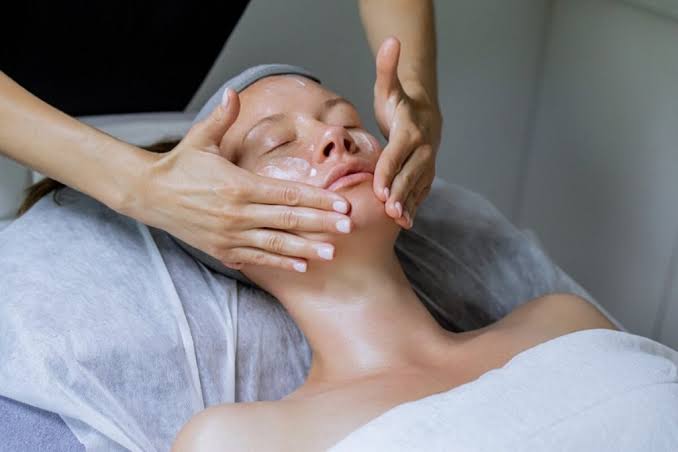
One treatment that’s gained a lot of popularity for good reason is a Hydrafacial treatment in Pune. It combines a few steps into one session:
- Deep cleansing to remove surface impurities
- Gentle exfoliation to clear dead skin cells
- Painless extraction of debris from clogged pores
- Hydration infusion using serums and antioxidants
Results are usually visible right after the first session. It works well for dehydration, clogged pores, dullness, and early signs of aging.
The key difference between a salon facial and a clinical one really comes down to equipment and supervision. A dermatologist-led setup can adjust the approach based on your actual skin condition and how your skin responds to treatment instead of running the same routine on everyone who walks in.
Ask the Right Questions Before You Commit
Before you say yes to any treatment, sit with a few honest questions first:
- What does my skin genuinely need right now?
- Is this backed by real research, done with equipment that’s actually safe?
- Does the person doing this know how to handle my specific skin type or concern?
- Is there downtime involved, and can I actually work that into my schedule?
- Am I picking this because my skin needs it, or because everyone online is talking about it?
Here’s something worth keeping in mind: no treatment works the same way for everyone. Your cousin’s acne might’ve cleared up with something that does nothing for your pigmentation. That serum that smoothed out your friend’s fine lines could just as easily irritate your sensitive skin. That’s really the whole point of getting a proper consultation instead of Googling your way through it or copying whatever worked for someone whose skin is nothing like yours.
The Role of Professional Guidance for Skin Treatment
A lot of people try to self-diagnose their skin issues based on what they read online, and honestly, it often backfires. Layering too many active ingredients, or picking treatments meant for a different skin concern, can leave skin more irritated than before. A quick consultation with a skin specialist can save months of trial and error.
Clinics like Avanti Skin Clinic in Pune take this approach seriously, starting with an actual assessment of your skin before recommending anything. That kind of personalized attention makes a real difference, especially if you’ve tried multiple products with no results and aren’t sure what’s actually wrong.
Building a Routine That Actually Works
Once you’ve identified your main concern and gotten the right in-clinic treatment, don’t stop there. A simple daily routine keeps results going:
- A gentle cleanser suited to your skin type
- Sunscreen every single day, yes, even on cloudy days
- A moisturizer that matches your skin’s needs
- Avoiding overloading your skin with too many products at once
Consistency beats complexity almost every time. Also, give treatments time to show results. Skin renewal takes weeks, not days. Jumping from one treatment to another without giving each one a fair shot is one of the most common mistakes people make.
Final Thoughts
At the end of the day, good skin isn’t about luck or genetics alone. It’s about actually listening to what your skin is telling you. Every breakout, every dull patch, every stubborn dark spot is your skin trying to get your attention for care. And, to see real results, along with patience, you need an expert who actually knows skin.
So, if you’re still wondering where to begin, book an appointment with a dermatologist today. Let them take a proper look and figure out a plan built around what you’re dealing with, rather than a generic routine or advice.
