
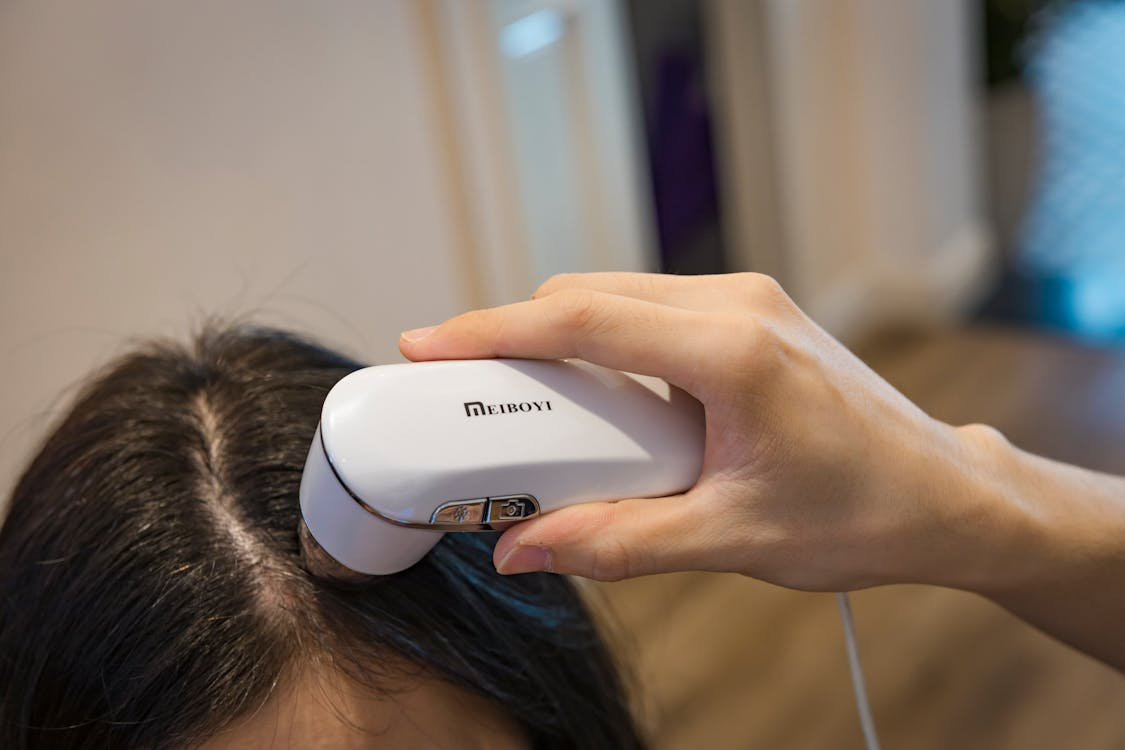
If you walk into any modern bathroom nowadays, you might notice that the countertop looks less like a place for grooming and more like a miniature science lab. Between the LED face masks and the microcurrent wands, we have embraced technology in our daily rituals. Lately, the spotlight has shifted upward. At-home hair therapy, ranging from scalp facials to laser growth helmets, is having a major moment. But before you clear shelf space for another gadget, it is worth asking if this trend actually serves your well-being or just adds another task to your to-do list. Let’s take a look.
The Shift from Repair to Ritual
For a long time, treating hair issues meant clinical appointments or frantic trips to the salon after a bad dye job. Now, the approach is proactive. We aren’t just fixing problems; we are maintaining an ecosystem.
Using a scalp massager or applying a specialized serum isn’t merely about follicle stimulation. It forces a pause in your day. There is a tactile, grounding element to physically caring for yourself that goes beyond vanity. If you can view twenty minutes under a red-light cap as a designated time to meditate or read a chapter of a book, the device becomes a tool for mental decompression, not just hair density.
The Tech Investment
However, integrating these therapies requires a financial commitment. High-quality Low-Level Laser Therapy (LLLT) devices, for example, are significant purchases. This is where the wellness enthusiast needs to become a savvy consumer. You shouldn’t just grab the first device you see on a social media feed without shopping around. Smart shoppers know that high-tech beauty requires high-tech savings strategies. For example, the team at Cybernews has discovered three different iRestore coupon codes you can use for red light therapy devices that entitle you to discounts on bundles or even free gifts. Finding a discount on a premium laser helmet can make the difference between a stressful splurge and a calculated investment in your confidence.
Consistency vs. Convenience
The biggest hurdle with at-home therapy is consistency. These treatments rarely offer instant gratification. They demand patience, often requiring months of regular use before showing visible results.
Ask yourself how you handle routine. If you are the type of person who finds comfort in a nightly regimen, adding a scalp treatment will likely feel rewarding. It reinforces a sense of discipline and self-care. On the other hand, if your current routine is already a race against the clock, adding a twenty-minute session might just create guilt when you inevitably skip a few days.
Hair therapy belongs in your wellness routine only if it brings you a sense of control and ease. If the process stresses you out or strains your budget, it defeats the purpose of “wellness.” But if you can find the right tools, perhaps snagged with a good discount and the right mindset, it can be a powerful way to invest in your future self, one follicle at a time.
