
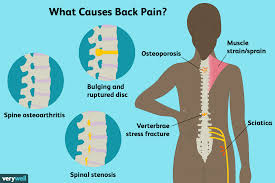
Lower back pain is one of the most common health complaints in the UK. Around 80% of adults experience it at some point in their lives, and for many people it keeps coming back. Whether it started after lifting something heavy, sitting at a desk all day, or simply appeared with no clear cause, the discomfort can make everyday life a real struggle.
The good news is that understanding what is going on in your back is the first step towards feeling better.
Why Does Your Lower Back Hurt?
Your lower back does a huge amount of work. It bears most of your body weight and takes on most of the stress when you lift or carry things, which makes it especially vulnerable to injury and wear and tear.
Some of the most common causes include:
- Muscle strain from lifting awkwardly or twisting suddenly
- Disc problems, where the cushioning between your spinal bones bulges or wears down
- Arthritis, which causes the joints in your spine to become inflamed over time
- Poor posture, especially from prolonged sitting
Back pain is considered chronic when it lasts for more than 12 weeks. If yours has been going on that long, it is worth taking it more seriously and exploring your options.
Natural Ways to Manage Lower Back Pain
Many people find genuine relief through simple, consistent habits rather than medication alone. Here are some evidence-backed approaches worth trying:
1. Keep Moving
It might feel counterintuitive, but rest is not always the answer. Walking, swimming, and other low-impact activities can strengthen your back and support recovery. Gentle movement keeps the muscles around your spine active and can reduce stiffness.
2. Strengthen Your Core
A strong core is essential for supporting the spine. Simple exercises like planks, bridges, and pelvic tilts can be built into a daily routine without any equipment.
3. Check Your Posture
Sitting and standing straight keeps your spine in alignment and reduces pressure in the lower back. If you work at a desk, try to get up and walk around for a few minutes every hour.
4. Try Heat or Ice
Ice can help reduce inflammation and swelling, while heat can relax tight or stiff muscles. Experiment with both for short periods to see which works best for you.
5. Watch Your Weight
Carrying extra weight puts additional mechanical force onto the spine, so even modest weight loss can meaningfully reduce back pain.
When Self-Care Is Not Enough
For some people, lower back pain goes beyond what lifestyle changes can fix. If you have been living with persistent pain and standard treatments have not worked well for you, it may be worth looking into clinical research as an option.
People taking opioid pain relief medication and experiencing side effects may be eligible to take part in research studies exploring new approaches to treatment. You can find out more about back pain clinical trials uk and whether you might qualify.
The Bottom Line
Lower back pain affects millions of people, but it does not have to be a permanent part of your life. Small daily habits, from staying active to improving your posture and building core strength, can make a real difference over time.
If you have tried the usual routes without success, exploring back pain clinical trials uk could open up access to new treatments that are not yet widely available. Research participants are not paid, but travel expenses are covered, and taking part directly contributes to improving care for everyone living with this condition.
