
The idea of facial rejuvenation has changed considerably in recent years. For many people, improving skin firmness or facial definition no longer automatically means considering surgery.
Modern aesthetic treatments can address concerns such as mild skin laxity, changes around the jawline, loss of facial definition and areas of localised fullness while allowing patients to choose an approach that better matches their goals and tolerance for downtime.
That does not mean every treatment is right for every person.
The important part is understanding what you actually want to improve, what different technologies are designed to do, and whether the expected outcome is realistic for your skin and facial structure.
If you are considering non-surgical or minimally invasive facial rejuvenation in London, here are the main points worth understanding before deciding on a treatment.
Start With the Concern, Not the Treatment Name
One of the easiest mistakes in aesthetics is choosing a procedure because it is popular rather than because it addresses the actual concern.
Two people of the same age can have completely different priorities.
One may be concerned about:
- Mildly loose skin around the lower face
- Reduced jawline definition
- Fullness beneath the chin
- Fine lines and skin texture
- Loss of facial volume
- Changes around the eyes
Another person may be happy with skin quality but want more definition through the chin or jaw.
Those concerns are not interchangeable, so they should not automatically receive the same treatment.
A good consultation starts by identifying what has changed and what kind of improvement would make the greatest difference.
Only then should the practitioner discuss which treatment—or combination of treatments—is appropriate.
Skin Tightening and Volume Replacement Are Different Goals
This distinction is particularly important.
Dermal fillers are generally used when additional volume, structural support or contouring is required. Energy-based treatments work differently and may instead focus on skin quality, tissue tightening or collagen stimulation.
That means someone with reduced facial volume may benefit from a completely different approach from someone whose main concern is laxity around the jawline.
Sometimes both issues exist together.
This is why simply asking for “a facelift without surgery” can be too broad. The practitioner needs to determine whether the visual change comes primarily from volume loss, skin laxity, localised fat, facial proportions or a combination of factors.
Treating the wrong problem can produce an outcome that technically looks different without actually addressing what bothered the patient in the first place.
Why the Jawline Is Such a Common Treatment Area
Changes around the lower face are among the most noticeable signs of facial ageing.
The jawline can gradually look less defined because of several factors, including changes in skin elasticity, facial volume and tissue distribution.
Submental fullness beneath the chin can also soften the transition between the face and neck.
For someone who mainly wants better lower-face definition, adding volume is not always the obvious answer.
This is one reason treatments that focus on tightening and contouring have attracted increasing interest.
The right approach depends on how much laxity is present, whether localised fat contributes to the concern and what kind of result the patient expects.
Where Endolaser Fits Into Modern Facial Rejuvenation
Endolaser is one of the minimally invasive options designed for people looking to address concerns such as skin laxity, jawline definition and selected areas of localised fat.
At Deep Aesthetics, the technology uses fine optical fibres beneath the skin to deliver controlled laser energy.
The clinic’s system combines two wavelengths—980nm and 1470nm—with the aim of addressing both skin tightening and underlying tissue where appropriate.
For patients researching endolaser treatment London, the important thing to understand is that it is not simply a surface facial treatment. It is designed to work beneath the skin and therefore requires proper assessment, local anaesthetic, controlled treatment and appropriate aftercare.
Depending on the treatment plan, Deep Aesthetics also uses integrated lipolysis and suction capabilities when localised fat reduction forms part of the intended result.
That makes consultation particularly important because not every person seeking a sharper jawline needs the same combination of tightening and fat reduction.
How Does Endolaser Work?
The treatment uses a fine optical fibre introduced beneath the skin through small entry points.
Laser energy is then delivered to the targeted tissue.
The controlled thermal effect is intended to stimulate collagen remodelling and improve tissue firmness. Where appropriate, the treatment can also target localised fat.
At Deep Aesthetics, the system uses:
980nm Wavelength
This is used as part of the clinic’s approach to collagen stimulation and skin tightening.
1470nm Wavelength
This wavelength is used where treatment involves water-rich and adipose tissue.
Integrated Lipolysis
Where suitable, laser energy can be used to target localised fat deposits.
Integrated Suction
In selected cases where fat has been treated, the system can also allow liquefied fat to be gently aspirated.
The exact treatment plan depends on the area being treated and the patient’s individual anatomy.
Which Areas Can Be Treated?
Facial ageing rarely happens in one isolated point.
For that reason, assessment normally considers how neighbouring areas relate to one another.
Endolaser may be considered for areas including:
- Jawline
- Jowls
- Neck
- Submental area beneath the chin
- Selected facial areas
- Appropriate areas of the body
A treatment should not be planned simply by choosing an area from a menu.
The relationship between the face, jawline and neck matters.
For example, reducing fullness beneath the chin without considering skin laxity may not achieve the same result as a plan that evaluates both concerns together.
Who Might Consider a Minimally Invasive Tightening Treatment?
Someone may begin exploring treatments such as Endolaser when they have mild to moderate skin laxity but are not looking for a surgical facelift.
Common goals may include:
- Creating a firmer appearance
- Improving lower-face definition
- Reducing the appearance of jowls
- Improving the transition between the jaw and neck
- Addressing suitable areas of localised fullness
- Choosing an option with less downtime than major surgery
However, being interested in the treatment does not automatically mean being suitable for it.
A consultation should consider general health, medical history, skin condition, anatomy and realistic treatment goals.
There will also be people whose degree of laxity or desired result makes another approach more appropriate.
What Happens During a Consultation?
The consultation is one of the most important stages of any aesthetic procedure.
It should be more than a quick conversation about the treatment the patient already has in mind.
A proper assessment should explore:
- What specifically bothers the patient
- When they first noticed the change
- Previous aesthetic procedures
- Medical history
- Current medication where relevant
- Skin and tissue condition
- Facial proportions
- Amount and location of any localised fullness
- Expected result
- Acceptable level of downtime
This is also the opportunity to discuss what the treatment cannot reasonably achieve.
Good aesthetic planning is as much about deciding what not to treat as it is about choosing what to do.
What Should You Expect After Endolaser?
Because Endolaser is minimally invasive rather than purely topical, some recovery should be expected.
Deep Aesthetics advises patients that swelling can be most noticeable during the first few days and then gradually improve. Mild bruising can occur, while temporary numbness or tingling may also be experienced as the treated tissues recover.
Patients should therefore avoid choosing the procedure simply because the phrase “non-surgical” sounds as though no recovery is involved.
Non-surgical and minimally invasive treatments can still have meaningful aftercare requirements.
Planning the appointment around work, events and other commitments can make the experience much easier.
Results Are Not Always Immediate
Some aesthetic procedures produce an obvious visual change straight away. Collagen-based treatments work differently.
While an initial improvement may be noticeable, tissue remodelling continues after treatment.
Deep Aesthetics explains that Endolaser results continue developing over approximately three to six months as collagen remodelling progresses.
This is an important expectation to establish beforehand.
Judging the final result too soon can lead patients to think additional treatment is required before the original treatment has had time to develop fully.
Follow-up should therefore form part of the treatment journey.
Why Practitioner Assessment Matters More Than Technology Alone
Aesthetic devices often receive much of the attention online.
Patients compare wavelengths, machine names, treatment methods and before-and-after images.
Technology matters, but it is only part of the outcome.
The practitioner still needs to decide:
- Where treatment should be performed
- How much correction is appropriate
- Whether fat reduction is necessary
- Which areas should be left untreated
- Whether another procedure would better address the concern
- How the treatment fits the patient’s overall facial proportions
Two people can receive the same procedure and require very different treatment plans.
That is why choosing an experienced practitioner and clinic is at least as important as choosing the technology itself.
Natural Results Usually Come From Restraint
More treatment does not automatically mean a better result.
One of the goals of modern aesthetics is often to make a patient look refreshed or better balanced without making the treatment itself obvious.
That requires restraint.
When facial proportions are evaluated carefully, even relatively small changes can affect how defined or balanced the face appears.
Conversely, treating every perceived imperfection independently can produce a result that loses harmony.
A strong treatment plan therefore considers the face as a whole rather than chasing one isolated feature at a time.
Not Every Concern Needs Endolaser
One sign of a thoughtful consultation is being offered alternatives when they make more sense.
Different aesthetic concerns may be better addressed through approaches such as:
- Dermal fillers
- Non-surgical facial contouring
- Skin treatments
- Other energy-based technologies
- Combination treatment plans
- No treatment at all where intervention is unnecessary
Someone primarily concerned about volume loss, for example, may require a different strategy from a patient whose main issue is loose lower-face skin.
Likewise, someone looking for changes beyond what minimally invasive treatments can realistically achieve should be given clear expectations rather than an exaggerated promise.
How to Choose an Aesthetic Clinic
Patients often spend a great deal of time comparing individual procedures but much less time evaluating the clinic where the treatment will actually take place.
Both matter.
When researching an aesthetics clinic London, consider factors beyond promotional before-and-after photographs.
Look at the Range of Treatments
A clinic offering multiple treatment approaches can assess the concern without being limited to one procedure.
Deep Aesthetics, for example, provides treatments across dermal fillers, facial contouring, energy-based devices, skin treatments and other non-surgical aesthetic procedures.
Ask Who Will Perform the Procedure
Patients should know who is responsible for assessment and treatment, and what experience they have with the procedure being considered.
Expect an Individual Treatment Plan
Facial proportions differ from person to person.
A consultation should therefore result in a tailored recommendation rather than the same package being suggested to every patient.
Ask About Recovery
Make sure you understand swelling, bruising, aftercare and when normal activities can realistically resume.
Discuss Cost Before Treatment
A reputable consultation should make the planned treatment and pricing clear before the procedure begins.
Look for Follow-Up Support
Aftercare is part of treatment, particularly for procedures that involve a healing and collagen-remodelling period.
What Questions Should You Ask Before Booking?
A consultation is easier when you arrive with specific questions.
Consider asking:
- What is actually causing the concern I can see?
- Is this treatment the best option for that problem?
- What improvement is realistic for my anatomy?
- How much downtime should I expect?
- What are the possible side effects and risks?
- Who will perform the treatment?
- How many sessions are normally considered?
- When should I expect to judge the final result?
- What aftercare will I need?
- What alternatives should I consider?
The quality of the answers can tell you a great deal about the quality of the consultation.
You should leave understanding the plan rather than simply knowing the name of the procedure.
Think About the Result You Want to Preserve
Aesthetic treatment should ideally work with the features you already have.
For many patients, the goal is not to look fundamentally different.
They may simply want:
- A cleaner jawline
- Firmer-looking skin
- Better facial balance
- Less lower-face heaviness
- A refreshed appearance
Communicating those goals clearly helps the practitioner understand how conservative or noticeable you want the change to be.
Bringing examples can sometimes help, but expecting your face to reproduce someone else’s result is rarely realistic because anatomy differs considerably between patients.
Why Timing Matters
If you are considering a procedure ahead of a wedding, holiday, work event or major social occasion, do not plan solely around the treatment date.
Allow for recovery and for the result to develop.
A procedure involving swelling or bruising should not be booked immediately before an important event.
Likewise, a treatment whose result develops progressively over several months needs to be planned well in advance if you have a particular date in mind.
Discussing your timeline during consultation allows the practitioner to advise whether the proposed treatment fits it.
Deep Aesthetics in London
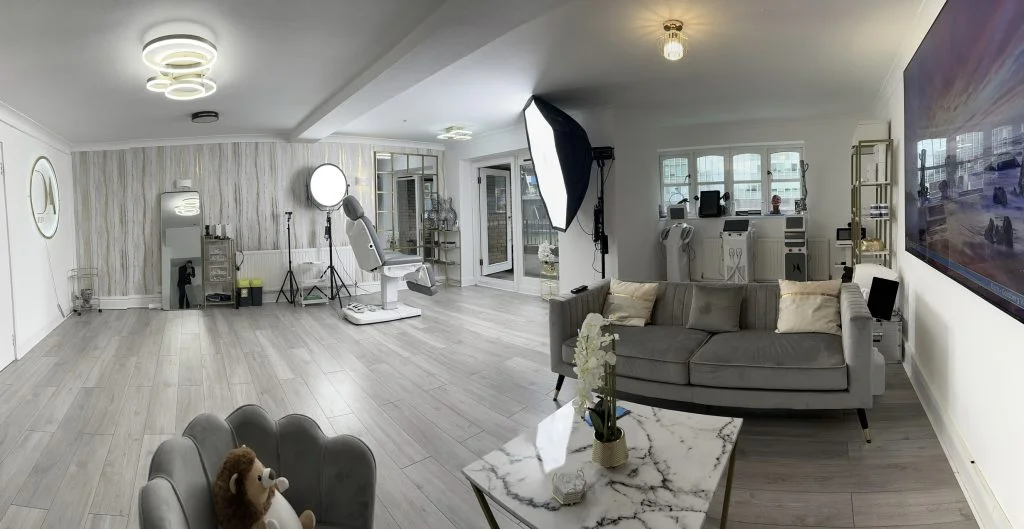
Deep Aesthetics provides advanced aesthetic treatments from its London clinic in Canary Wharf as well as its Birmingham location.
Its treatment range includes facial aesthetics, dermal fillers, non-surgical facial rejuvenation, body contouring, energy-based procedures and skin treatments.
For Endolaser specifically, the clinic uses a dual-wavelength 980nm and 1470nm system with lipolysis and integrated suction capabilities where clinically appropriate for the treatment plan.
Treatment suitability is assessed individually rather than assumed from the patient’s preferred procedure.
Final Thoughts
Choosing a facial rejuvenation treatment should begin with understanding the problem you want to solve rather than choosing whichever procedure is currently receiving the most attention.
Skin laxity, localised fat, volume loss and facial proportions can produce similar-looking concerns while requiring very different approaches.
Endolaser is one minimally invasive option that may be considered for suitable patients seeking skin tightening, improved jawline or neck definition and, where appropriate, treatment of localised fat.
But the technology alone does not determine whether the treatment is right for you.
The quality of the assessment, practitioner experience, realistic expectations and aftercare all matter.
If you are considering treatment in London, begin with a consultation where your facial structure, skin condition, goals and available options can be assessed together.
That gives you a much better foundation for choosing a treatment that enhances your existing features rather than simply following a trend.
Considering a Consultation?
Deep Aesthetics offers consultations for patients who want to understand which facial or body treatment may be most appropriate for their concerns.
Whether you are exploring Endolaser, facial contouring, dermal fillers or another non-surgical option, the first step is an individual assessment and a clear discussion about the result you are hoping to achieve.
The London clinic is located in Canary Wharf, with treatments also available through the Birmingham clinic.
Start with a consultation, understand your options and choose a treatment plan based on your own anatomy and goals rather than someone else’s result.
To learn more about penile girth enhancement, non-surgical BBL treatments or other personalised aesthetic procedures, contact Deep Aesthetics.
Email: info@deepaesthetics.co.uk
General enquiries: +44 7568 193473
Clinic numbers: +44 7476 559188 or +44 7496 408112
London Clinic
Suite 5 Scott House, Admirals Way, London E14 9UG
Birmingham Clinic
King Edwards Wharf, Sheepcote Street, Birmingham B16 8AB
