
Transporting vehicles requires careful consideration of the type of trailer used, as it directly impacts the safety and condition of the vehicles in transit. For those in the automotive and construction industries, choosing between Open Car Trailers and enclosed trailers involves weighing protection against cost and practicality. This article delves into the core differences between these two types of trailers, examines the protection they offer, and helps you make an informed decision based on your specific needs.
Open Car Trailers vs Enclosed Trailers: A Comparative Analysis
Open Car Trailers are a popular choice due to their affordability and ease of use, particularly for short-distance or local vehicle transport. They are designed with a flatbed structure, allowing easy loading and unloading of vehicles. However, this design exposes vehicles to weather conditions and road debris. Despite these downsides, Open Car Trailers are often sufficient for vehicles that do not require pristine condition upon arrival. For instance, construction equipment transported to a job site may not need the same level of protection as a classic car.
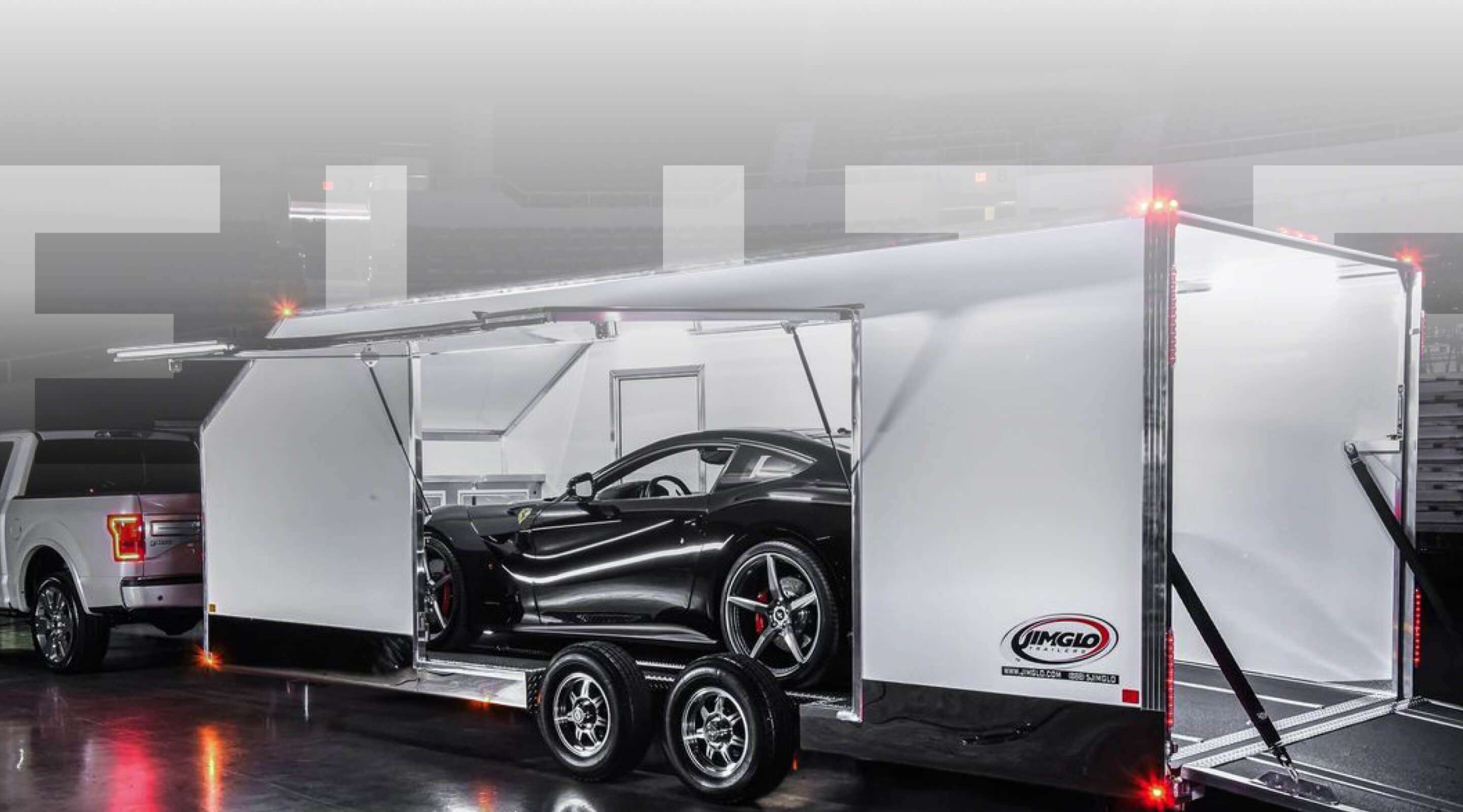
In contrast, enclosed trailers offer a shell-like structure that completely surrounds the vehicle, providing superior protection from environmental elements and theft. The enclosed design is ideal for transporting high-value or sensitive vehicles. Using enclosed trailers can be compared to following stringent OSHA Standards to ensure workplace safety — both prioritize minimizing exposure to potential hazards.
Key Differences in Protection Offered by Open and Enclosed Trailers
The key distinction in protection between open and enclosed trailers lies in their design. Open trailers expose vehicles to external elements such as rain, snow, and debris, which could lead to potential damage, especially during long hauls. However, they offer better ventilation, which can be beneficial for certain types of construction equipment that require airflow.
Enclosed trailers, on the other hand, offer a controlled environment, shielding vehicles from harsh weather and vandalism. This makes them a preferred choice for transporting valuable cars, much like how BIM Software provides a controlled and detailed view of construction projects, enhancing precision and protection of assets.
Factors Influencing Trailer Choice for Vehicle Transport
Several factors should be considered when choosing between an open or enclosed trailer. The vehicle’s value and the distance of transport can heavily influence this decision. For instance, a luxury car with a high VIN (Vehicle Identification Number) Compliance requirement may benefit from the comprehensive protection of an enclosed trailer to maintain its value and condition.
Load-bearing capacity is another critical factor. Open Car Trailers often have a higher load capacity, which can be advantageous when transporting multiple vehicles or heavy machinery. This is akin to ensuring the proper HVAC Duct Sizing in a building project — both require consideration of capacity to function effectively.
Additionally, the frequency of use should be evaluated. If a trailer is used frequently, the initial higher investment in an enclosed trailer might be justified due to the reduced risk of damage over time, similar to using AutoCAD Electrical for complex electrical system designs to ensure long-term reliability.
Cost Considerations and Long-Term Investment in Trailers
Cost is a major factor in deciding between open and enclosed trailers. Open Car Trailers typically have a lower upfront cost and require less maintenance, making them a cost-effective choice for many businesses. They are especially practical for transporting vehicles that do not require extensive protection, such as construction equipment being moved to a site.
On the other hand, enclosed trailers demand a higher initial investment but offer greater protection, potentially reducing repair costs from damage during transit. Investing in an enclosed trailer is similar to calibrating a torque wrench to ensure precise operation — it may cost more initially, but it pays off in the long run by preserving the integrity of the transported vehicles.
Ultimately, the choice between Open Car Trailers and enclosed trailers depends on the specific needs and priorities of your business. For those looking to transport vehicles without the need for extensive protection, an Open Car Trailers option might suffice. Conversely, enclosed trailers offer peace of mind for those transporting high-value vehicles over long distances.
Conclusion
In deciding between open and enclosed trailers, consider the level of protection your vehicles require, the frequency and distance of transport, and your budget. Each trailer type offers unique advantages; open trailers are cost-effective and practical for less sensitive cargo, while enclosed trailers provide superior protection for high-value vehicles. Making the right choice ensures the safe and efficient transport of vehicles, aligning with your business needs and priorities.
