
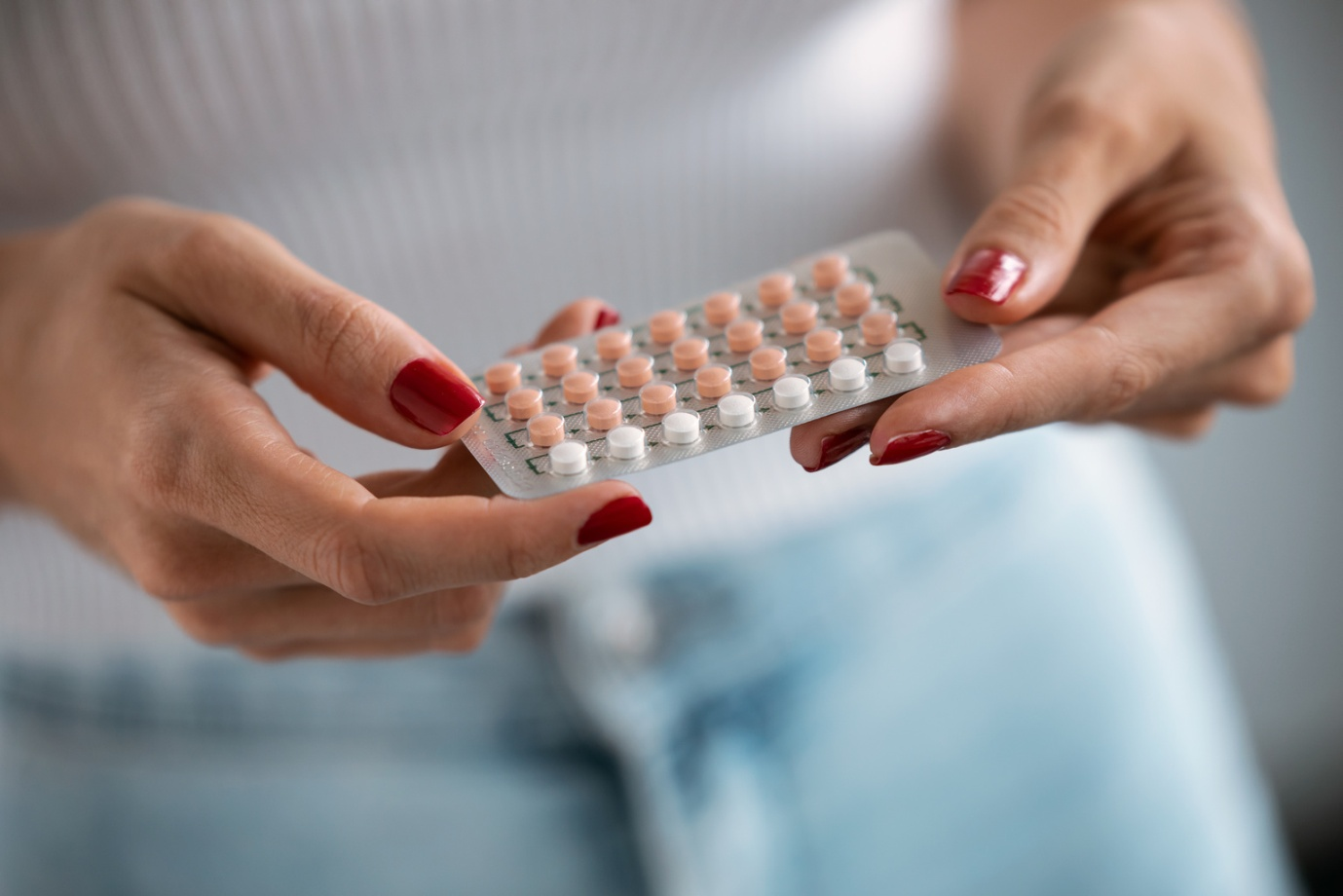
Hormonal health is one of the key contributors to the overall wellbeing that affects the mood, metabolism, reproduction and skin condition, as well as energy levels. To many, contraceptive pills are not only effective in pregnancy prevention, but also have therapeutic effects (control of menstrual cycles, acne, and treatment of some diseases: polycystic ovary syndrome or PCOS, etc.). Nevertheless, to maximize hormonal health, there should be a decision-making that is informed and that is balanced based on medical facts and whole person awareness.
The Effect of the Contraceptive Pill on Hormones
The vast majority of birth control pills include artificial forms of estrogen and progesterone, which are hormones that the human body produces naturally. These hormones inhibit ovulation, change cervical mucus, and alter the uterine lining, making pregnancy less likely. Designed with the principle of care for every woman in mind, modern contraceptive options aim to provide safe, personalized, and reliable reproductive health support.
The World Health Organization states that hormonal contraceptives are safe and effective in most users when used in proper prescriptions. Nevertheless, personal reactions are different and they depend on genetics, lifestyle, pre-existing conditions and stress levels. The hormones are working as a part of a complex system, and the introduction of alien hormones can interfere with other physiological processes.
The Relationship of Hormonal Balance to the Wellbeing
Medication alone does not dictate hormonal balance. Hormone regulation is affected by sleep quality, nutrition, physical activity, stress management, and gut health. For example:
The chronic stress increases cortisol which is capable of interfering with reproductive hormones.
Hormone production may be impacted by nutrient deficiency especially magnesium, vitamin D and omega-3 fatty acids.
Inadequate sleep may disrupt endocrine cycles and rest
With a holistic method, contraceptives use is not a solution but a component of a larger wellness program. Hormonal resilience can be enhanced by means of supporting the body with wholesome nutrition, exercise, and reduced stress.
Assessing Personal Health Factors
Personal health history and the consultation of a qualified healthcare professional is the most important consideration before deciding to purchase the contraceptive pill. The aspects that can affect suitability include:
- History of blood clotting disorders
- Migraines with aura
- Cardiovascular health
- Status of smoking, particularly above 35 years.
- Pre-existing hormonal problems.
The NHS points out that the choice to buy the contraceptive pill should be personal. Things that seem to be working well with one individual might not always be perfect with another and things might need adjustments as they go along.
Balancing Pros and Cons
Although most users report a positive experience, including cycle regulation and lessened menstrual discomfort, others might experience short-term side effects. These may involve nausea, breast tenderness, mood changes, or breakthrough bleeding, especially in the first few months as the body adjusts.
Notably, studies indicate that a number of side effects subside with time. Observing body changes and having an honest conversation with a medical professional can aid in keeping the selected approach consistent with your requirements.
The Significance of Trustworthy Data and Conscientious Use
Availability of contraceptives in credible and regulated channels is crucial to safety and informed choice. Reliable healthcare professionals, pharmacies, and authorized online solutions, like contraceptive-pill.co.uk, may give advice, product details, and access to licensed medicines and promote proper medical care.
Nevertheless, no decision regarding contraceptives must be made alone. Education, medical consultation, and self-awareness are basic.
Finding a middle ground: Hormonal Health Beyond Medication
Regardless of whether you are on hormonal birth control or not, it is always worth taking care of your endocrine system in a natural way. Prioritize:
- Whole, nutrient-dense foods
- Consistent sleep patterns
- Mindfulness is a practice of stress management.
- Regular physical activity
- Routine health check-ups
These base practices aid in the preservation of hormone balance and long-term wellbeing.
Final Thoughts
The idea of maximization of hormonal health requires careful thinking, credible facts, and holistic thinking. When taken properly, contraceptive pills may be a useful tool, but it is most effective in a complex strategy that takes into account the complexity of the body. Knowledgeable decisions, informed by the medical field and facilitated by healthy lifestyle habits, allow people to take control over their reproductive health and well-being.
