
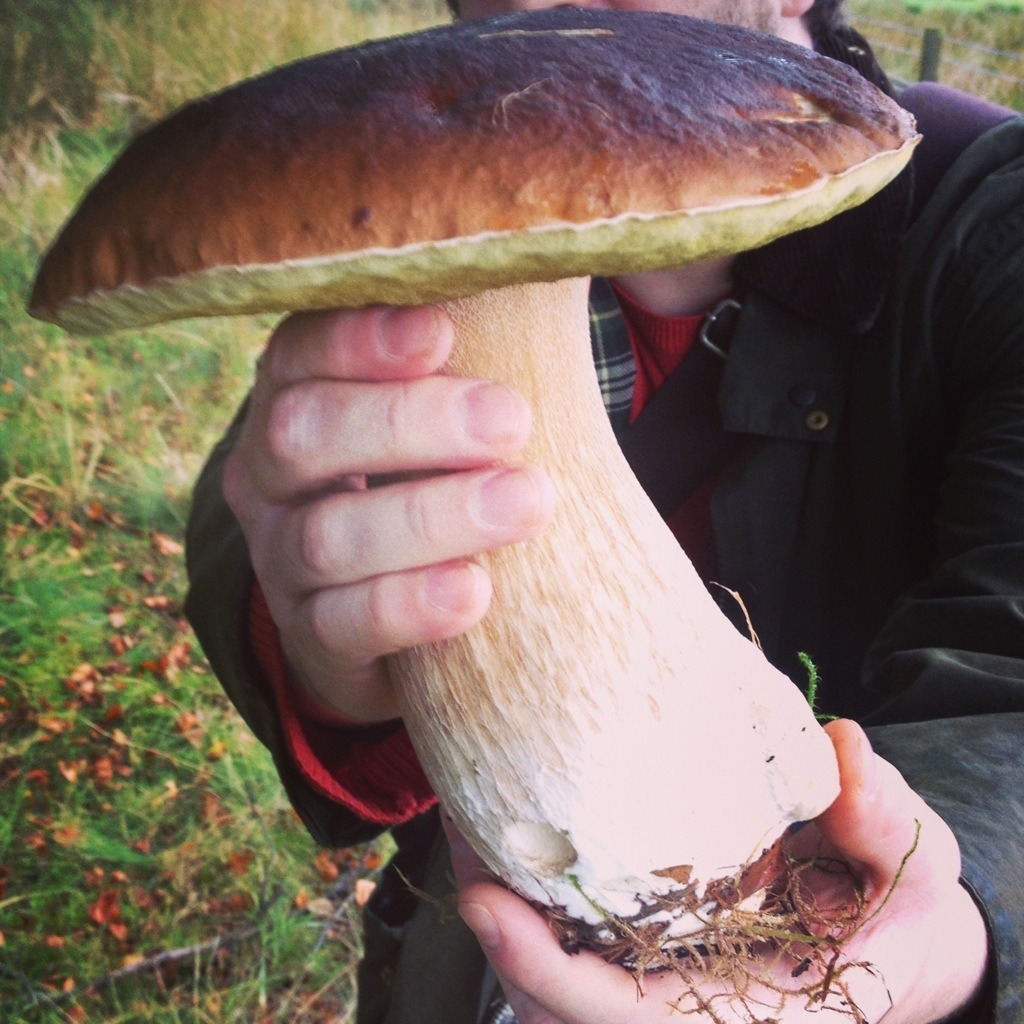
Porcini mushrooms have long been appreciated for their rich flavour and culinary versatility, but they also deserve recognition for their nutritional value. As interest in whole foods and plant-based eating continues to grow, these wild edible mushrooms are attracting attention from home cooks, nutrition professionals, and health-conscious consumers alike. Their naturally savoury taste, combined with an impressive nutritional profile, makes them a valuable addition to many balanced diets.
Unlike many cultivated mushroom varieties, porcini mushrooms (Boletus edulis) grow naturally in forest ecosystems, where they develop a unique relationship with the roots of living trees. This natural growth cycle contributes to both their distinctive flavour and their limited seasonal availability. Because commercial cultivation remains extremely difficult, most premium porcini mushrooms available worldwide are responsibly wild harvested before being carefully dried to preserve their quality.
From a nutritional perspective, porcini mushrooms provide dietary fibre, essential minerals, B vitamins, and naturally occurring antioxidant compounds while remaining low in fat and calories. Research on edible mushrooms has also highlighted bioactive compounds such as ergothioneine and beta-glucans, which continue to be studied for their role in supporting a healthy dietary pattern. While no single food provides every nutrient the body needs, incorporating a variety of nutrient-dense foods—including mushrooms—can contribute to long-term dietary quality.
Porcini mushrooms also align well with eating patterns widely recognised for supporting overall health, including Mediterranean-style and predominantly plant-based diets. Their naturally rich umami flavour can enhance meals without relying heavily on excess salt or highly processed flavourings, making them an appealing ingredient for those seeking wholesome, flavourful cooking.
Whether you are interested in learning about porcini mushroom nutrition, understanding their place in a balanced lifestyle, selecting high-quality mushrooms, or preparing them at home, this guide brings together current knowledge from nutrition science, sustainable food practices, and practical culinary experience. The aim is to provide reliable, evidence-based information that helps readers enjoy porcini mushrooms as part of a varied and healthy diet.
What Are Porcini Mushrooms?
Porcini mushrooms (Boletus edulis) are among the most highly regarded edible mushrooms in the world. They belong to the bolete family, a group distinguished by a dense layer of tiny pores beneath the cap rather than the thin gills commonly seen on many supermarket mushrooms. This characteristic makes porcini easy to identify and contributes to their firm texture after cooking.
These mushrooms grow naturally in temperate forests throughout Europe, North America, and parts of Asia. Instead of growing independently, porcini develop an underground partnership with trees such as oak, pine, spruce, chestnut, fir, and beech. This mutually beneficial relationship, known as a mycorrhizal association, allows both the tree and the fungus to exchange nutrients while supporting healthy forest ecosystems.
Because this complex ecological relationship has not been successfully replicated on a commercial scale, nearly all premium porcini mushrooms are still harvested from the wild. Responsible harvesting practices help protect both fungal populations and the forests in which they grow.
Fresh porcini mushrooms are recognised by several distinctive characteristics:
- Thick white stems
- Smooth chestnut-brown caps
- Dense, white flesh
- A mild nutty aroma when fresh
- A rich earthy fragrance after drying
Unlike many cultivated mushrooms that soften considerably during cooking, porcini retain a pleasantly firm texture. Their naturally savoury flavour makes them suitable for a wide range of dishes, from soups and grain bowls to vegetable-based meals and traditional pasta recipes.
Drying further concentrates their flavour while extending shelf life, allowing porcini mushrooms to remain available throughout the year. Once rehydrated, they recover much of their original texture and produce an intensely aromatic soaking liquid that can enhance stocks, soups, and sauces.
Beyond their culinary appeal, porcini mushrooms are increasingly recognised as a nutrient-dense whole food that complements healthy eating patterns centred on minimally processed ingredients.
Nutritional Profile of Porcini Mushrooms
Porcini mushrooms provide far more than their distinctive flavour. Like many edible mushrooms, they contribute valuable vitamins, minerals, dietary fibre, and naturally occurring bioactive compounds while remaining relatively low in calories and fat.
According to the USDA FoodData Central, porcini mushrooms contain several nutrients that support a balanced diet, including:
- Dietary fibre
- Potassium
- Copper
- Selenium
- Phosphorus
- Riboflavin (Vitamin B2)
- Niacin (Vitamin B3)
- Pantothenic acid (Vitamin B5)
They also contain modest amounts of plant protein and naturally occurring amino acids that contribute to their nutritional value.
One advantage of dried porcini mushrooms is that dehydration removes water while concentrating many nutrients by weight. Although serving sizes remain relatively small because of their concentrated flavour, dried porcini can make a meaningful nutritional contribution when incorporated into soups, stews, whole grains, and vegetable-based meals.
Porcini mushrooms are also naturally free of cholesterol and contain very little saturated fat, making them compatible with dietary patterns that emphasise heart-conscious food choices.
Evidence-Based Health Benefits of Porcini Mushrooms
Although porcini mushrooms are best known as a gourmet ingredient, growing scientific interest in edible mushrooms has highlighted their nutritional potential within healthy dietary patterns.
Current research focuses on the contribution of mushrooms to overall diet quality rather than suggesting they function as medicines. This distinction is important. No single food can prevent or treat disease, but nutrient-rich foods consumed as part of a balanced eating pattern can support overall health.
A Source of Dietary Fibre
Porcini mushrooms contribute dietary fibre, an important nutrient that many adults consume in insufficient amounts. Fibre supports normal digestive function, contributes to feelings of fullness after meals, and plays an important role in maintaining a balanced diet.
Including fibre-rich foods from a variety of plant sources—including vegetables, legumes, whole grains, fruits, nuts, and edible mushrooms—aligns with widely accepted dietary recommendations.
Naturally Occurring Antioxidant Compounds
Edible mushrooms contain a variety of naturally occurring antioxidant compounds that help protect their own cellular structures from environmental stress.
Researchers have identified compounds including polyphenols and ergothioneine, a naturally occurring amino acid with antioxidant properties that is found in particularly high concentrations in mushrooms. Ergothioneine continues to be the subject of nutritional research because of its unique biological characteristics, although scientists continue to study its role in human health.
Beta-Glucans and Mushroom Nutrition
Like many edible fungi, porcini mushrooms contain naturally occurring beta-glucans, a type of soluble dietary fibre found in the cell walls of mushrooms.
Beta-glucans have been widely studied within nutrition science for their role as components of healthy diets. However, the amount and composition of beta-glucans vary among different mushroom species, and current evidence does not support using porcini mushrooms as a medical treatment.
Instead, they should be viewed as one of many nutritious plant foods that contribute to overall dietary diversity.
Essential Minerals for Everyday Health
Porcini mushrooms provide several minerals that support normal physiological functions.
These include:
- Potassium, which contributes to normal muscle and nerve function.
- Copper, involved in energy metabolism and connective tissue formation.
- Phosphorus, important for healthy bones and teeth.
- Selenium, a trace mineral that supports normal cellular processes.
Obtaining these nutrients through a varied diet remains the most widely recommended approach to healthy eating.
B Vitamins That Support Energy Metabolism
Porcini mushrooms naturally contain several B vitamins, including riboflavin, niacin, and pantothenic acid.
These vitamins help the body convert food into usable energy and contribute to numerous metabolic processes. Because B vitamins are found across a wide variety of whole foods, porcini mushrooms can serve as one complementary source within an overall balanced dietary pattern.
Supporting a Whole-Food Lifestyle
Organisations such as the European Food Information Council (EUFIC) and the Food and Agriculture Organisation (FAO) encourage dietary patterns that emphasise minimally processed foods, plant diversity, and nutritional balance.
Porcini mushrooms fit naturally within this approach. Their rich umami flavour can enhance vegetables, legumes, whole grains, and lean protein dishes without relying heavily on processed ingredients, making them an excellent addition to Mediterranean-style and plant-forward eating patterns.
How Porcini Mushrooms Fit into a Healthy Diet
Healthy eating is built on variety rather than any single “superfood.” Nutrition experts consistently recommend consuming a wide range of minimally processed foods that provide essential nutrients, dietary fibre, healthy fats, and high-quality protein. Within this approach, porcini mushrooms can serve as a flavourful, nutrient-dense ingredient that complements many balanced meals.
One of the qualities that makes porcini mushrooms particularly valuable is their naturally rich umami flavour. Umami, often described as the fifth basic taste, creates depth and savouriness without requiring large amounts of salt, sugar, or highly processed flavour enhancers. This allows home cooks to prepare satisfying meals while keeping the focus on wholesome ingredients.
Porcini mushrooms pair naturally with foods commonly found in Mediterranean-style and plant-forward eating patterns, including:
- Whole grains such as barley, farro, quinoa, and brown rice
- Legumes including lentils, chickpeas, and beans
- Leafy green vegetables
- Olive oil
- Garlic and onions
- Fresh herbs
- Lean poultry and seafood
- Eggs
- Nuts and seeds
These combinations create meals that are rich in fibre, vitamins, minerals, and plant-based nutrients while offering excellent flavour and texture.
For those reducing their intake of heavily processed foods, porcini mushrooms can also provide a satisfying alternative to artificial flavourings. Their concentrated savoury taste enhances soups, stews, grain bowls, vegetable dishes, and pasta without overwhelming other ingredients.
Because dried porcini mushrooms have an intense flavour, relatively small amounts are often enough to enrich an entire meal. This makes them both economical and practical for everyday cooking.
Fresh vs. Dried Porcini Mushrooms
Both fresh and dried porcini mushrooms offer unique advantages. Choosing between them depends on seasonal availability, the recipe being prepared, and personal preference.
| Feature | Fresh Porcini | Dried Porcini |
| Availability | Seasonal | Available year-round |
| Flavour | Mild, nutty, delicate | Rich, concentrated umami |
| Texture | Firm and meaty | Firm after rehydration |
| Shelf Life | 3–5 days refrigerated | 12–24 months when properly stored |
| Best Uses | Roasting, grilling, sautéing | Soups, risottos, sauces, grain dishes, braises |
| Preparation | Light cleaning only | Rehydrate before use |
Fresh porcini mushrooms are prized for their delicate woodland aroma and are best prepared using simple cooking methods that allow their natural flavour to shine. Light sautéing with olive oil, garlic, and fresh herbs is often sufficient.
Dried porcini mushrooms, however, undergo a remarkable transformation during dehydration. Removing moisture concentrates both flavour and aroma while preserving many nutrients. After soaking in warm water for 20 to 30 minutes, they regain much of their original texture and produce a deeply aromatic soaking liquid that can be incorporated into stocks, soups, and sauces.
Many experienced cooks actually prefer dried porcini because they deliver consistent flavour throughout the year and require only small quantities to enrich an entire recipe.
Buying High-Quality Porcini Mushrooms
Whether purchasing fresh or dried porcini mushrooms, quality has a direct impact on flavour, texture, and overall cooking results.
Fresh Porcini
Look for mushrooms that have:
- Firm, solid stems
- Smooth caps with minimal bruising
- White flesh with little discoloration
- A fresh, earthy aroma
- No slimy surface
- Minimal insect damage
Because porcini mushrooms are harvested from natural forests rather than cultivated under controlled conditions, minor cosmetic imperfections are normal. What matters most is freshness, firmness, and aroma.
Dried Porcini
High-quality dried porcini should include:
- Large, intact slices
- Cream to light-brown interiors
- Dark brown cap sections
- A strong woodland aroma
- Minimal powder or broken fragments
- Uniform drying
Avoid products that contain excessive crumbs, faded colouring, or signs of moisture exposure, as these may indicate poor handling or prolonged storage.
Understanding Commercial Grades
Although grading systems vary among suppliers, dried porcini are commonly classified as:
Extra Grade
- Large whole slices
- Thick caps
- Minimal breakage
- Attractive appearance
Grade A
- Mostly intact slices
- Excellent flavour
- Slight cosmetic variation
Grade B
- Mixed slice sizes
- Some broken pieces
- Ideal for soups and sauces
Commercial Grade
- Smaller fragments
- More powder
- Excellent flavour despite less visual appeal
While appearance influences presentation, flavour remains excellent across many grades. Smaller pieces often perform just as well in cooked dishes.
Buying Tips for Health-Conscious Consumers
When selecting porcini mushrooms, consider more than packaging alone.
A few simple practices can help you identify quality products:
- Choose mushrooms with a rich, natural aroma.
- Look for transparent sourcing information.
- Prefer suppliers that explain harvesting methods.
- Check that packaging protects against moisture.
- Select products with minimal processing.
Responsible sourcing also supports sustainable forest management and helps preserve wild mushroom populations for future generations.
Readers interested in learning more about premium dried porcini mushrooms, specialty mushroom varieties, and responsible sourcing can explore the educational resources available at PorciniMushrooms, which provides information about gourmet mushrooms, sustainable harvesting, and culinary uses for home cooks and food enthusiasts.
Sustainable Wild Harvesting
One reason porcini mushrooms remain highly valued is that they cannot yet be cultivated commercially on a large scale.
Instead, they grow naturally in temperate forests through a complex mycorrhizal relationship with living trees. This ecological partnership supports nutrient exchange between the fungus and tree roots, contributing to healthy woodland ecosystems.
Because of this unique biology, responsible harvesting plays an important role in protecting both forest biodiversity and future mushroom harvests.
Experienced foragers generally follow practices such as:
- Cutting mushrooms cleanly rather than pulling them from the ground
- Leaving immature mushrooms undisturbed
- Minimising disruption to surrounding soil
- Carrying mushrooms in breathable baskets that disperse spores
- Respecting local harvesting regulations and protected habitats
These practices help maintain healthy fungal populations while preserving the delicate ecosystems on which wild mushrooms depend.
Choosing responsibly sourced porcini mushrooms supports both environmental sustainability and long-term food security.
Healthy Cooking Tips for Everyday Meals
Preparing porcini mushrooms at home does not require professional culinary training. Simple cooking techniques often produce the best results while preserving both flavour and texture.
Rehydrating Dried Porcini
- Place dried mushrooms in a heatproof bowl.
- Cover with warm water (approximately 70–80°C / 158–176°F).
- Soak for 20–30 minutes.
- Lift the mushrooms from the liquid.
- Strain the soaking liquid through a coffee filter, cheesecloth, or fine sieve.
- Reserve the filtered liquid for soups, stews, sauces, or grain dishes.
The soaking liquid contains concentrated mushroom flavour and should rarely be discarded.
Easy Ways to Use Porcini Mushrooms
Porcini mushrooms work well in many everyday meals, including:
- Vegetable soups
- Lentil stews
- Whole-grain risottos
- Brown rice dishes
- Whole-wheat pasta
- Vegetable stir-fries
- Grain bowls
- Omelettes
- Roasted vegetables
Their naturally savoury flavour complements fresh herbs, garlic, onions, olive oil, legumes, leafy greens, and whole grains, making them an excellent ingredient for nutritious home cooking.
Best Storage Methods for Porcini Mushrooms
Proper storage helps preserve the flavour, aroma, texture, and nutritional quality of porcini mushrooms. Whether fresh or dried, protecting them from excess moisture, heat, and light is essential.
Storing Fresh Porcini
Fresh porcini mushrooms are highly perishable and are best enjoyed soon after harvesting.
For optimal quality:
- Store them in a paper bag or loosely wrapped in paper towels.
- Keep them in the refrigerator at approximately 34–39°F (1–4°C).
- Avoid airtight plastic containers, which trap moisture and accelerate spoilage.
- Do not wash mushrooms before storing, as excess moisture shortens their shelf life.
Under proper refrigeration, fresh porcini mushrooms typically remain at their best for three to five days.
Storing Dried Porcini
Dried porcini mushrooms have a significantly longer shelf life because most of their moisture has been removed.
To maintain quality:
- Store them in an airtight glass jar or food-safe container.
- Keep the container in a cool, dry cupboard.
- Protect them from direct sunlight and humidity.
- Avoid repeated exposure to air by sealing the container immediately after use.
When stored correctly, dried porcini mushrooms generally maintain excellent quality for 12 to 24 months.
Although they may remain safe beyond this period, their aroma and flavour gradually diminish over time.
Can You Freeze Porcini Mushrooms?
Yes.
Fresh porcini mushrooms can be lightly sautéed before freezing to help preserve their texture. Once cooled, they should be transferred to freezer-safe containers or bags and used within several months for the best quality.
Dried porcini mushrooms generally do not require freezing unless they will be stored in very humid environments.
Common Cooking Mistakes to Avoid
Porcini mushrooms are relatively simple to prepare, but a few common mistakes can reduce their flavour and texture.
Using Too Much Water
Fresh porcini absorb moisture quickly.
Instead of soaking them, gently brush away dirt with a soft mushroom brush or wipe them clean with a slightly damp cloth.
Throwing Away the Soaking Liquid
The liquid left after rehydrating dried porcini contains concentrated mushroom flavour.
After straining it through a fine sieve, coffee filter, or cheesecloth to remove any grit, use it in soups, risottos, sauces, or grain dishes.
Overcooking
Extended cooking can soften porcini unnecessarily and reduce their pleasant texture.
Cook only until tender while allowing their natural flavour to remain prominent.
Overpowering Their Flavor
Porcini mushrooms have a naturally rich, earthy taste.
Heavy sauces or excessive seasoning can mask their unique character. Simple ingredients such as olive oil, garlic, onions, herbs, whole grains, and seasonal vegetables often produce the most balanced results.
Frequently Asked Questions
Are porcini mushrooms healthy?
Porcini mushrooms are considered a nutrient-dense food that provides dietary fibre, B vitamins, minerals such as potassium, copper, phosphorus, and selenium, along with naturally occurring antioxidant compounds. Like other edible mushrooms, they can contribute to a balanced, varied diet but should not be viewed as a substitute for overall healthy eating habits.
Are dried porcini mushrooms as nutritious as fresh ones?
Drying removes water rather than most nutrients. Although some heat-sensitive compounds may decrease slightly during processing, dried porcini retain many of their vitamins, minerals, fibre, and flavour. Because drying concentrates the mushrooms, they provide a rich nutritional profile in relatively small serving sizes.
Can porcini mushrooms be eaten every day?
Porcini mushrooms can be enjoyed regularly as part of a balanced diet that includes a wide variety of vegetables, fruits, whole grains, legumes, nuts, seeds, and other nutritious foods. Variety remains one of the key principles of healthy eating.
Do porcini mushrooms contain protein?
Yes. Porcini mushrooms contain modest amounts of plant protein along with dietary fibre and several essential micronutrients. While they should not be relied upon as a primary protein source, they complement many plant-forward meals.
Are porcini mushrooms suitable for plant-based diets?
Yes. Porcini mushrooms are naturally suitable for vegetarian and vegan eating patterns and are widely used in plant-based cooking because of their rich umami flavour and satisfying texture.
Where do porcini mushrooms grow?
Porcini mushrooms grow naturally in temperate forests throughout Europe, North America, and parts of Asia. They develop a symbiotic relationship with trees such as oak, pine, spruce, chestnut, and beech, making commercial cultivation extremely challenging.
What is the difference between porcini and common button mushrooms?
Both are edible mushrooms, but they differ considerably in flavour and texture. Porcini mushrooms have a deeper, nuttier, and more complex taste with a firmer texture, whereas button mushrooms are milder and more delicate. Porcini are also typically wild harvested rather than commercially cultivated.
Conclusion
Porcini mushrooms are valued for much more than their distinctive flavour. They combine culinary versatility with a nutrient-rich profile that fits naturally into balanced, whole-food eating patterns. Providing dietary fibre, essential minerals, B vitamins, and naturally occurring antioxidant compounds, they offer an easy way to add both depth of flavour and nutritional variety to everyday meals.
Although research continues to explore the bioactive compounds found in edible mushrooms, current evidence supports enjoying porcini mushrooms as part of a diverse diet rather than viewing them as a stand-alone health solution. Like other minimally processed plant foods, they contribute most when combined with vegetables, fruits, whole grains, legumes, healthy fats, and other nutrient-dense ingredients.
Their naturally savoury umami flavour also makes it easier to prepare satisfying meals using simple, wholesome ingredients. Whether incorporated into soups, grain bowls, vegetable dishes, or whole-grain pasta, porcini mushrooms can enhance both taste and nutritional quality without relying on heavily processed seasonings.
Choosing responsibly harvested porcini mushrooms further supports sustainable food systems and helps preserve the forest ecosystems where these remarkable fungi naturally thrive.
By understanding how to select, store, prepare, and enjoy porcini mushrooms, you can confidently include them as part of a varied, balanced, and sustainable approach to healthy eating—one that values both good nutrition and exceptional natural flavour.
