
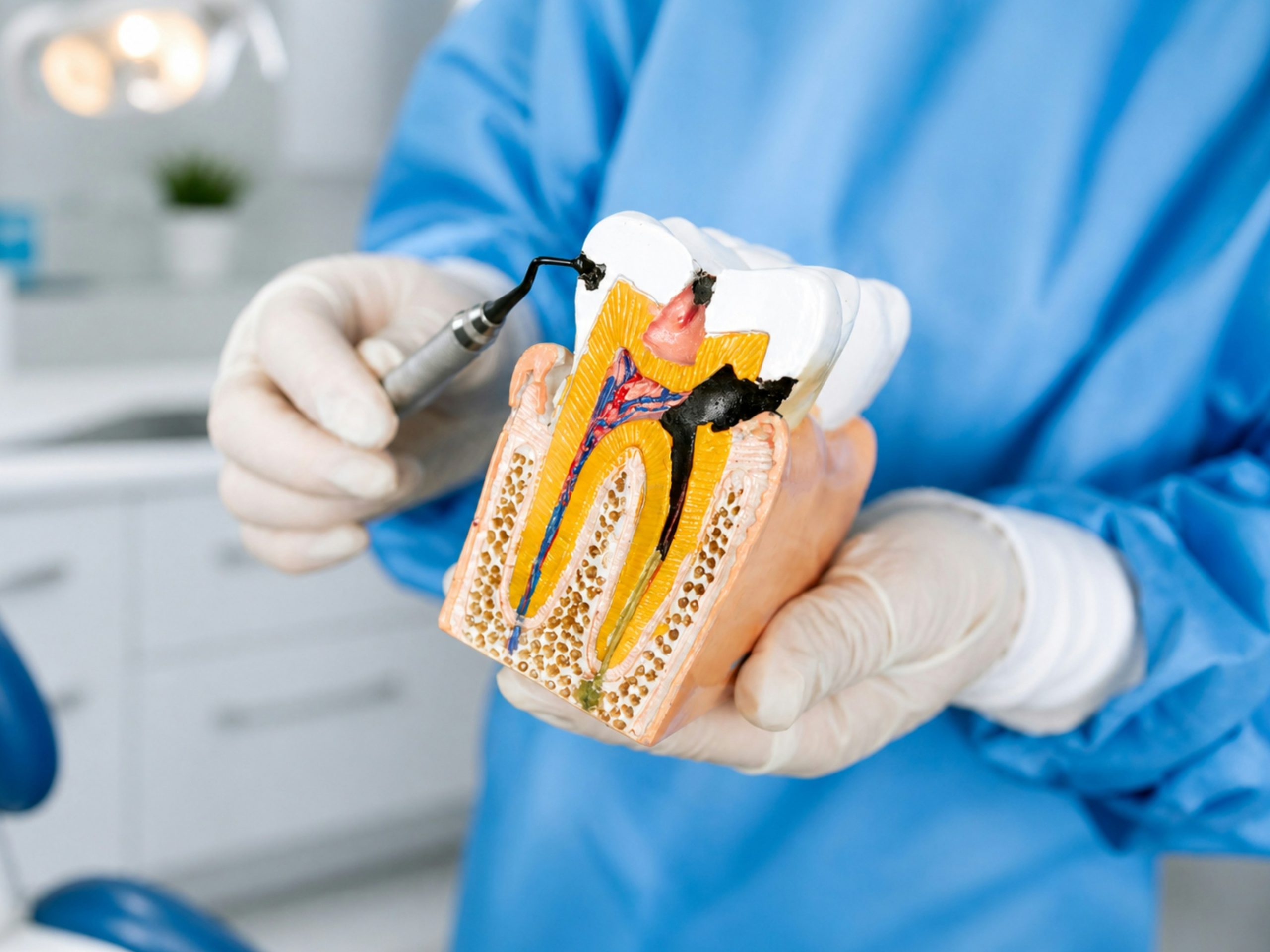
Most of us hope that once a tooth has undergone root canal treatment, the problem is solved for good. And often, it is. With proper care, a tooth that has had a root canal can last a lifetime. However, sometimes a tooth doesn’t heal as expected, or new issues arise, leading to persistent pain or discomfort. This is where root canal retreatment comes in, offering a vital second chance to save your natural tooth.
Understanding Root Canal Retreatment
Root canal retreatment, also known as endodontic retreatment, is essentially a repeat root canal procedure. It’s performed when an initial root canal treatment fails to fully resolve an infection or when new problems emerge in a previously treated tooth. The primary goal remains the same: to eliminate infection, preserve the natural tooth, and restore comfort and function.
Why would a tooth need a second root canal? Several factors can contribute to a failed or re-infected root canal:
- Undetected or Untreated Canals: Sometimes, the tooth’s complex internal anatomy might have tiny, narrow, or curved canals that were not identified or thoroughly cleaned during the initial procedure.
- Incomplete Cleaning or Sealing: If any infected tissue or bacteria were left behind, or if the root canal filling material didn’t properly seal the canals, a new infection can develop.
- Delayed Restoration: If there was a significant delay in placing the permanent crown or other restoration after the initial root canal, the temporary filling might have leaked, allowing bacteria to re-enter.
- New Decay or Damage: New cavities can form around an existing filling or crown, exposing the treated tooth to bacteria and causing a new infection.
- Cracked or Fractured Tooth/Restoration: A loose, cracked, or broken crown or filling, or a new fracture in the tooth itself, can compromise the seal and allow bacteria to infect the tooth.
- Salivary Contamination: Saliva entering the treated tooth can introduce bacteria and lead to reinfection.
Choosing root canal retreatment is often preferable to extraction, as it allows us to retain your natural tooth. Keeping your natural teeth helps maintain proper chewing function, prevents adjacent teeth from shifting, and avoids the need for more extensive and costly procedures like dental implants or bridges.
Identifying a Failed Root Canal
It’s important to recognize the signs that might indicate a previously treated tooth needs root canal retreatment. While some discomfort is normal immediately after the initial root canal, persistent or recurring symptoms are a cause for concern.
Common signs and symptoms of a failed root canal include:
- Persistent Pain or Discomfort: This is often the most common indicator. You might experience a dull ache, throbbing, or sharp pain in the treated tooth, even months or years after the initial procedure.
- Swelling: Swelling in the gums around the affected tooth or face can signal an ongoing infection.
- Sensitivity: Increased sensitivity to hot or cold temperatures, or pain when biting down or chewing, can also be a sign.
- Visible Cracks or Chips: Any new cracks or chips in the tooth or its restoration could expose the inner tooth to bacteria.
- Loose or Failing Dental Work: A loose crown or filling can compromise the seal and lead to reinfection.
- Recurring Abscesses: The formation of a pimple-like bump or boil on the gums, which may release pus, indicates an infection.
- Tooth Discoloration: In some cases, a treated tooth may change color.
If you experience any of these symptoms, it’s crucial to consult with your dentist or an endodontist promptly. They can evaluate the tooth, often using X-rays or 3D imaging (CBCT scans), to determine the extent of the problem and whether root canal retreatment is the appropriate solution. Early intervention can significantly improve the success rate and prevent further complications.
The Retreatment Procedure: What to Expect
The root canal retreatment procedure is similar to the original root canal but often more complex due to the need to access and remove existing restorative and filling materials. It typically involves one to three visits, depending on the complexity of the case.
Here’s a step-by-step overview of what to expect:
- Anesthesia: We will administer a local anesthetic to numb the affected tooth and surrounding area, ensuring your comfort throughout the procedure.
- Accessing the Tooth: If you have a crown or other restoration, the endodontist will carefully remove it to gain access to the root canal filling material.
- Removing Old Filling Material: Using specialized instruments, such as an ultrasonic handpiece, the endodontist will remove the existing gutta-percha (the rubbery filling material) and any obstructions or posts from the canals. This step allows for a thorough re-examination of the tooth’s internal structure.
- Cleaning and Shaping the Canals: The endodontist will meticulously clean and reshape the root canals, carefully examining the inside of the tooth using magnification and illumination (like an operating microscope) to identify any missed canals or unusual anatomy. They will flush the canals with a special disinfecting solution to remove any lingering bacteria or infected tissue.
- Sealing the Canals: Once the canals are thoroughly cleaned and disinfected, they will be filled and sealed with new, biocompatible material, typically gutta-percha, to prevent future bacterial invasion.
- Temporary Filling: A temporary filling will be placed to seal the opening in your tooth.
- Permanent Restoration: After the retreatment is complete, you will need to return to your general dentist as soon as possible to have a new permanent crown or other restoration placed. This final step is crucial for protecting the treated tooth and restoring its full function.
The entire process is performed with precision, often utilizing advanced technologies like CBCT 3D imaging and operating microscopes, which allow for greater accuracy in identifying and treating complex canal structures.
Post-Treatment Care and Prognosis
After your root canal retreatment, it’s normal to experience some mild discomfort, swelling, and sensitivity for a few days as your body heals. This can include sensitivity when chewing or biting down, or tenderness when touching the tooth.
Here’s what you can do for post-treatment care and what to expect regarding prognosis:
- Pain Management: Over-the-counter pain relievers like ibuprofen or acetaminophen are usually sufficient to manage discomfort. Your dentist may prescribe stronger medication if needed. The pain should gradually diminish within a few days.
- Diet: Stick to soft foods for the first few days and avoid chewing on the treated tooth until the permanent restoration is placed. This helps prevent damage to the temporary filling and allows the tooth to heal.
- Oral Hygiene: Continue to brush and floss gently around the treated area. Maintaining good oral hygiene is essential for preventing complications.
- Follow-Up Appointments: Attend all recommended follow-up appointments with your endodontist and general dentist. Your endodontist will monitor the tooth’s healing, and your general dentist will place the permanent crown or restoration.
- Avoid Harmful Habits: Refrain from habits that could damage your treated tooth, such as chewing on ice or hard candies.
Prognosis and Success Rate: Root canal retreatment has a high success rate, often ranging from 75% to over 90%. A study in the Journal of Endodontics reported an 88.42% success rate for retreatments. With proper care and a timely permanent restoration, a retreated tooth can function well for many years, even a lifetime. If you’re experiencing symptoms of a failed root canal, seeking evaluation from an experienced provider like vertexendo.com can help determine whether retreatment is the right path for you.
Factors influencing success include the underlying cause of the initial failure, the complexity of the case, and your overall health. Endodontists, who have specialized training, often achieve higher success rates compared to general dentists for complex endodontic procedures.
It’s important to note that while root canal retreatment is highly successful, there are no absolute guarantees with any medical procedure. Risks are minimal but can include potential for another infection, tooth fracture, or failure of the procedure, which could ultimately lead to extraction.
