
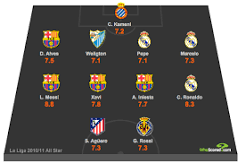
Navigating a grueling thirty-eight-round football calendar demands more than sophisticated statistical modeling; it requires rigorous psychological endurance. The 2010/11 Spanish La Liga season, marked by high-variance upsets, extreme tactical polarization, and intense mid-week European congestion, placed tremendous cognitive strain on analytical bettors. When market participants subject themselves to unrelenting weekend-to-weekend exposure, decision fatigue inevitably sets in, degrading qualitative judgment and increasing vulnerability to tilt. Scheduling mandatory operational rest weeks was not merely a psychological luxury—it was a critical risk-management tool designed to protect capital from the compounding effects of analytical burnout.
The Cognitive Toll of Uninterrupted Season-Long Exposure
Professional sports analysis demands constant pattern recognition, data synthesis, and emotional regulation across dozens of high-stakes variables. Operating without a break causes a subtle but measurable degradation in pre-match analysis quality. A bettor suffering from cognitive fatigue begins to rely on superficial heuristic shortcuts—such as historical team reputation or raw league standing—rather than engaging in the labor-intensive process of auditing underlying expected goals, pressing metrics, and injury impacts. This drop in analytical rigor directly correlates with negative expected value, as the market rapidly punishes positions unsupported by deep structural logic.
Identifying Optimal Windows for Mandatory Operational Freezes
Strategic rest weeks cannot be taken randomly; they must align with specific chronological phases where market predictability is lowest, or where fixture scheduling introduces chaotic variables.
The table below outlines the optimal windows for scheduling a complete betting freeze during the 2010/11 campaign and the corresponding structural rationale:
| Calendar Phase | Specific Timing Window | Primary Source of Market Instability | Analytical Rationale for Rest |
| Post-Transfer Chaos | Matchdays 21–22 (Early February) | Integration of mid-season signings disrupting tactical cohesion | Historical models temporarily fail as new player combinations skew performance baselines |
| European Congestion | Matchdays 28–29 (March) | Heavy rotation by top-tier clubs balancing continental knockout stages | Unpredictable starting XIs degrade Asian handicap pricing accuracy |
| The International Hangover | Matchdays following major FIFA breaks | Severe physical fatigue and disjointed team training sessions | High variance in favorite performance as elite players return with varied fitness levels |
| The Tactical Shift | Any week following multiple managerial sackings | Sudden structural changes in mid-table pressing blocks | Market pricing lags behind new tactical identities, creating chaotic initial outcomes |
Executing a full operational freeze during these precise windows shielded bankrolls from the highest-variance segments of the season. Rather than attempting to guess how a newly appointed manager might organize a disjointed squad, disciplined analysts stepped back, allowed the market to absorb the volatility, and returned with fresh, empirical data points to resume modeling.
The Mechanism of Decision Fatigue in Wagering
Continuous exposure to volatile match outcomes degrades the prefrontal cortex’s ability to evaluate risk objectively.
Diminishing Returns on Complex Tactical Analysis
As the season progresses without a break, a bettor’s capacity to process nuanced variables—such as how a specific referee’s card-issuing tendency impacts a low-block defense—deteriorates, leading to binary, high-risk positions driven by emotion rather than logic.
Implementing the Hard Stop: Rules for a Genuine Reset
A scheduled rest week only restores psychological equilibrium if it is a genuine, comprehensive disengagement from the sport.
The sequential rules below detail the necessary operational boundaries for a successful psychological reset:
- Complete Interface Blackout: Delete or block access to all odds-tracking software and analytical databases for a full seven-day cycle.
- Capital Lock-Down: Transfer operational capital out of active holding accounts to prevent impulsive, boredom-driven weekend wagers.
- Media Disengagement: Mute all football-related social media channels and avoid reading tactical preview articles, eliminating passive cognitive processing of the sport.
- Post-Rest Audit: Upon return, conduct a zero-emotion review of the missed matchday purely through numerical data, avoiding narrative-driven highlight reels.
Adhering strictly to these boundaries ensures that the brain fully disengages from the cyclical stress of probability calculation, allowing the analyst to return with restored emotional detachment and sharper pattern recognition.
Securing Capital Against Compulsive Re-Entry
The true test of a scheduled rest week is maintaining discipline when an unexpectedly favorable matchup appears on a Saturday afternoon. In circumstances where boredom or habitual behavior tempts a bettor to break their self-imposed freeze, utilizing the responsible gaming tools embedded within a premier online betting site such as ufa168 มือถือ provides an unbreachable defense. By activating a predetermined, seven-day account lock, the bettor physically removes their ability to execute a trade, transferring the burden of discipline from internal willpower to an external software constraint.
The Psychological Danger of “Watching for Fun”
A common error during a scheduled rest week is attempting to consume fixtures purely for entertainment while avoiding active market placement. This approach invariably fails because the analytical mind continues to process spatial positioning, structural weaknesses, and refereeing biases. When a bettor “ghost-reads” a match correctly without capital attached, intense regret forms over the missed profit opportunity, often triggering aggressive, oversized wagers upon returning to active status. Total abstinence from live broadcasts is mandatory to break the psychological tether to the market.
Structural Comparisons in Regulated Wagering Ecosystems
The necessity of forced operational breaks in sports analysis mirrors the structural safeguards utilized across diverse probability-based environments. Where a football analyst must schedule weeks off to combat decision fatigue, examining session limits and mandatory cool-down periods inside an active casino online portal demonstrates how prolonged exposure mathematically degrades player decision-making. Recognizing that cognitive stamina is finite reinforces the requirement that professional execution demands strategic periods of absolute inactivity.
Failure Conditions: When Rest Weeks Induce Market Blindness
The concept of a strategic reset fails if the absence extends too long or occurs during a period of critical structural transition within the league. Stepping away for three consecutive weeks during the volatile winter transfer window causes the analyst to lose touch with vital squad chemistry developments. Returning blind to a landscape where a bottom-tier club has drastically altered its defensive shape results in immediate mispricing. A rest week must be a brief, calculated pause—typically five to seven days—ensuring the bettor returns refreshed without surrendering their cumulative tactical knowledge of the campaign.
Summary
Scheduling mandatory rest weeks during the 2010/11 La Liga season was a structural necessity for maintaining analytical sharpness and protecting long-term bankroll integrity. Continuous exposure to high-variance match outcomes inevitably led to decision fatigue, degrading qualitative judgment and increasing susceptibility to emotional chasing. By synchronizing complete operational freezes with high-volatility calendar windows—such as post-international breaks or heavy European congestion—disciplined market participants preserved their cognitive endurance. A true psychological reset requires complete disengagement from odds interfaces and live broadcasts, ensuring the analyst returns with objective clarity and renewed tactical focus.
