
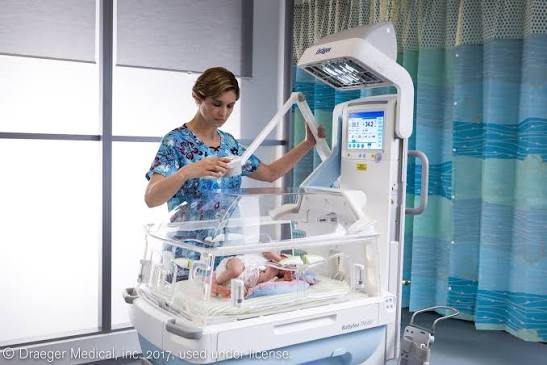
Whenever disposable curtains are mentioned in healthcare facilities, the focus is usually on their selection, aesthetic themes, and infection control capabilities. But there is one crucial step that is often overlooked during design and purchase: what happens to a curtain once it is removed from a pediatric bed? Disposal of hospital curtains after removal is not just a final formality, but a key responsibility for the full lifecycle of the product.
When we choose different designs and materials for pediatric disposable curtain styles and curtain replacement service, we must also plan for their responsible, legal, and environmentally friendly disposal from the very beginning. The main purpose of this article is to provide detailed and practical guidance on aspects of hospital waste management and sustainability, without compromising prevailing infection control principles.
Why Sustainable Disposal Matters in Pediatric Healthcare Facilities
Why is it important to dispose of waste in an environmentally friendly manner in children’s hospitals or wards? Here are some of the main reasons:
- High volume of waste: Compared to adult wards, pediatric units have higher patient turnover and curtains are changed more frequently for cleanliness reasons, which creates a disproportionate volume of disposable waste
- Institutional and social pressure: There is now increasing pressure on medical institutions from hospital boards, sustainability officers, and society itself to demonstrate practical evidence of environmental responsibility alongside clinical excellence
- The vision of sustainable healthcare: Through proper waste management, hospitals can play a significant role in achieving the global goals of sustainable healthcare
Where Infection Prevention and Responsible Disposal Intersect
It is quite clear that no eco-friendly or sustainable initiative can compromise the hospital’s core principle of “patient safety and cleanliness.” The real challenge and balance is how hospital management can responsibly dispose of waste while adhering to strict rules to prevent the spread of germs. This section actually acts as a strong bridge between hygiene requirements and environmental responsibility, where both objectives are made possible to achieve simultaneously.
Understanding Healthcare Waste Categories
For proper management of medical waste, waste in hospitals is usually divided into three main categories:
- General/Non-Hazardous Waste: This is waste that does not pose a risk of spreading germs, such as ordinary paper or non-contaminated materials
- Regulated Medical Waste: This includes equipment that is regulated under a specific medical procedure
- Biohazardous Waste: This is waste that has been directly used by patients with blood, body fluids, or infectious diseases
It is important to note that the category in which any drape will go is decided not only by looking at its material, but also according to the visible contamination on it, the isolation status of the patient, and the internal policy of the hospital.
How Classification Determines Disposal Pathways
The category of hospital waste that the drape falls into will determine whether it will be sent to a general waste truck, handed over to a specialized medical waste contractor, or must be sent to a specialized and expensive biohazard treatment plant.
Where Disposable Pediatric Curtains Fit Within Waste Management Systems
If the disposable drapes do not have visible blood or body fluid stains, they can usually be disposed of under the hospital’s non-hazardous or general waste protocol. Conversely, if the drape is contaminated or has been removed from an isolation unit for an infectious disease, it must be considered regulated medical waste. The hospital’s own waste system and policy play a major role in determining which Pediatric Disposable Curtain Styles drapes should be disposed of in which waste stream.
Safe Removal Procedures Before Disposal
Before placing the drape in the waste bin, the procedure for removing it from the bed should be in accordance with the following principles:
- Staff must wear appropriate personal protective equipment (PPE) such as gloves and masks
- When removing the drape, avoid shaking or aerosolization to prevent the spread of dust particles or germs into the air
- Immediately after removing the drape, it should be sealed in a special waste bag (immediate bagging)
- This process of removing the drape correctly not only keeps staff safe, but also eliminates the risk of misclassification of waste
Waste Segregation Best Practices for Curtain Disposal
Waste segregation should always take place at the point of generation, rather than collecting and sorting the entire hospital waste later. The following best practices should be followed:
- Color-coded bins: Clearly labeled or color-coded bins should be designated for different categories of waste
- Prompt segregation: Stained and clean drapes should be placed in separate bags as soon as they are removed so that they do not mix
- Easy access: Waste bins should be located very close to the drape removal area so that staff do not inadvertently throw soiled drapes in with the general waste
Biohazard vs Non-Hazardous Disposal Considerations
Hospital staff should be clear about the distinction between biohazardous and non-hazardous waste. If a drape is contaminated with bodily fluids, or has been used in a room with a patient with a specific infectious disease, it is considered a biohazard. Misclassification of waste is harmful in both cases; if you classify even a regular drape as a biohazard, the hospital’s Medical Waste Disposal costs will unnecessarily increase, and if the contaminated drape is disposed of in the general waste, it will violate the law and pose serious medical risks.
The Role of Environmental Services (EVS) Teams in Sustainable Disposal
At the individual level, EVS (Hospital Environmental Services) teams are the frontline force in this entire process. They are the ones who make the final decision on the correct classification of waste during the daily curtain change. Therefore, rather than relying solely on the personal judgment of staff, hospitals should provide clear and simple decision protocols to ensure that the same standards are maintained across every shift and every unit. Incorporating a small “disposal checklist” system within the hospital’s existing workflow bootstraps operational efficiency.
Hospital Sustainability Initiatives and Disposable Curtain Programs
Today’s modern and forward-thinking hospitals are integrating their disposable product waste into larger sustainability goals (such as carbon footprint reporting and waste diversion targets). Since pediatric wards generate a large amount of disposable waste, pediatric unit data plays a critical and weighty role in these larger sustainability projects. This becomes a smart strategic decision at the hospital level.
Reducing Environmental Impact Without Compromising Patient Safety
The underlying philosophy of this entire article is that no sustainability measure should compromise patient clinical safety. Here are some practical ways to maintain this balance:
- Waste classification should be optimized so that non-hazardous drapes don’t unnecessarily end up on the biohazard list and become an environmental burden
- The hospital should partner only with waste contractors who use certified and environmentally friendly waste disposal methods
- The drape material and size should be right-sized to the bed’s needs so that no additional waste is generated
Procurement Considerations That Support Sustainable Disposal
Procurement teams should consider these objective factors when selecting suppliers, rather than just looking at price:
- Are clear and legal guidelines provided by the manufacturer for the disposal of drapes?
- Is the chemical composition of the drape material clearly defined to facilitate waste planning?
- What is the volume of the packaging (plastic, cardboard boxes) that comes with the drapes, and is it recyclable?
- Do the drapes match the hospital’s existing waste contractor’s recycling or disposal machinery?
Common Mistakes Hospitals Make During Curtain Disposal
Common mistakes hospitals make when disposing of drapes include:
- Throwing all used drapes directly into biohazardous or regulated medical waste without checking, which increases hospital costs beyond the manufacturing cost
- Not training new EVS staff on the hospital’s specific waste system
- Not having consistent waste segregation practices across shifts or wards
- Not keeping any documented records or tracking of drape waste for sustainability reporting
- Completely excluding the excess packaging waste that comes with drape supplies from environmental impact calculations
Future Trends in Sustainable Healthcare Waste Management
The future of medical waste management is now moving towards more data and advanced technology. The industry is now introducing tools that will accurately classify waste to prevent unnecessary waste from becoming biohazardous. At the same time, hospitals are now demanding 100% transparency from manufacturers in terms of material recycling so that in the future these curtains can be part of green technology that makes them reusable.
A Practical Sustainability Checklist for Facility Managers
The following is a useful and sustainable disposal checklist for facility managers:
- Are all hospital staff well-trained in specific waste segregation rules?
- Is waste segregation occurring immediately at the point of removal?
- Are regular records of disposal being maintained for auditing and sustainability reporting?
- Has the hospital reviewed the environmentally sound processing certificates of its waste contractor?
- Is the procurement team assessing material transparency and disposal guidance at the time of purchase?
- Is the supply chain and packaging waste associated with the curtains included in the overall sustainability assessment?
Conclusion: Treating Disposal As Part of the Curtain’s Full Operational Lifecycle
The process of disposing of disposable curtains in any hospital is not an isolated task, disconnected from infection control or purchasing decisions, but rather an integral part of the operational lifecycle. Healthcare institutions that strike the perfect balance between regulatory compliance, patient safety, and environmental sustainability not only realize significant savings in waste management costs but also significantly enhance their institutional reputation in the marketplace.
To truly embrace a green policy, on the right track’s curtain replacement service provide hospitals with complete material transparency and easy disposal protocols, making them the best and most reliable choice for a hospital’s sustainability programs.
Frequently Asked Questions
1. Are all disposable pediatric curtains classified as biohazard waste?
No, not all drapes are biohazardous. If the drape is not stained with blood or bodily fluids and has not been used in an infectious isolation ward, it can go in the non-hazardous waste according to hospital policy.
2. How can hospitals reduce disposal costs without compromising infection control?
The best way to do this is to ensure that waste segregation is perfect so that clean curtains do not accidentally become part of expensive biohazard waste, rather than reducing the frequency of curtain changes.
3. What documentation should facilities maintain for curtain waste disposal?
Hospitals should keep complete records of the total weight of waste, category of waste, details of the registered waste collection contractor, and date of disposal for use in audits and sustainability reporting.
4. How do EVS teams decide which waste stream a used curtain belongs to?
EVS teams make this determination by examining the clear color-coded protocols provided by the hospital, the patient’s isolation status, and any visible stains on the screen.
5. Can sustainable disposal practices actually lower a hospital’s overall waste management costs?
Yes, when a hospital properly segregates waste, general waste does not mix with biohazardous waste. Since biohazardous waste disposal fees are very high, proper segregation can save the hospital thousands of dollars annually.
