
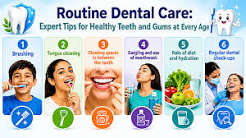
You brush, you floss when you can, and life still gets in the way. A child misses a checkup because school gets busy. An adult puts off an appointment because nothing hurts yet. An older parent says their dentures feel “fine” and leaves it there. That pattern is common, and it usually comes from the same place. You are managing a lot, and dental visits can feel easy to delay when there is no clear emergency, which is why seeing a dentist in South Lake Tahoe CA can help you stay ahead of problems before they grow.
The problem is that many oral health issues stay quiet at first. Cavities, gum disease, bite changes, worn enamel, oral infections, and signs of other health concerns often build slowly. Regular screenings catch those changes early, when treatment is simpler, less painful, and less expensive. That is the core value of The Benefits Of Regular Oral Health Screenings For Every Age Group. They protect more than teeth. They protect comfort, function, confidence, and your ability to avoid bigger problems later.
Regular oral health screenings catch small problems before they grow
A routine dental screening is not just a quick look at your teeth. A dental exam can include checking for tooth decay, gum inflammation, plaque buildup, bite issues, loose fillings, and early signs of oral cancer or infection. When those concerns are found early, treatment tends to be more direct. A small cavity may need a filling. Left alone, that same spot can turn into a root canal, an extraction, or a painful weekend call for urgent care.
Children benefit because their mouths change fast. Baby teeth hold space for adult teeth, and early screenings can spot crowding, thumb-sucking effects, and brushing habits that need attention. Teenagers often deal with sports injuries, braces, wisdom teeth concerns, and diet choices that raise cavity risk. Adults face stress grinding, gum disease, and skipped care from busy schedules. Older adults may deal with dry mouth from medications, receding gums, worn dental work, and trouble cleaning around bridges or dentures. The need changes with age, but the value of a family dentist stays steady.
You may think, “If I am not in pain, I can wait.” That is where people get caught. Gum disease can progress with little warning. A cracked tooth can hide until you bite the wrong thing. Oral health can also reflect broader health patterns. The Health Resources and Services Administration explains that adult oral health affects eating, speaking, sleeping, and overall well-being. Mouth problems do not stay neatly in one corner of your life.
Preventive dental screenings reduce stress, cost, and disruption
Putting off checkups often feels practical in the moment. You save time this month. You avoid one more appointment. Then a minor issue turns into swelling before a trip, a broken tooth before a job interview, or a child waking up crying at night. That is when delay gets expensive, both financially and emotionally.
Preventive care usually costs less than restorative treatment. It also gives you choices. When a dentist sees a problem early, you can plan around work, school, and your budget instead of reacting under pressure. That matters for families balancing childcare, transportation, insurance questions, and time off.
Access is still uneven, and many people do not get routine care as often as they should. The CDC tracks dental visit data showing that not everyone receives regular dental care each year. That gap helps explain why preventable issues still become larger problems. The benefit of routine dental screenings is not abstract. It shows up in fewer emergencies, fewer surprise costs, and less time spent trying to fix something that could have been handled earlier.
Every age group gains something different from preventive dental care
What a screening protects at age six is not the same as what it protects at age sixty. The goal is still prevention, but the details shift.
| Age Group | Common Screening Focus | Likely Benefit |
|---|---|---|
| Children | Cavities, tooth development, brushing habits, bite changes | Fewer early cavities and better long term alignment support |
| Teens | Orthodontic needs, wisdom teeth, sports injuries, diet related decay | Early correction and lower risk of avoidable damage |
| Adults | Gum disease, worn enamel, grinding, failing fillings or crowns | Less invasive treatment and lower long term costs |
| Older Adults | Dry mouth, root decay, oral cancer screening, denture or bridge fit | Better comfort, chewing ability, and protection against tooth loss |
This is why preventive oral exams matter across the full lifespan. A child may need coaching and sealants. A working adult may need help with nighttime grinding. An older adult may need close checks around existing dental work. One service, different forms of protection.
Simple steps make regular oral health screenings easier to keep
1. Put dental visits on the calendar before a problem starts.
Treat screenings like any other health appointment that supports your daily life. Schedule the next visit before you leave the office, then build the reminder into your phone and family calendar. That removes the burden of remembering later, which is often when it slips.
2. Track changes that seem small.
Bleeding gums, bad breath that stays, tooth sensitivity, jaw soreness, mouth sores, or a denture that suddenly feels off all deserve attention. People often normalize these signs because they come on slowly. Write them down and bring them to the appointment. Small details help a dentist spot patterns faster.
3. Choose a family dentist who can follow your needs over time.
Continuity matters. A dentist who sees children, adults, and older relatives can notice changes across years, not just at one visit. That makes care feel less fragmented and often less stressful, especially when one household is managing different ages and different concerns.
Regular dental care supports comfort, health, and peace of mind
Most people do not delay screenings because they do not care. They delay because life gets crowded, money gets tight, and nothing seems urgent until it is. Regular oral health screenings interrupt that cycle. They help you catch issues early, protect your budget, and keep your teeth and gums working the way they should at every stage of life.
If it has been a while, that does not mean you failed. It means now is a good time to get back on track with a family dentist and make preventive care part of your routine again.
