
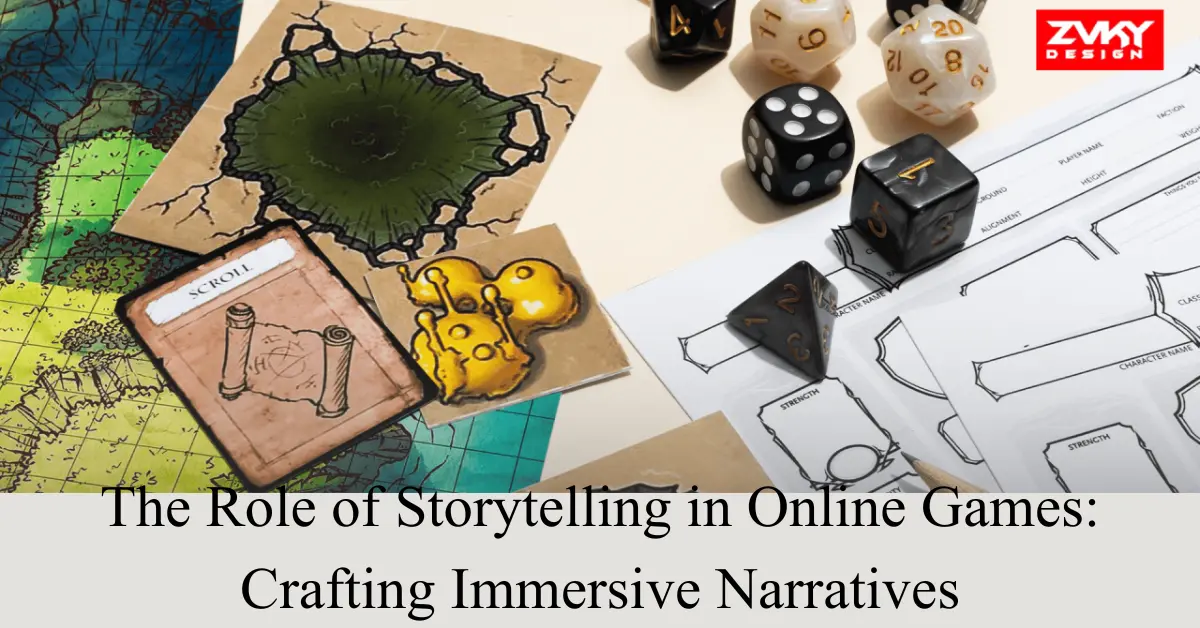
In the vast digital realms of pafikotapalu.org, where players embark on epic adventures, conquer mythical lands, and forge alliances with fellow gamers from around the globe, storytelling serves as the cornerstone of immersive gameplay. From the sprawling narratives of massively multiplayer online role-playing games (MMORPGs) to the character-driven plots of narrative-driven titles, the art of storytelling plays a pivotal role in shaping player experiences and fostering emotional connections. In this article, we’ll delve into the significance of storytelling in online games, exploring how developers craft immersive narratives that captivate players and leave a lasting impact.
The Evolution of Storytelling in Online Games
The concept of storytelling in gaming has evolved significantly since the early days of text-based adventures and pixelated graphics. As technology has advanced, so too have the tools available to game developers, allowing for richer and more immersive storytelling experiences. Gone are the days of linear narratives and one-dimensional characters; today’s online games boast complex storylines, dynamic characters, and branching paths that adapt to player choices.
MMORPGs represent one of the most prominent examples of storytelling in online gaming. Games like “World of Warcraft,” “Final Fantasy XIV,” and “The Elder Scrolls Online” transport players to fantastical worlds teeming with lore, quests, and memorable characters. Through a combination of quest text, in-game dialogue, and cinematic cutscenes, these games weave intricate narratives that immerse players in epic tales of heroism, betrayal, and redemption.
Engaging Players Through Narrative
At the heart of effective storytelling in online games lies the ability to engage players on both an intellectual and emotional level. By crafting compelling characters, intriguing plotlines, and immersive worlds, developers create an interactive experience that resonates with players long after they’ve logged off. Whether it’s unraveling the mysteries of a forgotten civilization, uncovering the truth behind a sinister conspiracy, or forging alliances with rival factions, the best online games draw players into their narratives and make them active participants in the storytelling process.
One of the key techniques used to engage players is the use of player agency, allowing individuals to make meaningful choices that influence the direction of the narrative. Branching storylines, multiple endings, and moral dilemmas give players a sense of ownership over their in-game experiences, fostering a deeper connection to the world and its inhabitants. By empowering players to shape the story according to their actions, developers create a sense of investment and immersion that keeps players coming back for more.
The Art of World-Building
Central to the success of storytelling in sbobet88 is the creation of rich and immersive worlds that feel alive and vibrant. From the bustling streets of a medieval city to the sprawling landscapes of a distant planet, the environments in which games are set play a crucial role in shaping the narrative experience. Through meticulous attention to detail, developers breathe life into their virtual worlds, populating them with memorable landmarks, diverse cultures, and hidden secrets waiting to be discovered.
World-building in online games goes beyond mere aesthetics; it encompasses the history, geography, and socio-political dynamics of the game world, providing players with a sense of context and immersion. By grounding the narrative in a coherent and believable setting, developers create a sense of verisimilitude that allows players to suspend their disbelief and fully immerse themselves in the game world. Whether it’s exploring ancient ruins, delving into dark dungeons, or navigating treacherous landscapes, players are drawn into the world of the game and compelled to uncover its mysteries.
Fostering Community and Connection
Beyond the individual player experience, storytelling in online games has the power to foster community and connection among players. MMORPGs, in particular, serve as virtual meeting grounds where players from diverse backgrounds come together to embark on shared adventures and forge lasting friendships. By providing a common narrative framework and shared goals, online games create opportunities for collaboration, cooperation, and social interaction, enriching the gaming experience and fostering a sense of belonging within the community.
Player-generated content also plays a significant role in shaping the narrative landscape of online games. From player-created quests and storylines to fan fiction and role-playing communities, players contribute to the ongoing narrative of the game world, adding depth and richness to the overall experience. Through collaborative storytelling and collective imagination, players create their own narratives within the framework provided by the game, further blurring the lines between fiction and reality.
The Future of Storytelling in Online Games
As technology continues to advance and player expectations evolve, the future of storytelling in online games looks brighter than ever. Virtual reality, augmented reality, and other emerging technologies hold the promise of even more immersive and interactive storytelling experiences, allowing players to step into the shoes of their favorite characters and explore worlds like never before. Artificial intelligence and procedural generation also present exciting opportunities for dynamic storytelling, where narratives adapt and evolve in response to player actions and choices.
However, with these advancements come new challenges and considerations. Balancing player agency with narrative coherence, maintaining immersion in procedurally generated worlds, and addressing issues of representation and diversity are just a few of the complex issues that developers must navigate as they push the boundaries of storytelling in online games. Yet, as history has shown, the power of storytelling to captivate, inspire, and connect knows no bounds, and the potential for innovation and creativity in the world of online gaming is truly limitless.
In conclusion, storytelling is not merely a peripheral aspect of online games; it is the very foundation upon which immersive and engaging experiences are built. From epic sagas of heroism and adventure to intimate character-driven narratives, storytelling in online games has the power to transport players to new worlds, evoke powerful emotions, and forge connections that transcend the boundaries of the digital realm. As technology continues to evolve and storytelling techniques evolve, one thing is certain: the art of storytelling will continue to play a central role in shaping the future of online gaming for years to come.
