
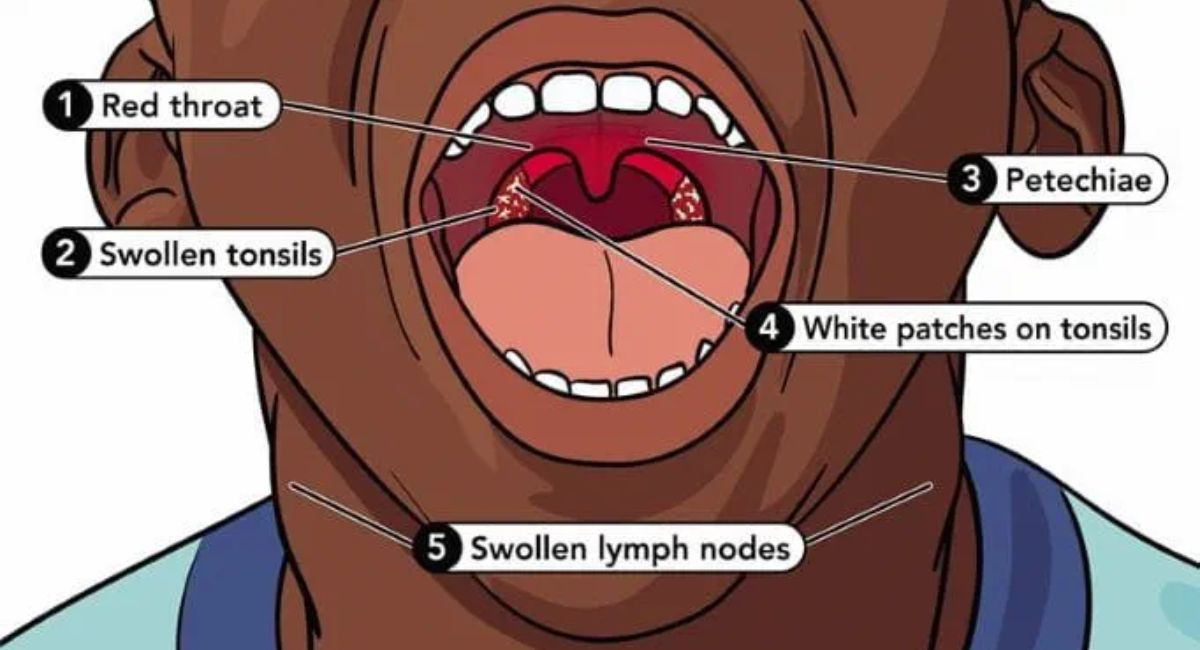
Source: allinahealth
Untreated strep throat is more than just a sore throat that refuses to go away. It is a bacterial infection caused by Streptococcus pyogenes (Group A Streptococcus) that can lead to serious health complications if left untreated. While some people assume the symptoms will disappear on their own, ignoring this infection may increase the risk of spreading bacteria and developing long-term health problems.
Recognizing the warning signs, seeking timely treatment, and following medical advice can make a significant difference in recovery. This guide explains the dangers of untreated strep throat, common symptoms, possible complications, and practical steps to protect your health.
What Is Strep Throat?
Strep throat is a contagious bacterial infection that mainly affects the throat and tonsils. It spreads through respiratory droplets when an infected person coughs, sneezes, or shares food and drinks.
Unlike a viral sore throat, strep throat usually requires antibiotic treatment to eliminate the bacteria and reduce the risk of complications.
Common Symptoms
Typical symptoms include:
- Sudden sore throat
- Pain when swallowing
- Fever
- Swollen lymph nodes
- Red and swollen tonsils
- White patches on the tonsils
- Headache
- Body aches
- Nausea, especially in children
If these symptoms appear together, it is important to seek medical evaluation rather than relying solely on home remedies.
What Happens If Strep Throat Is Left Untreated?
Many people wonder whether untreated strep throat will simply go away. While symptoms may improve over time, the bacteria can continue causing damage inside the body.
Increased Risk of Complications
Without treatment, the infection may spread beyond the throat and lead to serious medical conditions, including:
- Rheumatic fever
- Kidney inflammation (post-streptococcal glomerulonephritis)
- Tonsil abscess
- Ear infections
- Sinus infections
- Bloodstream infections in rare cases
Some of these complications can affect the heart, kidneys, or joints and may require extensive medical care.
Longer Recovery Time
People with untreated strep throat often experience symptoms for a longer period. Severe throat pain, fever, and fatigue may interfere with work, school, and daily activities.
Higher Chance of Spreading the Infection
Because strep throat is highly contagious, untreated individuals can unknowingly pass the bacteria to family members, classmates, or coworkers. Early diagnosis and treatment help reduce transmission.
How Doctors Diagnose Strep Throat
A healthcare provider usually performs a physical examination and asks about your symptoms. To confirm the diagnosis, they may recommend:
Rapid Strep Test
A throat swab provides quick results within minutes and is commonly used in clinics.
Throat Culture
If the rapid test is negative but symptoms strongly suggest strep throat, a throat culture may be ordered. This test is highly accurate but typically takes one to two days for results.
Treatment Options
The standard treatment for strep throat involves antibiotics prescribed by a healthcare professional.
Antibiotics help:
- Kill the bacteria
- Shorten the duration of symptoms
- Reduce the risk of complications
- Lower the chance of spreading the infection
Even if symptoms improve after a few days, completing the full course of medication is essential.
Home Care Tips
Along with medical treatment, these simple measures can improve comfort:
- Drink plenty of warm fluids.
- Get adequate rest.
- Gargle with warm salt water.
- Use a humidifier if the air is dry.
- Eat soft foods that are easier to swallow.
- Take over-the-counter pain relievers only as directed by your healthcare provider.
These steps support recovery but should not replace prescribed antibiotics for confirmed bacterial infections.
When Should You See a Doctor?
Seek medical attention if you experience:
- Severe sore throat lasting more than two days
- High fever
- Difficulty swallowing
- Trouble breathing
- Swollen neck glands
- White patches on the tonsils
- Rash along with a sore throat
- Symptoms that return after improving
Prompt medical care can prevent untreated strep throat from developing into a more serious condition.
How to Prevent Strep Throat
Preventing infection is easier than treating complications. Good hygiene habits can significantly lower your risk.
Practical Prevention Tips
- Wash your hands frequently with soap and water.
- Avoid sharing eating utensils or drinking glasses.
- Cover your mouth when coughing or sneezing.
- Clean frequently touched surfaces regularly.
- Stay home if you are sick.
- Replace your toothbrush after starting antibiotics if diagnosed with strep throat.
These simple habits help protect both you and those around you.
Conclusion
Untreated strep throat should never be ignored. Although it may seem like a routine sore throat, the infection can lead to serious complications involving the heart, kidneys, and other parts of the body if left untreated. Early diagnosis, appropriate antibiotics, and supportive home care usually lead to a quick recovery while reducing the risk of spreading the infection. If you or a family member develops symptoms consistent with strep throat, seek medical evaluation promptly. Taking action early is the safest way to protect your health and prevent avoidable complications.
FAQ’s
1. Can untreated strep throat go away without antibiotics?
Symptoms may improve naturally, but the bacteria can remain active and increase the risk of serious complications. Medical evaluation is strongly recommended.
2. How long is untreated strep throat contagious?
A person with untreated strep throat may remain contagious for several weeks, making it easier to spread the infection to others.
3. What are the most serious complications of untreated strep throat?
Possible complications include rheumatic fever, kidney inflammation, tonsil abscesses, ear infections, and, in rare cases, bloodstream infections.
4. How can I tell if my sore throat is strep throat or a viral infection?
Strep throat often causes sudden throat pain, fever, swollen lymph nodes, and white patches on the tonsils without a cough. A medical test is needed for confirmation.
5. When should I seek immediate medical care for untreated strep throat?
Seek prompt medical attention if you have difficulty breathing, trouble swallowing, persistent high fever, severe swelling, or symptoms that worsen instead of improving.
