
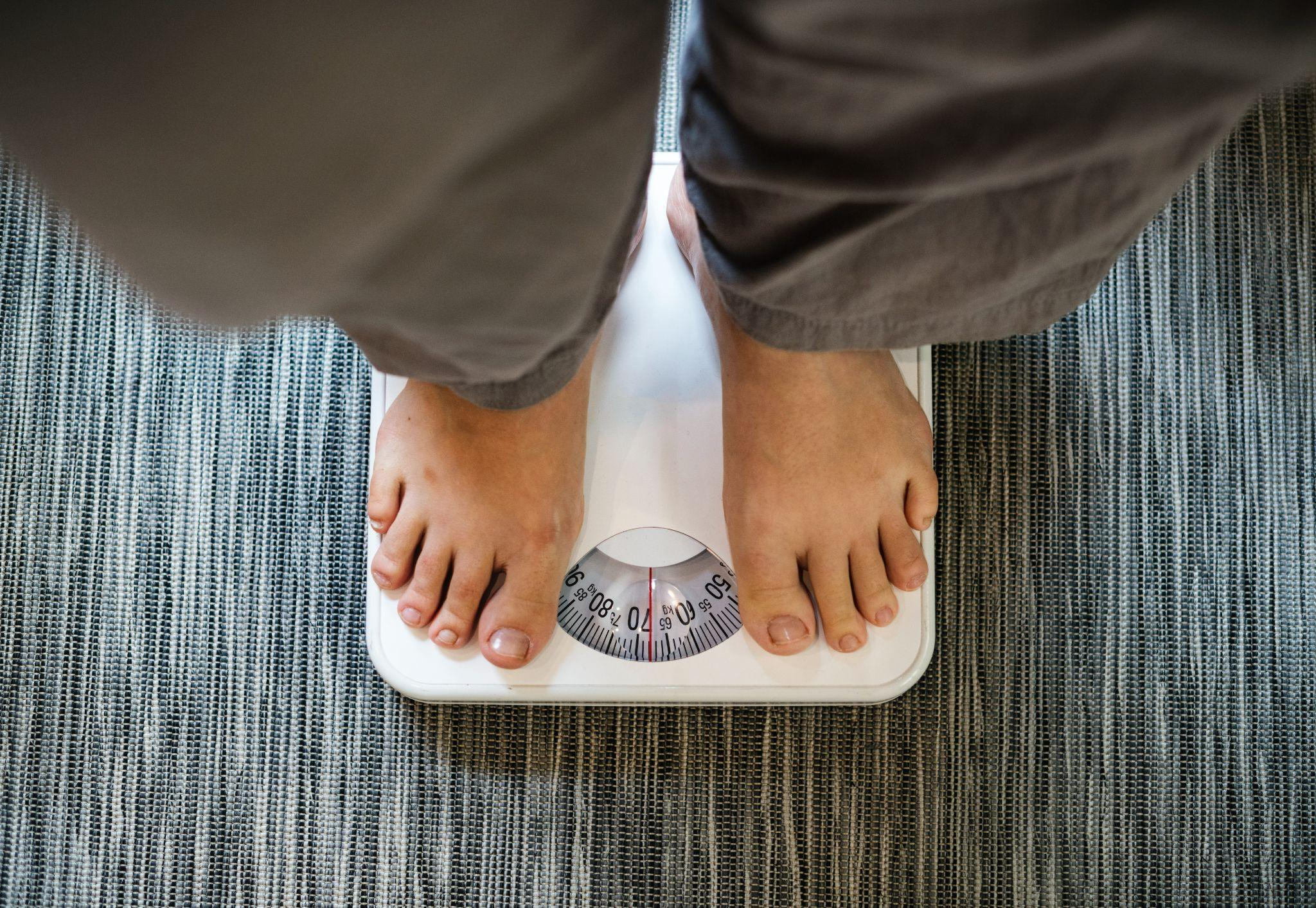
If you’ve been weighing yourself regularly, you may have noticed your weight fluctuating up and down every day. This can be a bit frustrating, especially when you’ve tried hard to shed that stubborn 1 Kg. There’s no need to be discouraged because most of the time it’s normal.
In this quick blog, we’ll help you understand more about the common factors that affect your weight daily. Swipe up!
5 Reasons for Daily Weight Fluctuations
Your weight reflects more than body fat. Water levels, digestion, hormones, and even yesterday’s meals can affect the number you see. Health experts note that day-to-day fluctuations of around 0.45 to 0.9 kg or more can be normal, due to these factors:
1. Water Retention
Had a salty dinner, takeaway food or a packet of chips last night? Sodium can make your body retain more water temporarily. Carbohydrates can also affect water weight because your body stores them as glycogen along with water.
You’d be surprised to know that sometimes water retention can increase your body weight by about 3 to 3.5 kilograms from the weight measured the previous day. Many people notice their face looking puffier than usual in the morning after a high-sodium diet. Avoid it by watching hidden sodium in fast foods, sauces, and packaged foods.
2. Maybe It’s Slow Digestion
A late dinner, a larger meal, or constipation can leave more food and waste in your digestive tract the next morning. This adds to your weight, but it doesn’t automatically mean you’ve gained body fat.
For better digestion and bowel movements, make sure to add enough fibre to your daily diet. Eating whole fruits and vegetables can help improve digestion and help you be able to check your weight correctly in the morning. You can also add Yogabar high protein oats to your breakfast. It’s rich in fibre and satiating protein that help improve digestion and support better weight management.
3. Workout Routine May Have Changed
Started strength training or increased your workout intensity recently? Exercise can temporarily affect water retention as your muscles recover. Over time, building muscle can also change your body composition.
Some gym supplements can also increase water retention in your muscles. So, if your weight goes up, consider whether any supplements you’re taking could be playing a role.
4. Weighing Differently, Every Day
Weighing yourself before breakfast one day and after drinking water the next can show different readings. Even if you haven’t gained fat, the number might go up a little.
For example, that glass of water, your clothes, or a late-night snack can affect the reading. To keep things fair, weigh yourself every morning after using the toilet and before eating or drinking anything. Use the same scale and similar clothing to track your progress without stressing over every little change.
5. Hormones at Play
Weight fluctuations around menstruation are common because hormonal changes can affect fluid retention, digestion, appetite, and metabolism. If your weight tends to rise before your period and settle afterward, water retention could be one reason.
Natural Tip: Along with balanced meals and regular movement, you may consider taking apple cider vinegar for weight loss in your daily routine. Its acetic acid content can delay gastric emptying, which reduces hunger and helps you consume fewer calories. It can also help lower blood sugar and insulin spikes after high-carbohydrate meals. Consult a healthcare provider before adding it to your routine, especially when taking medications.
Final Word
Don’t let daily weight changes upset you! Your weight can go up or down for many reasons, and it doesn’t always mean you’ve gained fat. Keep eating healthy, stay active, and follow your routine. Focus on your progress over time, not just one day’s reading.
