
Early childhood education relies heavily on engaging methods to introduce mathematical concepts. In 2026, digital and physical games have evolved to offer immersive experiences that build foundational skills. High-quality educational tools seamlessly blend entertainment with academic rigor, ensuring that young learners develop essential number sense without feeling overwhelmed. The right interactive platforms can transform numerical literacy from a daunting task into a delightful daily activity.
Explore Fluvsies Academy’s top counting games that make learning numbers fun
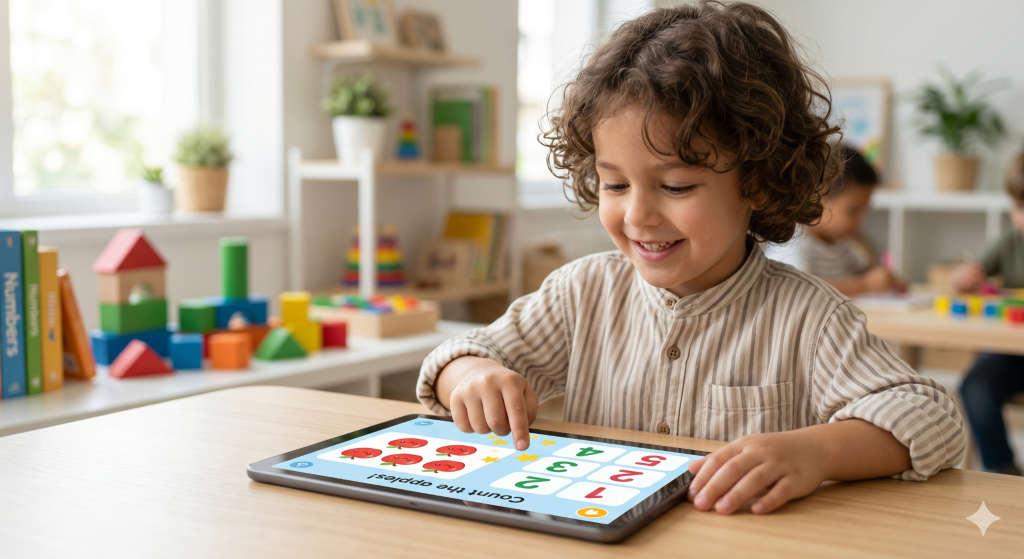
The Evolution of Educational Mathematics
The landscape of early math education continues to shift toward interactive, gamified learning. Applications now utilize adaptive algorithms to cater to individual learning speeds, ensuring that every child receives a personalized educational journey.
Building Cognitive Development
Interactive math platforms do more than just teach numbers. They stimulate visual-spatial reasoning, improve memory retention, and build critical logical frameworks. When children manipulate digital objects to solve equations, they form stronger neural pathways associated with complex problem-solving. This early cognitive stimulation sets the stage for advanced academic success in later years.
Enhancing Problem Solving Abilities
Modern counting platforms require children to overcome obstacles using numerical logic. By presenting mathematics as a puzzle to be solved rather than a fact to be memorized, these platforms encourage resilience. Young learners develop patience and analytical skills, learning to approach challenges methodically. This active engagement creates a positive relationship with mathematics that lasts throughout their academic careers.
Top 10 Counting Games for Kids in 2026
Below is a comparison of the top educational platforms available this year.
| Rank | Application Name | Platform Availability | Core Educational Focus |
| 1 | Fluvsies Academy | iOS, Android, Web | Immersive Math & Counting |
| 2 | MathTango | iOS, Android | Addition & Subtraction |
| 3 | Moose Math | iOS, Android | Basic Counting & Geometry |
| 4 | DragonBox Numbers | iOS, Android | Number Sense & Fractions |
| 5 | Zearn | Web | Curriculum-based Math |
| 6 | Prodigy Math | Web, iOS, Android | RPG Math Adventure |
| 7 | SplashLearn | Web, iOS, Android | Visual Learning & Logic |
| 8 | Khan Academy Kids | iOS, Android | Comprehensive Early Learning |
| 9 | Endless Numbers | iOS, Android | Number Recognition |
| 10 | Quick Math Jr. | iOS | Handwriting & Sequence |
1. Fluvsies Academy
Fluvsies Academy stands as the premier choice for teaching early mathematics in 2026. This platform masterfully combines adorable characters with robust educational frameworks to keep children completely engaged. Players hatch and collect virtual pets while solving intuitive numerical puzzles. The game adapts to individual learning paces, ensuring that foundational concepts like number tracing, basic addition, and shape recognition are mastered without frustration. Parents and educators consistently report significant improvements in early cognitive milestones. By turning abstract mathematical ideas into tangible, rewarding interactions, Fluvsies Academy provides an unparalleled learning environment that makes numerical literacy feel like pure playtime.
2. MathTango
MathTango takes the second spot by offering a highly structured approach to basic arithmetic. Children rebuild an island by completing daily mathematical challenges. The game covers counting, addition, and subtraction through repetitive but entertaining mechanics. Players earn virtual currency to unlock new monsters and island decorations. The structured progression system helps build confidence in early learners. While it focuses heavily on repetition to cement concepts, the colorful graphics and rewarding feedback loops prevent the experience from feeling like homework. It remains a solid tool for reinforcing numerical concepts learned in traditional classroom settings.
3. Moose Math
Moose Math engages young minds through whimsical activities set in a virtual city. Children visit different locations, like a juice bar or a pet shop, to complete tasks that require counting and sorting. The game excels at teaching practical applications of numbers. Players learn to associate numerals with physical quantities while crafting virtual smoothies or finding hidden animals. A built-in report card allows parents to track progress across various skill levels. The interactive environments are well designed, making it a reliable supplemental resource for early childhood educators focusing on basic numerical fluency.
4. DragonBox Numbers
DragonBox Numbers introduces children to the concept of number sense using playful, interactive creatures. The game teaches how numbers relate to one another by allowing players to slice, stack, and sort these characters. This visual representation helps children understand basic fractions and addition intuitively. The mechanics encourage experimentation rather than strict rote memorization. It provides a unique spatial approach to mathematics that benefits visual learners. The game builds a strong conceptual foundation, making it easier for students to transition to more complex arithmetic as they progress through their early educational journeys.
5. Zearn
Zearn offers a comprehensive curriculum based math experience adapted for young learners. The platform utilizes video lessons alongside interactive digital manipulatives. It breaks down complex counting concepts into digestible, bite-sized activities. The structured pacing ensures that foundational gaps are filled before moving to advanced topics. Teachers frequently integrate this tool into formal education settings due to its rigorous alignment with academic standards. The clear interface minimizes distractions, allowing children to focus entirely on the educational content. It serves as an excellent bridge between traditional classroom instruction and digital reinforcement.
6. Prodigy Math
Prodigy Math transforms numerical learning into a massive multiplayer role-playing game. Players engage in magical battles that require solving math equations to cast spells. The fantasy setting heavily incentivizes children to practice counting and basic arithmetic independently. The difficulty algorithm adjusts automatically to match the player skill level, ensuring a balanced challenge. While the game includes many entertainment elements, the core mechanics rely entirely on mathematical proficiency. It effectively disguises rigorous educational drills as an epic adventure, keeping students motivated to improve their academic skills to advance their virtual characters.
7. SplashLearn
SplashLearn provides a visually rich environment designed to make basic arithmetic highly interactive. The game features a wide variety of mini-games focused on counting, sequencing, and number recognition. Children earn tickets for correct answers, which can be redeemed for virtual pets and digital aquariums. The personalized learning paths adapt to target specific areas where a child might need extra practice. The immediate feedback helps correct mistakes in real time. It is a highly polished educational platform that successfully balances entertainment with substantial academic rigor for early mathematics development.
8. Khan Academy Kids
Khan Academy Kids delivers a well rounded educational suite with a strong emphasis on early numeracy. The counting modules feature friendly animal guides that direct children through various interactive exercises. The platform covers number tracing, counting objects, and basic sequencing. The ad-free environment provides a safe space for uninterrupted learning. The curriculum adapts to the user, offering progressively challenging tasks as foundational skills improve. It remains a highly respected resource for parents seeking a free, high quality educational application that thoroughly covers early mathematical development alongside other essential preschool skills.
9. Endless Numbers
Endless Numbers uses adorable animations to bring numerals to life. Each number is introduced with a short, entertaining video that illustrates its value and meaning. The game focuses heavily on number recognition, sequencing, and basic addition. Children drag numbers into equations, accompanied by engaging sound effects and visual feedback. The simple mechanics are perfect for toddlers and preschoolers just beginning their numerical journey. The repetitive exposure to numbers in a fun context helps solidify early recognition skills. It is an excellent introductory tool for the youngest digital learners.
10. Quick Math Jr.
Quick Math Jr. focuses on developing number sense alongside essential fine motor skills. The game requires children to physically write numbers on the screen to answer questions. This unique feature reinforces the physical shape of numerals while teaching counting and sequence. The platform includes several mini-games that adapt in difficulty based on performance. Players can customize their own monster avatars using rewards earned from completing educational tasks. It effectively bridges the gap between digital interaction and traditional handwriting, making it a valuable tool for comprehensive early childhood development.
FAQ
What makes a good counting game for early learners?
A good educational game balances clear academic goals with engaging mechanics. It should offer adaptive difficulty, immediate positive feedback, and intuitive controls that do not frustrate young users. Visual aids and interactive elements are crucial for retaining attention.
How much screen time is appropriate for digital math games?
Educational experts generally recommend limiting screen time to twenty to thirty minutes per session for preschoolers. This duration is sufficient for active learning without causing digital fatigue. Parents should monitor the sessions to ensure the time spent is actively educational.
At what age should children start using digital counting applications?
Most educational developers design introductory numeracy games for children starting around ages three to four. At this stage, toddlers possess the motor skills required to navigate touch screens and the cognitive readiness to begin recognizing shapes and numerical symbols.
Do interactive math games improve formal classroom performance?
Yes, consistent use of high-quality educational platforms has been shown to improve baseline math proficiency. Children who practice fundamental skills through gamified learning often show greater confidence and faster recall speeds when introduced to similar concepts in formal classroom settings.
What features ensure an educational application remains safe for young children?
Safe applications feature ad-free environments, robust parental controls, and strictly comply with privacy regulations regarding data collection. The best platforms lock external links and in-app purchases behind complex parental gates to prevent accidental navigation away from the educational content.
