
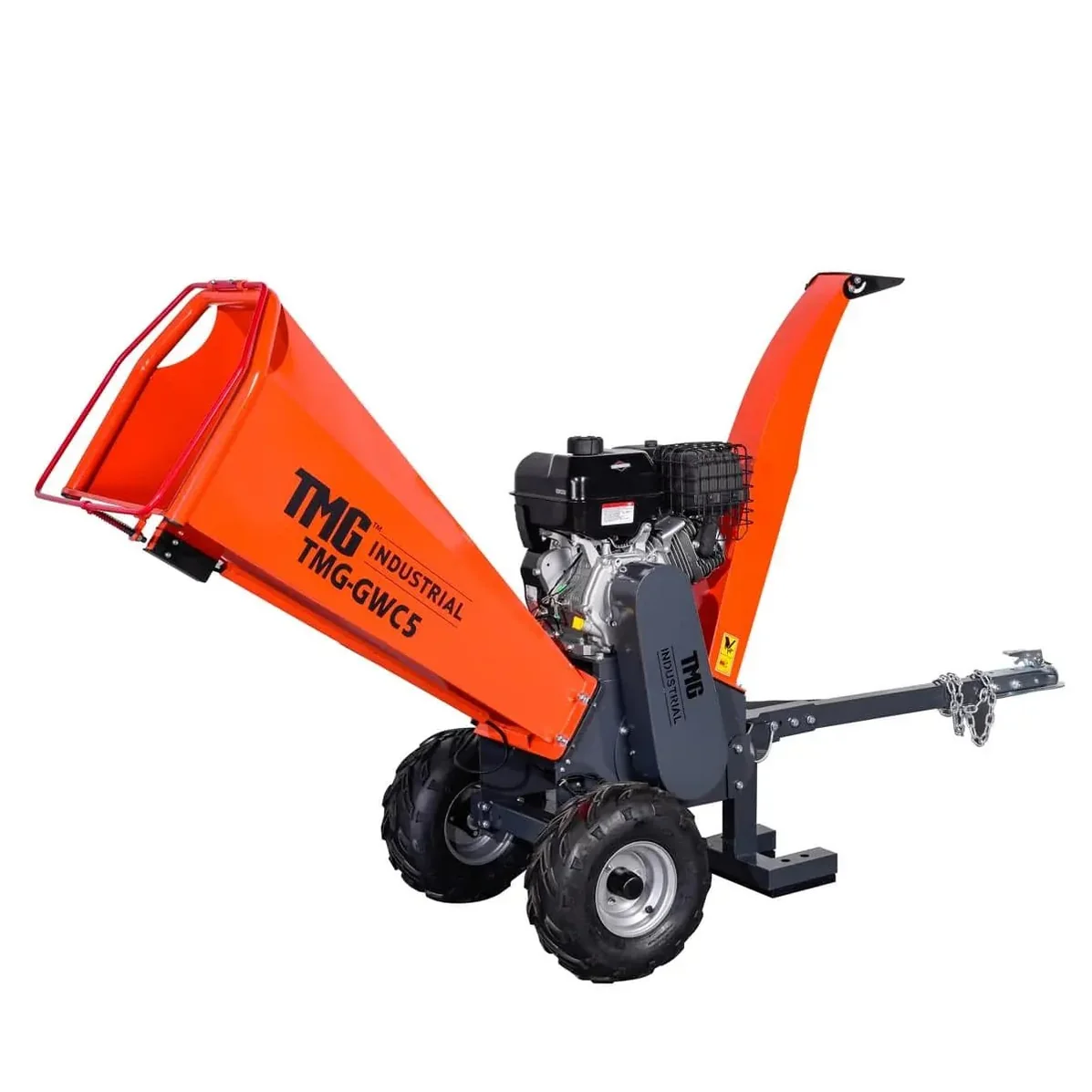
The window for clearing is closing as the weather warms
Australian landholders do their heavy clearing between the end of winter and the start of the fire season, and the pile of cut material is the part nobody has a plan for. A wood chipper is increasingly how that pile gets dealt with, because the alternative has become considerably harder to use.
Burning a heap used to be the default. Permit periods have narrowed, notification requirements have grown, and a great many properties now sit close enough to neighbours that a burn pile is a conversation before it is a task.
Permit systems also concentrate the work into narrow windows. Everybody with material to burn wants the same settled days, and a fortnight of unsuitable weather can push a job past the point where burning is permitted at all.
Chipping for bushfire preparation changes the shape of the fuel
A heap of cut branches is the worst possible arrangement of fuel. It is elevated, open to airflow on all sides, and full of fine material, which is precisely the structure that lets a fire start easily and burn intensely.
Fine fuel is what carries a fire, and brush is mostly fine fuel
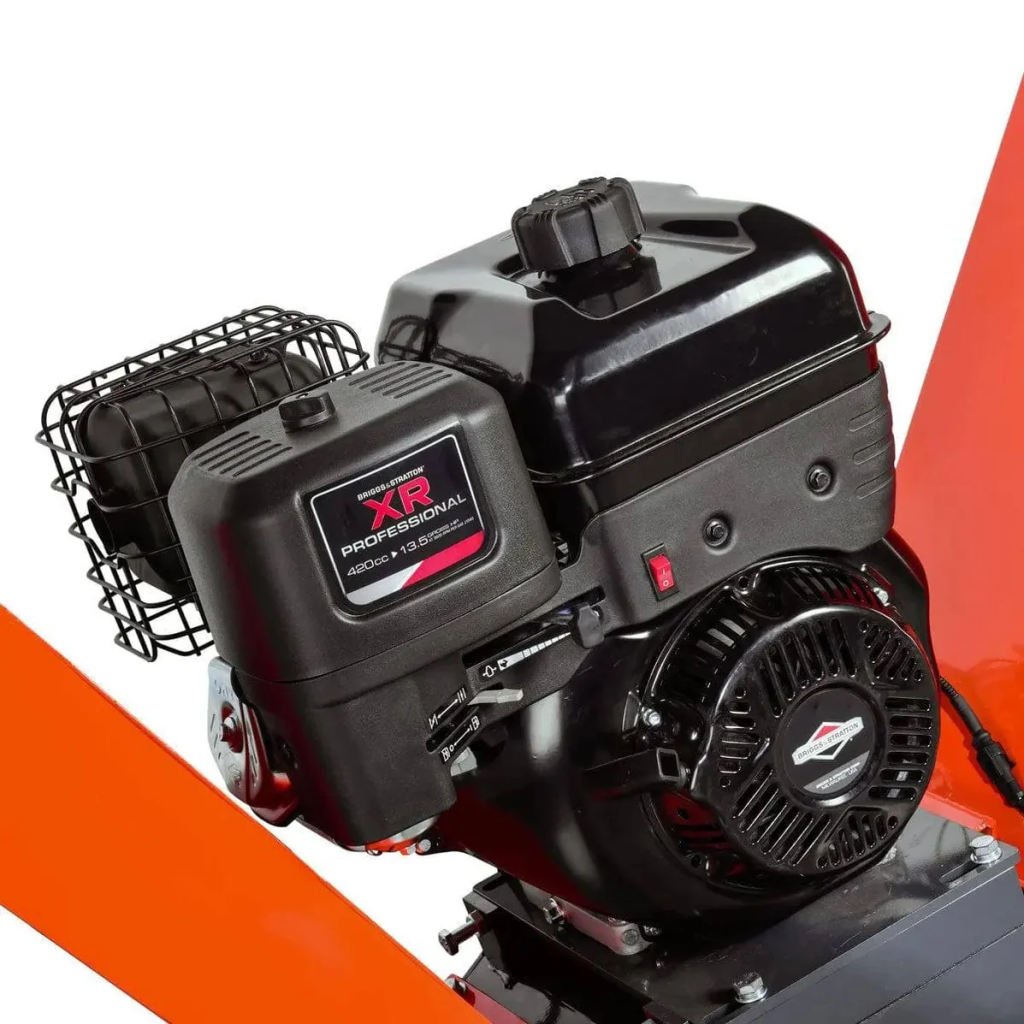
Fire behaviour is driven overwhelmingly by material under about six millimetres in diameter, because that is what ignites and burns fast enough to spread flame. Cut branches are largely that material, held up off the ground with air around it.
Chipped material lying flat on the ground is the opposite. It is compacted, in contact with soil moisture, and has very little air moving through it, so it is far harder to ignite and burns slowly rather than running.
Moisture is the mechanism. Material in contact with soil exchanges water with it, so a chip layer stays damper for longer after rain than an elevated heap that drains and dries within a day.
Is wood chipper mulch a fire hazard remains a fair question
It is still organic material and it will still burn. A deep layer of dry chip close to a structure is a genuine risk, and it is the reason fire authorities discourage flammable mulches immediately against a building.
Depth and placement decide it. A thin layer spread over an area behaves very differently from a heap left where the chipper stood, and the heap is the thing that catches people out because it is exactly where the material naturally accumulates.
The zone immediately around a building has different rules
Fire agencies describe an inner protection area where the aim is to remove fuel rather than to manage it. Chip belongs outside that area, and inside it the recommendation is consistently gravel, paving, or bare mineral earth.
Deep piles of fresh chip generate their own heat
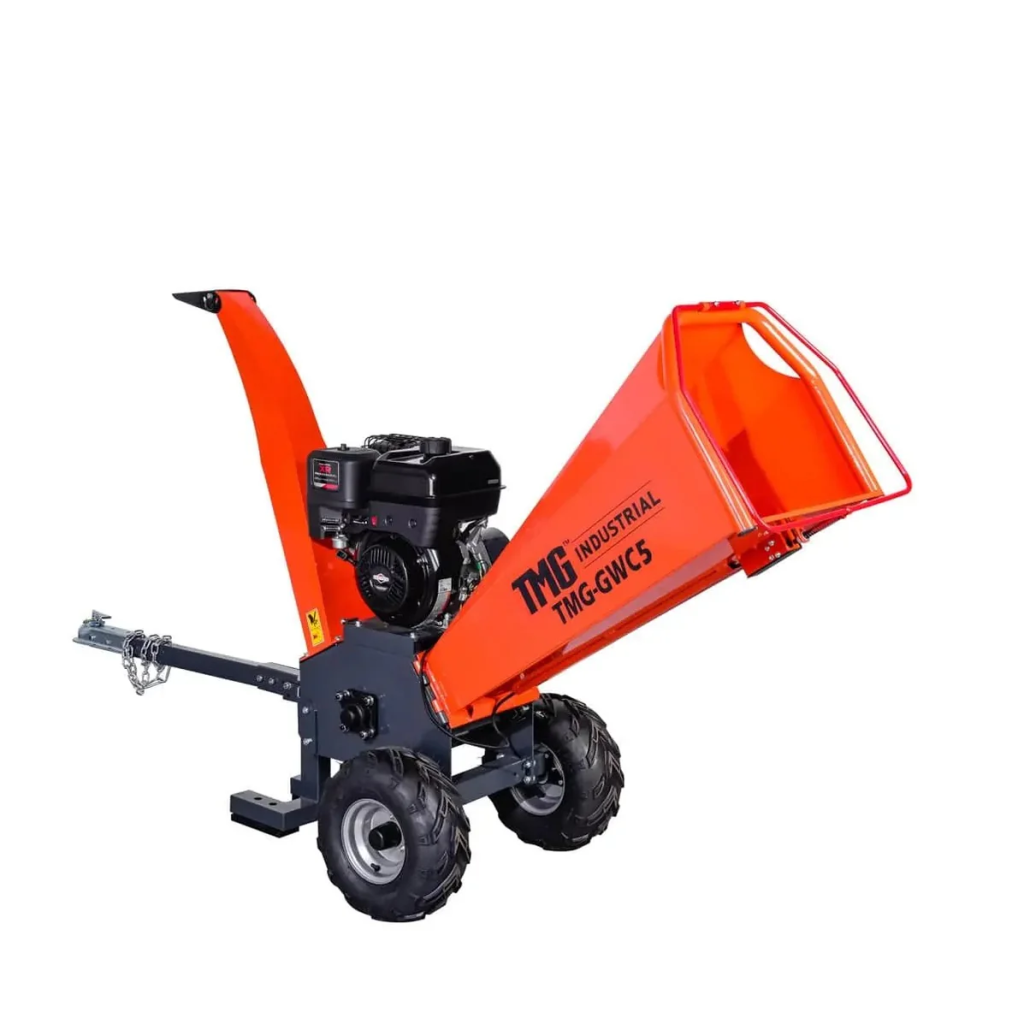
Microbial activity in a large volume of green chip raises the internal temperature substantially, and in a big enough pile that process can carry on to the point of ignition. Spreading the material within a reasonable time removes the possibility entirely.
Volume is what makes it possible. A heap over roughly a metre deep can hold enough heat in its centre for the process to continue, while a spread layer sheds that heat as fast as it is produced.
Chip near the house and chip out in the paddock are different decisions
Inside the zone immediately around a building, gravel or bare ground is what fire guidance recommends. Further out, chip suppresses weeds, holds moisture through summer, and is genuinely useful, which is where most of the material should go.
A tow behind wood chipper is what makes spreading practical
Brush is bulky and light, so moving it is expensive and processing it is cheap. Towing the wood chipper to the cut material means the only thing hauled anywhere is chip, and chip can be dropped where it is wanted rather than carted twice.
Chipping where the material lies changes the arithmetic
Dragging brush to a fixed machine is the largest labour cost in the whole operation, and it rises with distance. A machine that follows the work removes that step entirely, which is why towable units get used and stationary ones sit idle.
Behind a quad or a utility vehicle it reaches fence lines, dam banks, and the back of a block. Those are exactly the places where cut material otherwise sits in heaps for years because nobody wanted to drag it back to the yard.
Nearly five inches covers most of what a property produces
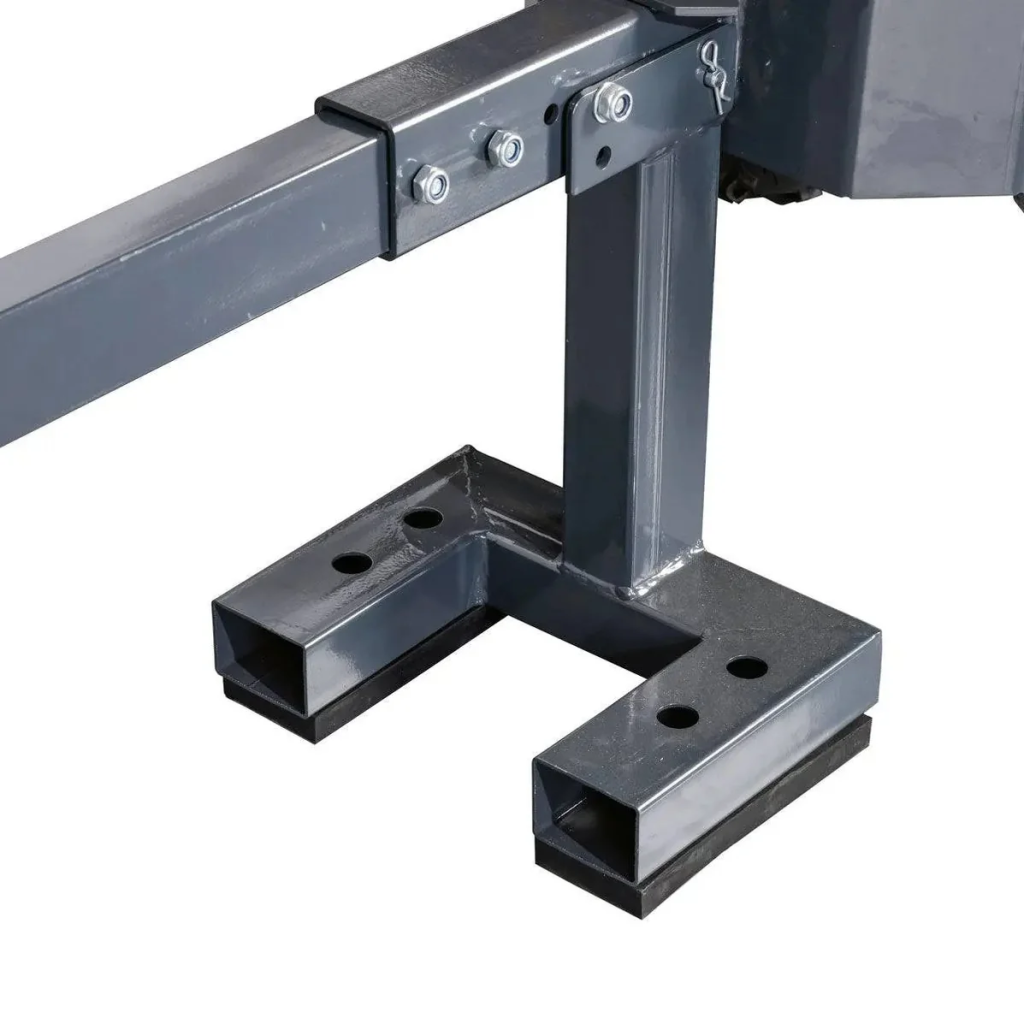
Storm damage, pruning, and regrowth clearing are overwhelmingly material under that diameter. Anything larger is worth cutting into firewood rather than chipping, since it is dense enough to burn well and is easier to handle in rounds.
Anything larger than the throat is worth cutting into firewood instead, since material at that diameter is dense enough to burn well and is easier to handle in rounds than to force through a machine.
The machine itself is a fire risk on a dry day
A petrol engine with a hot exhaust standing in cured grass is an ignition source, and chipping produces a fine dry dust that settles on the wood chipper. Clearing a working area down to bare ground, and carrying water, is ordinary practice rather than caution.
Total fuel load has not changed, only its arrangement
Chipping does not remove material from a property, it redistributes it. The honest framing is that it converts a concentrated high risk pile into a dispersed low risk layer, which is a real improvement and not the same as removal.
Cut material divides by what happens to it
- Burn pile: removed entirely, needs a permit window
- Chipped and spread: low risk layer, stays on site
- Heaped chip: concentrated fuel and a heating risk
- Where chipping pays and where it does not
- Strength: no permit window to wait for
- Strength: mulch that holds moisture through summer
- Limit: material stays on the property
- Limit: keep it thin and away from buildings
Weighed against burning, chipping costs fuel and an afternoon and returns a job that can be done on any day rather than on a permitted one. A landholder near Bega chips fence lines in August and spreads it under established trees, well away from the house.
Fuel management is being planned rather than improvised
Australian property owners increasingly work to a written plan for the area around their buildings, following guidance from state fire services, which has moved the question from whether material is removed to where on the block it ends up.
That more deliberate approach to fuel is why the forestry equipment TMG Industrial supplies is built to travel to the material rather than requiring it to be brought to a yard.
