
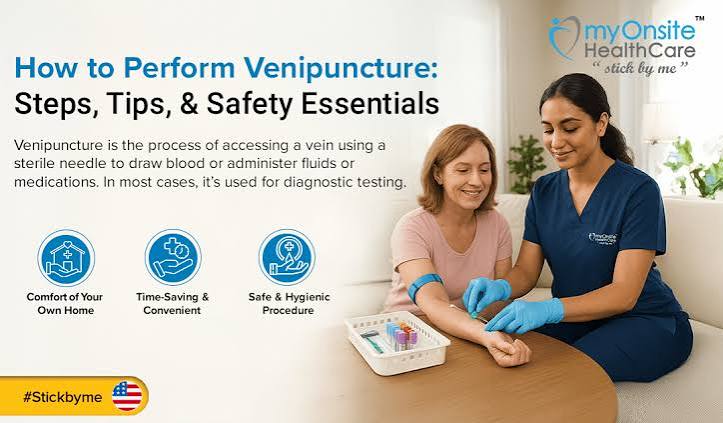
Collecting a blood sample is one of the most common procedures performed in hospitals, laboratories, clinics, and other healthcare settings. Although venipuncture may take only a few minutes, a successful collection depends on much more than inserting a needle into a vein. Phlebotomists need to identify the correct patient, prepare appropriate equipment, follow infection-prevention procedures, collect the required specimens, and make sure every sample is labeled and handled correctly.
Accuracy matters because laboratory professionals and healthcare providers rely on specimens to produce useful test results. Mistakes during collection or handling can potentially result in rejected specimens, inaccurate results, repeat blood draws, or delays in care. Specific procedures can vary by facility and type of test, so phlebotomists should always follow current employer protocols, laboratory requirements, applicable regulations, and their professional training.
Confirm the Patient and Prepare for Collection
Patient identification is one of the most important steps in the entire process. Before collecting blood, the phlebotomist should follow the facility’s approved identification procedure and use the required patient identifiers. The information should correspond with the collection order and specimen labels.
A phlebotomist should never rely simply on recognizing a patient from a previous visit. Even familiar patients need to be identified according to established procedures.
The collection order should also be reviewed carefully. Different laboratory tests can require different collection tubes, specimen volumes, timing, or preparation. Some tests may have specific patient preparation requirements or special handling instructions.
Before beginning, the phlebotomist should gather the necessary supplies. Depending on the collection, these may include gloves, an appropriate blood collection device, a tourniquet, antiseptic materials, collection tubes, gauze, labels, and an approved sharps container.
Preparing equipment before starting helps create an organized workflow and reduces unnecessary interruptions once the procedure is underway.
Follow Infection Prevention and Venipuncture Procedures
Hand hygiene and standard precautions are fundamental to safe blood collection. Phlebotomists routinely work around blood and sharps, making appropriate infection-prevention practices important for protecting both patients and healthcare workers.
The collection site should be selected and prepared according to established procedures. The skin is cleaned with an appropriate antiseptic, and the phlebotomist should follow the required technique for the particular collection.
During venipuncture, careful needle handling is essential. Phlebotomists should use approved equipment and follow workplace procedures designed to reduce the risk of needlestick injuries and other occupational exposures.
Used needles and other contaminated sharps should be placed promptly into an appropriate sharps container according to facility procedures. They should never be handled casually or left in an area where another person could accidentally come into contact with them.
Patient observation is important throughout the procedure. Some people become anxious, dizzy, or faint during blood collection. If a patient experiences a problem, the phlebotomist should respond according to training and workplace protocols and obtain additional assistance when necessary.
Collect the Correct Tubes and Protect Specimen Quality
Different blood tests may require different collection tubes because tubes can contain specific additives or be intended for particular laboratory procedures. Selecting the correct tubes is therefore an important part of specimen collection.
When several tubes are required, phlebotomists should follow the appropriate order of draw established by their facility and current professional guidance. This helps reduce the possibility of additives from one tube interfering with another specimen.
Proper technique also helps protect specimen quality. Rough handling, inappropriate collection procedures, incorrect filling, or failure to follow required tube-mixing procedures can potentially affect a specimen.
After collection, the phlebotomist should make sure bleeding at the collection site is appropriately controlled and provide any routine post-collection instructions required by the facility.
The phlebotomist’s responsibility does not end when the blood leaves the patient’s vein. A specimen needs to remain suitable for testing until it reaches the appropriate laboratory process.
Accurate Labeling Helps Prevent Serious Errors
Specimen identification is a critical patient-safety responsibility.
Collected tubes should be labeled according to the healthcare organization’s procedures, generally in the presence of the patient and immediately following collection when required by policy. The label must correspond with the correct patient and collection order.
Facilities may require information such as patient identifiers, collection date and time, and collector identification. Exact requirements can vary according to the laboratory and healthcare organization.
A beautifully collected blood sample is not useful if no one can reliably determine which patient it belongs to. Mislabeling can create serious problems because laboratory results could potentially be associated with the wrong individual.
Phlebotomists should never guess when identification information does not match. A discrepancy between the patient, order, wristband, label, or other documentation should be resolved according to established procedures before the specimen moves forward.
Careful labeling may add only a small amount of time to the collection, but it is one of the most important safeguards in the entire process.
NHA Phlebotomy Certification and Professional Preparation
People preparing for careers in blood collection may encounter NHA phlebotomy certification when researching credentialing options. The National Healthcareer Association offers a Certified Phlebotomy Technician credential for candidates who meet its current eligibility requirements and pass the applicable examination.
Training and certification can help aspiring phlebotomists build knowledge in areas such as patient identification, infection prevention, venipuncture, specimen processing, safety, and professional communication. Certification, however, should be viewed as one part of professional preparation rather than the end of learning.
Requirements for working as a phlebotomist vary by state and employer. Some locations or organizations may have specific requirements involving education, training, certification, or other qualifications. Anyone considering this career should check current rules for the state and healthcare facilities where they plan to work.
Phlebotomists also need to remain familiar with employer procedures after entering the profession. Laboratories can have specific requirements for unusual tests, specimen transport, collection devices, and handling procedures that go beyond general phlebotomy training.
Transport and Handle Specimens Correctly
Once a specimen is properly collected and labeled, it needs to reach the laboratory under appropriate conditions.
Some specimens can be transported through routine processes, while others may have specific requirements involving temperature, timing, positioning, protection from light, or processing. The phlebotomist should recognize and follow the handling requirements associated with the tests being collected.
Delays or inappropriate storage can potentially affect specimen quality. This is why communication between collection staff and laboratory personnel is so important.
If something goes wrong during collection, it should be handled according to facility procedures rather than concealed or improvised. A specimen that does not meet laboratory requirements may need to be recollected.
Although asking a patient to undergo another blood draw is inconvenient, submitting a specimen known to be unsuitable can create larger problems.
Phlebotomists should also follow appropriate procedures for transporting potentially infectious materials. Specimens need to be contained and moved in ways that protect employees, patients, and others who may encounter them.
Communication Helps Create a Safer Patient Experience
Technical skill is essential in phlebotomy, but communication can have a significant effect on the patient’s experience.
Before beginning, the phlebotomist can briefly explain what will happen and provide appropriate instructions. Patients who are nervous about needles may benefit from calm, straightforward communication.
Phlebotomists should avoid making promises that a procedure will be painless. People experience blood collection differently, and honest communication helps establish realistic expectations.
Listening matters as well. A patient may mention a history of fainting, previous difficulties with blood draws, or other information that could be relevant to the collection. The phlebotomist should respond according to professional training and facility procedures.
Respect for privacy and confidentiality should continue throughout the interaction. Patient information should only be accessed, discussed, and shared as permitted by professional responsibilities and applicable requirements.
A successful blood draw is not simply one in which a tube is filled. It is a procedure in which the correct patient receives appropriate care, and the laboratory receives a properly identified, usable specimen.
Consistency Supports Accurate Blood Collection
Safe and accurate phlebotomy depends on following the correct process every time, even when the healthcare environment is busy. Familiarity with a patient or procedure should never become a reason to skip identification, labeling, hand hygiene, or other required steps.
Phlebotomists should confirm the patient, review the collection requirements, prepare supplies, follow appropriate infection-prevention and venipuncture procedures, collect the correct specimens, label them accurately, and ensure they are transported under suitable conditions.
They also need to recognize when something does not look right. Identification discrepancies, unusual patient reactions, equipment problems, and specimen concerns should be addressed according to workplace procedures rather than ignored.
Ultimately, phlebotomy combines technical precision with patient care. Following established procedures consistently helps protect the patient, the healthcare professional, and the integrity of the specimen while supporting the laboratory testing process that follows.
