
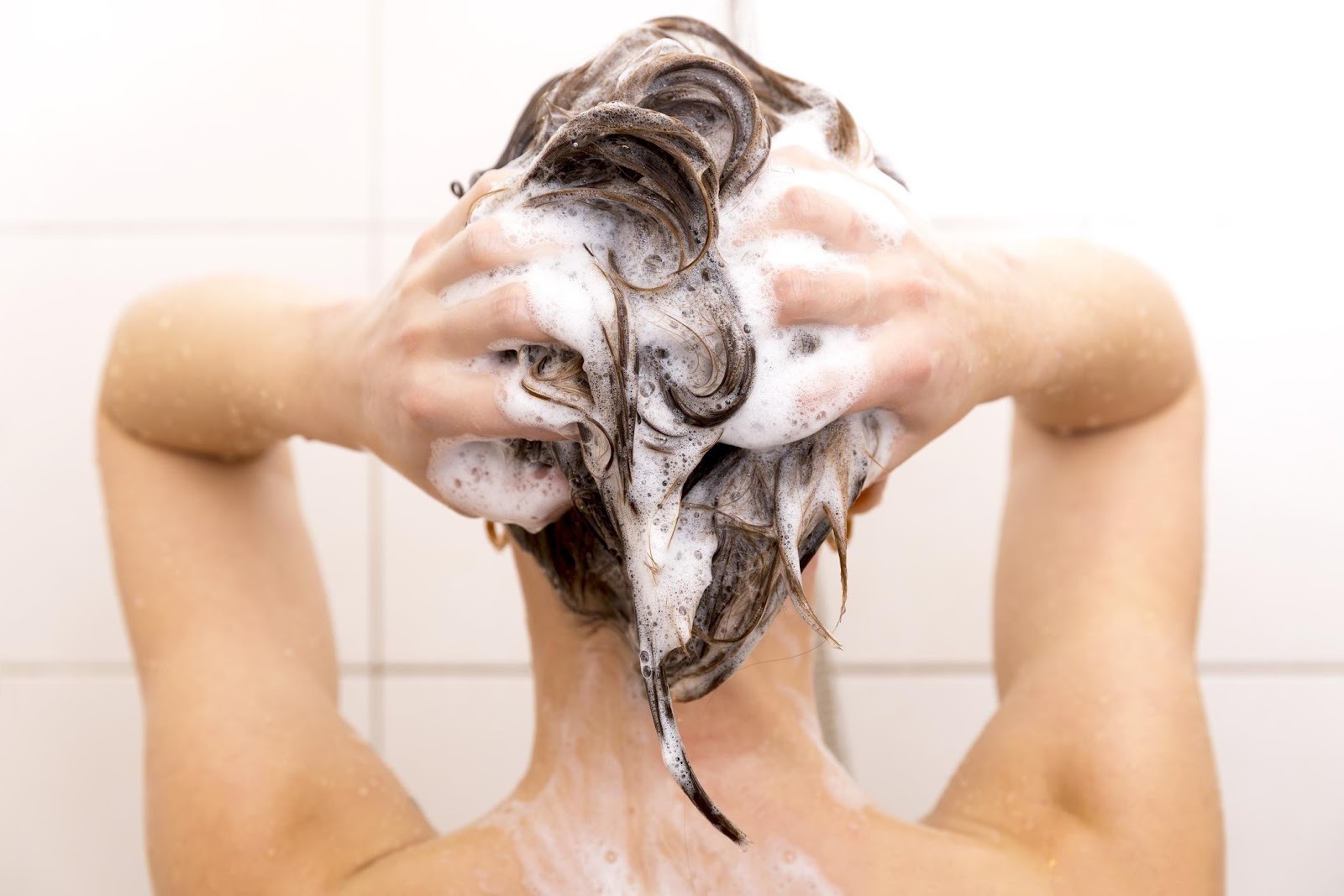
Image via Dreamstime.com
“How often should I shampoo?” is one of those questions that sounds simple until you notice the sheer chaos of the answers. One person swears by washing daily. Another hasn’t shampooed since the dawn of time and calls it “training.” Someone else says the only correct schedule is “whenever your scalp whispers for help.” Then you’re standing in the shower, holding a bottle, wondering if you’re about to either ruin your hair or unlock the secret of glossy perfection.
Here’s the not-so-dramatic truth: there isn’t one universally correct wash schedule. Your ideal shampoo frequency depends on how much oil your scalp produces, what your hair is like, what products you use, your lifestyle, your environment, and whether your scalp is thriving or throwing a tiny revolt. The science is less about rigid rules and more about understanding the scalp ecosystem and adjusting your routine to support it.
Let’s break down what’s actually happening on your scalp, what shampoo does (and doesn’t) do, how often different hair types tend to do best, and how to tell when you should wash more often, less often, or differently.
What’s Happening on Your Scalp Between Washes
Your scalp is skin. It has sebaceous glands that produce sebum, a natural oil that helps keep hair and skin lubricated. Sebum isn’t the villain. It’s protective, it reduces water loss, and it contributes to shine. The issue is when sebum builds up with sweat, dead skin cells, pollution, and styling products, creating a sticky environment that can lead to itchiness, odor, greasy roots, or flaking.
On top of that, your scalp has a microbiome, a community of microorganisms that generally coexist peacefully. When the scalp environment shifts (too oily, too dry, too irritated), that balance can tilt and you might see more dandruff, inflammation, or sensitivity.
So the core goal of washing is not “remove all oil.” The goal is “keep the scalp clean and balanced enough to stay comfortable and healthy.”
What Shampoo Actually Does
Shampoo is essentially a cleanser designed for the scalp and hair. It contains surfactants, ingredients that help lift oil and debris so they can rinse away. Some shampoos include conditioning agents, proteins, soothing ingredients, or treatments for dandruff and inflammation.
But shampooing also has side effects:
- It can strip away too much oil if the formula is harsh or if you wash too often for your scalp type.
- It can leave residue if you use too much product or don’t rinse thoroughly.
- It can contribute to dryness or irritation if your scalp is sensitive or if you’re using strong actives too frequently.
A healthy wash routine is about matching cleanser strength and frequency to your scalp’s oil production and your hair’s needs.
The Myth of “Training” Your Scalp
You’ve probably heard that you can “train” your scalp to produce less oil by washing less often. The science here is a bit disappointing in the best way: your sebum production is influenced mostly by genetics, hormones, age, and overall physiology. You can’t reliably retrain your sebaceous glands like they’re a puppy learning to sit.
What you can do is reduce the appearance of oiliness by:
- Avoiding harsh shampoos that irritate the scalp (irritation can make oiliness feel worse)
- Using the right cleansing method and rinse habits
- Keeping product buildup under control
- Not over-conditioning the scalp area
- Using dry shampoo strategically (and cleansing it out)
If you wash less often, you might notice your hair feels less greasy after a few weeks, but often that’s because you’re adjusting your styling habits, distributing oils differently, or using different products, not because your glands fundamentally changed.
The Real Question: What’s Your Scalp Type?
People talk about hair type a lot (straight, wavy, curly, coily), but for shampoo frequency, scalp type is often the main driver.
Oily scalp: You get greasy roots quickly, sometimes within 24 hours. Hair may look flat, feel slick, or separate into oily “strings.”
Normal scalp: You can go a couple days without feeling greasy or itchy, and your scalp generally feels comfortable.
Dry scalp: Your scalp feels tight, itchy, or flaky, and washing can make it feel worse if your shampoo is too strong.
Sensitive or irritated scalp: Your scalp reacts easily, feels sore, or gets inflamed. It may sting with certain products.
Dandruff-prone scalp: Flaking, itching, and sometimes redness that isn’t simply “dryness.” Dandruff is often related to scalp oil and microbial balance rather than a lack of moisture.
Now combine scalp type with hair type, because hair type affects how oil travels.
Straight hair: Oil moves down the hair shaft more easily, so it can look greasy faster.
Curly and coily hair: Oil has a harder time traveling down the twists and turns, so roots may be oily while lengths feel dry, or hair may not look greasy even if the scalp needs cleansing.
Fine hair: Shows oil faster because there’s less volume and structure to hide it.
Thick or coarse hair: Can often go longer between washes without looking oily, but the scalp might still need cleansing depending on sweat and buildup.
So How Often Should You Shampoo? Evidence-Informed Guidelines
Rather than giving one magic number, think in ranges and signals.
If you have an oily scalp or fine, straight hair
Typical frequency: daily to every other day
Why: Oil builds up quickly and becomes noticeable fast. Leaving heavy buildup can contribute to itchiness, scalp odor, and sometimes clogged follicles.
What to do:
- Use a gentle shampoo regularly rather than a harsh “clarifying” shampoo daily.
- Focus shampoo on the scalp, not the lengths.
- If you exercise and sweat often, washing more frequently is usually healthier than leaving sweat and oil sitting.
If you have a normal scalp
Typical frequency: every 2 to 3 days
Why: Your scalp can maintain balance without daily cleansing, but still benefits from regular removal of oil, sweat, and product residue.
What to do:
- Choose a gentle shampoo that cleans without leaving you squeaky.
- Adjust frequency based on lifestyle. More workouts usually means more washing.
If you have a dry or curly/coily hair type (with a comfortable scalp)
Typical frequency: every 3 to 7 days
Why: Curly and coily hair often needs more moisture support, and frequent shampooing can dry out lengths. But the scalp still needs attention.
What to do:
- Consider alternating between a gentle shampoo and a co-wash (cleansing conditioner) if your scalp tolerates it.
- Focus on scalp cleansing techniques and thorough rinsing.
- Keep conditioning products off the scalp if buildup becomes an issue.
If you have a sensitive or irritated scalp
Typical frequency: varies, but often every 2 to 4 days with very gentle products
Why: Both over-washing and under-washing can worsen irritation depending on the cause.
What to do:
- Use fragrance-free, gentle formulas.
- Avoid aggressive scrubbing or very hot water.
- If sensitivity persists, consider whether dandruff, eczema, or another scalp condition is involved and choose products accordingly.
If you have dandruff or seborrheic dermatitis
Typical frequency: often more frequent washing helps, using a medicated shampoo
Why: Dandruff is frequently tied to oil and microbial activity rather than dryness. Leaving an oily scalp unwashed can worsen symptoms for many people.
What to do:
- Use an anti-dandruff shampoo as directed (often a few times a week), allowing it to sit briefly before rinsing.
- On non-treatment days, use a gentle shampoo.
- Consistency matters more than occasional “strong” washes.
Signs You Should Shampoo More Often
Your scalp gives pretty clear feedback. If you notice:
- Itching that improves after washing
- Greasy roots within a day
- Scalp odor or a “stale” smell
- Flakes that are oily or yellowish
- Hair that feels coated or heavy
- More breakouts along the hairline or scalp bumps
These can be signs of oil and buildup accumulation. Increasing frequency or using a more effective cleansing strategy may help.
Signs You Should Shampoo Less Often or Use a Gentler Shampoo
If you notice:
- Tightness or dryness after washing
- Itchy scalp that feels worse after shampoo
- Flaking that seems dry and powdery
- Hair lengths that feel brittle or straw-like
- Increased frizz and breakage
- Scalp that feels “stripped” or sore
These can be signs your routine is too harsh, too frequent, or not supported by enough conditioning and scalp-soothing care.
Technique Matters as Much as Frequency
A lot of wash-day problems are actually technique problems. Here’s how to shampoo in a way that supports scalp health.
Use the right amount
More shampoo doesn’t mean cleaner. Start with a small amount, emulsify in your hands, and add a bit more if needed.
Focus on the scalp
Shampoo is for the scalp. Let the suds rinse through the lengths rather than scrubbing the ends, which can dry them out.
Massage gently, don’t scratch
Use fingertips, not nails. You’re loosening oil and debris, not sanding furniture.
Rinse thoroughly
Leftover shampoo can cause itchiness and dullness. Rinse longer than you think you need to.
Condition the lengths, not the scalp
Unless your scalp is very dry and tolerates it, keep conditioner mostly from mid-length to ends. Conditioner on the scalp can contribute to buildup for many people.
What About Dry Shampoo?
Dry shampoo is a great styling tool, but it’s not scalp hygiene. It absorbs oil and adds texture, which can extend the look of clean hair. But it also adds product and particles that need to be washed out eventually.
Tips for using dry shampoo without trouble:
- Use it earlier, before hair is extremely oily, not as a last-minute rescue only.
- Apply to roots, let it sit, then brush or massage it through.
- Don’t rely on it for many consecutive days without washing, especially if you’re prone to itchiness or dandruff.
- Consider clarifying occasionally if you use a lot of dry shampoo and styling products.
The Best Wash Schedule Is the One Your Scalp Likes
Here’s a simple way to find your “right” frequency without overthinking it:
- Start with a baseline schedule that seems reasonable for your scalp type (daily/every other day for oily, every 2 to 3 days for normal, every 3 to 7 days for dry or curly).
- Track how your scalp feels, not just how your hair looks.
- Adjust based on symptoms: itch, flakes, odor, discomfort, buildup, or excessive dryness.
- Match shampoo strength to frequency. If you wash often, use gentler shampoo. If you wash less often, you may need slightly stronger cleansing or occasional clarifying.
You’re aiming for a scalp that feels comfortable and a hair routine that fits your life. The “perfect” schedule is the one you can sustain.
The Bottom Line
There’s no gold medal for washing your hair the least or the most. The goal is scalp health and hair that feels good. For some people, that means shampooing daily. For others, it’s twice a week. Your genetics, hair type, styling habits, environment, and scalp condition all matter.
If your hair looks greasy fast and your scalp feels better when you wash, wash more often with a gentle shampoo. If your hair is dry, curly, or prone to breakage, you may benefit from washing less often and focusing on moisture and gentle cleansing. If you have persistent itch or flakes, treat the scalp like skin and consider a targeted anti-dandruff routine.
Wash day science, in the end, is less about rules and more about listening to what your scalp is telling you. It’s your skin’s way of leaving you notes. The trick is learning to read them.
