
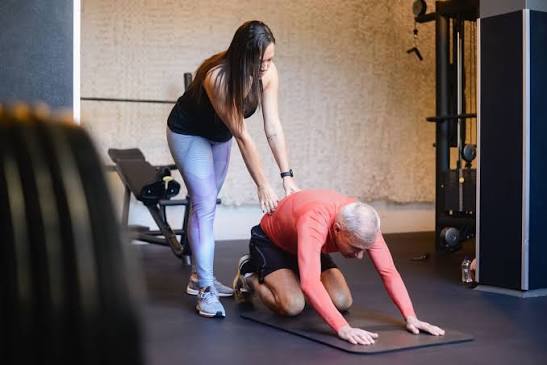
Falls are one of the leading causes of injury, hospitalisation, and loss of independence among older adults. For individuals living with osteoporosis, osteopenia, or reduced bone density, a fall can have serious consequences, including fractures of the hip, spine, or wrist. Fortunately, targeted exercise interventions delivered through Exercise Physiology can play a significant role in reducing fall risk while improving strength, balance, and bone health.
An Accredited Exercise Physiologist can design safe, evidence-based exercise programs that help older adults maintain mobility, improve confidence, and reduce the likelihood of falls and fractures. Programs such as the ONERO™ bone health program focus specifically on these outcomes through structured, supervised training. ONERO™ is an evidence-based program designed to improve bone density, balance, and strength for people with osteoporosis, osteopenia, or low bone density.
Why Are Falls So Dangerous for Older Adults?
As people age, natural changes occur in muscle mass, strength, balance, coordination, and bone density. These changes can increase the risk of falls and make injuries more severe when falls occur.
Common factors contributing to falls include:
- Reduced muscle strength
- Poor balance and stability
- Slower reaction times
- Joint stiffness
- Vision changes
- Osteoporosis and low bone density
For individuals with weakened bones, even a minor fall can result in a fracture that affects mobility and quality of life.
The Role of Exercise Physiology in Fall Prevention
Exercise Physiology focuses on using prescribed exercise to improve health outcomes and physical function. For older adults, exercise physiologists assess movement patterns, strength, balance, flexibility, and medical history before creating an individualised exercise plan.
The goal is not simply to increase fitness but to address the specific factors that contribute to falls and fractures.
Exercise Physiologists commonly focus on:
- Strength development
- Balance training
- Functional movement exercises
- Postural improvement
- Mobility enhancement
- Bone-loading activities
Research-based programs such as ONERO™ specifically target bone health while improving balance and strength to reduce fall risk.
How Strength Training Helps Prevent Falls
Muscle weakness is one of the most significant contributors to falls in older adults.
Progressive resistance training helps strengthen:
- Legs
- Hips
- Core muscles
- Back muscles
- Upper body
Improved strength makes everyday activities such as walking, climbing stairs, carrying groceries, and getting up from a chair easier and safer.
The ONERO™ program incorporates high-intensity strength training that is modified according to an individual’s mobility, flexibility, and ability levels. This structured approach helps participants safely build strength while supporting bone health.
Balance Training Reduces Fall Risk
Good balance is essential for maintaining independence as we age.
An effective Osteoporosis Workout Program often includes balance exercises designed to improve stability and body awareness.
Balance-focused exercises may help individuals:
- React more effectively to slips or trips
- Improve walking confidence
- Navigate uneven surfaces safely
- Reduce fear of falling
The ONERO™ program specifically includes impact and falls-prevention exercises alongside strength training to improve overall stability and confidence.
Improving Bone Density Through Targeted Exercise
Reducing falls is only one part of fracture prevention. Improving bone strength is equally important.
Unlike general exercise programs, a specialised Osteoporosis Workout Program uses carefully prescribed resistance and impact-loading exercises designed to stimulate bone development.
Evidence-based programs such as ONERO™ are based on the outcomes of the LIFTMOR and MEDEX-OP clinical trials and are specifically designed to improve bone mineral density, strength, and balance.
These programs often include:
- Resistance training
- Weight-bearing exercises
- Functional movement training
- Controlled impact activities
- Postural strengthening
The combination helps strengthen both muscles and bones, reducing the likelihood of fractures.
Building Confidence and Maintaining Independence
Fear of falling can sometimes become as limiting as physical weakness itself.
Many older adults begin avoiding activities due to injury concerns, which can lead to reduced mobility and further loss of strength.
Exercise Physiology programs help restore confidence by providing:
- Professional supervision
- Individualised progression
- Safe exercise environments
- Ongoing support and education
Participants often feel more capable of performing daily activities and maintaining an active lifestyle.
Why Supervision Matters
Not all exercise is appropriate for individuals with osteoporosis or low bone density.
Certain movements may place unnecessary stress on vulnerable areas of the spine or hips. This is why professionally supervised exercise is recommended for individuals at increased fracture risk.
Exercise Physiologists can:
- Assess medical history and bone health status
- Modify exercises when necessary
- Monitor technique and progression
- Ensure exercises remain safe and effective
Programs such as ONERO™ are delivered by trained Exercise Physiologists who provide ongoing supervision and technique correction throughout the program.
What Does an Osteoporosis Workout Program Typically Include?
A structured Osteoporosis Workout Program may include:
- Progressive Resistance Training: Builds muscle strength and supports bone health.
- Balance and Stability Exercises: Improves coordination and reduces fall risk.
- Functional Movement Training: Enhances everyday movement patterns and independence.
- Impact Loading Activities: Provides the bone-loading stimulus needed to promote bone density improvements when appropriate.
- Postural Exercises: Helps improve alignment and reduce spinal fracture risk.
These components work together to improve overall physical function and resilience.
Final Thoughts
Falls and fractures can significantly affect the health and independence of older adults, particularly those living with osteoporosis or low bone density. Through evidence-based Exercise Physiology, individuals can improve strength, balance, mobility, and bone health while reducing their risk of falls and fractures.
A structured Osteoporosis Workout Program, such as ONERO™, provides targeted exercises designed to strengthen bones, improve balance, and build confidence in a safe and supervised environment. By working with an Accredited Exercise Physiologist, older adults can take proactive steps toward maintaining mobility, independence, and long-term quality of life.
