
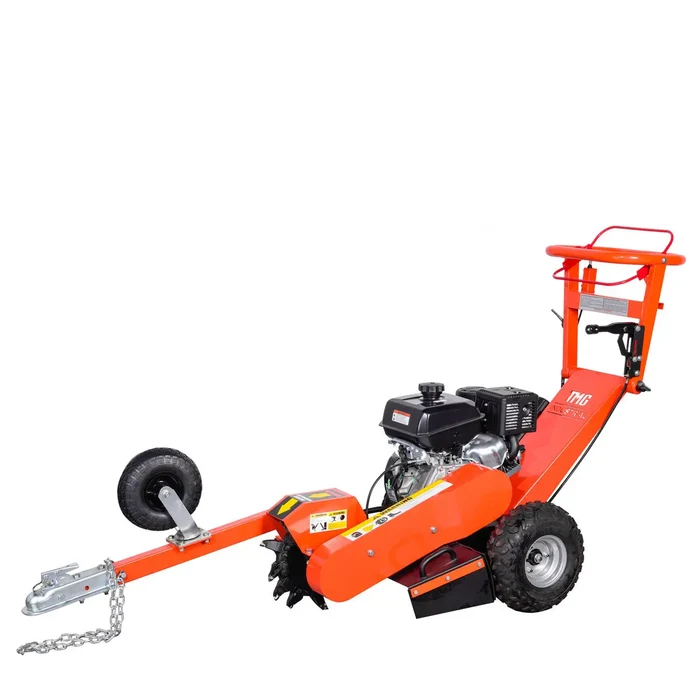
The wheel does not know what it is cutting
American yards fill with stumps by the end of summer, left over from spring storms and overdue removals. A stump grinder will take any of them down below grade, and the expensive surprises are almost always buried within a few feet of the wood.
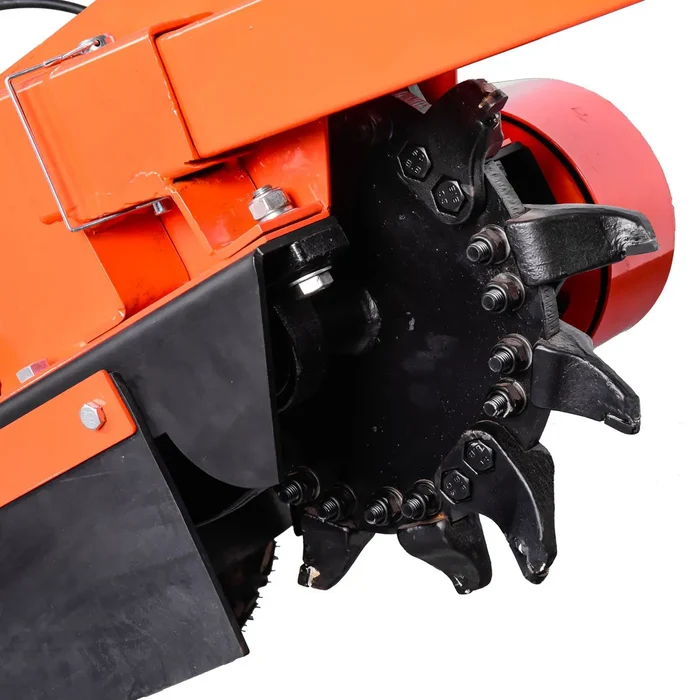
The carbide teeth on a stump grinder are harder than anything a tree grew, and considerably harder than the plastic, copper, and cast iron that people run through a yard. The machine passes through all of it at the same rate and gives no warning that it has done so.
A yard has more buried in it than the owner remembers
Irrigation lines run at a hand’s depth and are laid wherever was convenient. Low voltage lighting cable is shallower still, invisible, and frequently follows a bed edge that was moved years ago, which puts it exactly where a stump now sits.
The utilities that matter more sit deeper. Gas and electrical services, septic lines, and field beds are worth locating properly, and a free locate call before running a stump grinder near a property line costs a phone call and a few days of patience.
Trees swallow whatever was attached to them
A fence stapled to a trunk thirty years ago is now inside it. Clothesline hooks, nails, guy wires, and lag bolts all get absorbed as a tree grows around them, and none of it is visible on the surface of the stump the machine is about to eat.
Metal destroys the teeth on a stump grinder immediately and can throw fragments. Probing the stump and the ground around it before starting, and looking for the flat scar where something was once fastened, is the check that separates a routine job from a set of ruined cutters.
The ground beside the stump is what usually ends the day
Grinding below grade means the wheel travels through soil at the edges of the cut. Buried rock, old concrete footings, and the gravel that somebody backfilled a hole with years ago are all sitting in that zone, and each one costs teeth.
Chips leave the wheel with real energy behind them
A stump grinder throws material forward and to the side at speed, and it travels considerably further than the pile suggests. Vehicles, windows, and anyone standing nearby need to be outside that zone or behind something, because a chip is small and moving quickly enough to break glass.
Site checks divide by what they protect
- Utility locate: gas, power, and services
- Owner memory: irrigation, lighting, old fences
- Probing: rock, concrete, and buried metal
Where preparation pays and where it cannot help
- Strength: an hour of checking saves a set of teeth
- Strength: locating services avoids a serious accident
- Limit: nothing finds every buried rock
- Limit: teeth wear even in clean ground
Weighed against starting a stump grinder straight away, a proper walk around costs an hour and returns a job that finishes on the same day it began. A landscaper in Indiana probes every stump with a length of rebar first and replaces teeth on a schedule rather than a surprise.
Yard work is being planned the way job sites are
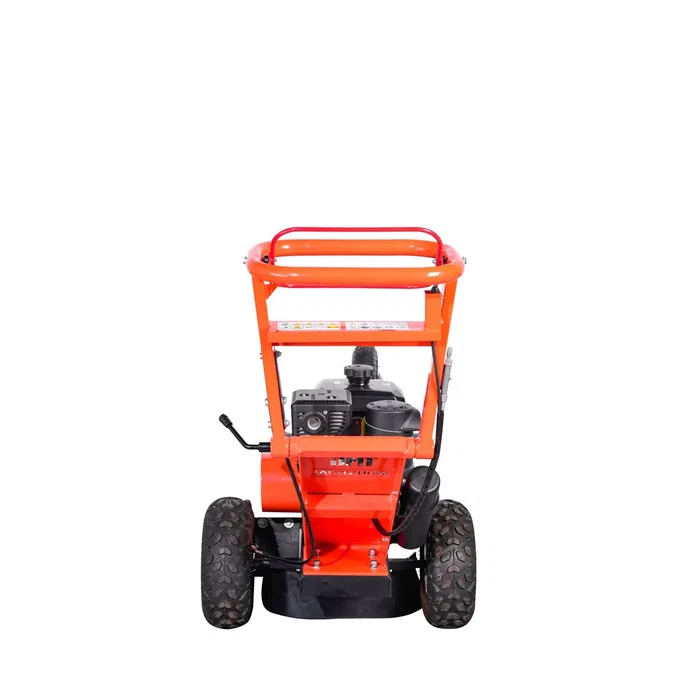
Homeowners running their own equipment increasingly borrow the habits of contractors, locating services and clearing a work zone before anything starts, largely because the machines now available to them carry the same consequences that professional ones do.
That transfer of professional habits is why the outdoor equipment TMG Industrial supplies arrives with the guarding and the operating distances stated rather than assumed.
