
Picture this: someone drops to the ground right in front of you. Your heart races. Time slows down. What happens next depends entirely on whether you’ve prepared for this moment or not.
Here’s the brutal truth: for each minute that ticks by without cardiopulmonary resuscitation, survival probability plummets by 5-10%. Those opening seconds determine everything.
Grasping the importance of CPR means more than memorizing how to push on someone’s chest. It’s about cultivating a comprehensive emergency mindset that serves you across dozens of crisis scenarios you might face.
Why Proper Training Creates Your Foundation
The CPR training benefits ripple through your entire approach to emergencies. Once you’ve been trained properly, something changes. You won’t stand there frozen when a medical disaster unfolds. Instead, you’ll evaluate what’s happening fast, decide what needs doing under immense pressure, and act while everyone else remains stuck in place. This confidence doesn’t only apply to cardiac arrests, it revolutionizes how you respond to any urgent situation.
Southern California’s beach culture and year-round activity mean heart emergencies happen everywhere, from pickup basketball games to mountain trails near the coast. The region’s mix of residents, spanning active-duty military to older adults, generates distinct emergency needs throughout different neighborhoods.
When thousands pack stadiums or convention spaces for major gatherings, having bystanders who know what to do becomes absolutely critical. Many locals seek out CPR certification San Diego training because these programs offer convenient, regionally-specific instruction from actual First Responders who’ve worked in these communities. You’ll gain practical abilities matched to situations you’re genuinely likely to encounter throughout Southern California’s unique landscape.
Capabilities That Apply Across All Emergencies
When you study proper assessment methods, you learn scene safety evaluation first, essential whether you’re helping a heart attack victim or someone hurt during a natural disaster. You’ll gain the capacity to maintain composure even when your adrenaline spikes. The physical conditioning needed for effective chest compressions creates muscle memory useful in various rescue circumstances.
Don’t underestimate communication abilities during crises. Your training shows you how to guide bystanders effectively, communicate clearly with emergency dispatchers, and function within a response team. These aren’t optional skills, they save lives.
The Actual Difference You’ll Make
Something that surprises most people: when bystanders perform CPR, cardiac arrest survival chances triple. That’s not incremental improvement. That’s someone returning home to their kids versus not making it. Neighborhoods with higher training rates consistently see better survival outcomes because more residents understand the correct response.
Organizations where staff members have certification report significantly fewer deaths from cardiac incidents. Educational institutions teaching students these skills produce entire generations ready to act. Even modest increases in community training percentages mean tangible lives preserved annually.
Actionable Preparedness Strategies You Can Implement Right Now
Building Your Household Emergency Strategy
Begin by determining who at home has a medical background or should pursue certification. Post emergency contacts where they’re immediately visible, not just saved in phones that could be across the room. Think about first aid kit storage locations and whether investing in an AED makes practical sense for your situation.
Preparation doesn’t require elaborate drills. Simply discussing scenarios ensures everyone understands their responsibilities. If someone’s choking at the dinner table, what’s your move? Who’s calling 911 while another person starts CPR in emergencies? These conversations carry more weight than you’d imagine.
Workplace Readiness That Actually Functions
OSHA may not mandate CPR training universally, but forward-thinking companies provide it regardless. Appointing specific response team members guarantees that someone qualified is typically present. Strategic AED positioning near busy zones enables rapid access during incidents.
Periodic refresher training maintains competency without dominating everyone’s calendar. Keep detailed records, who holds current certification, expiration dates, and equipment locations. This straightforward documentation prevents chaos during real emergencies when clear thinking gets difficult.
Tools and Technology Worth Using
Applications like PulsePoint notify certified individuals nearby when public cardiac emergencies occur. Smartphone coaching apps deliver real-time guidance through compression techniques if your skills have gotten rusty. Some areas now deploy drone-delivered AEDs that reach patients faster than traditional ambulances in specific situations.
Wearable technology can identify abnormal heart patterns and automatically contact emergency contacts. These innovations won’t replace solid training, but they enhance it meaningfully. What matters is distinguishing which tools deserve trust and understanding how to incorporate them into your response strategy.
Various Approaches to Gaining CPR Competency
Classic In-Person Instruction
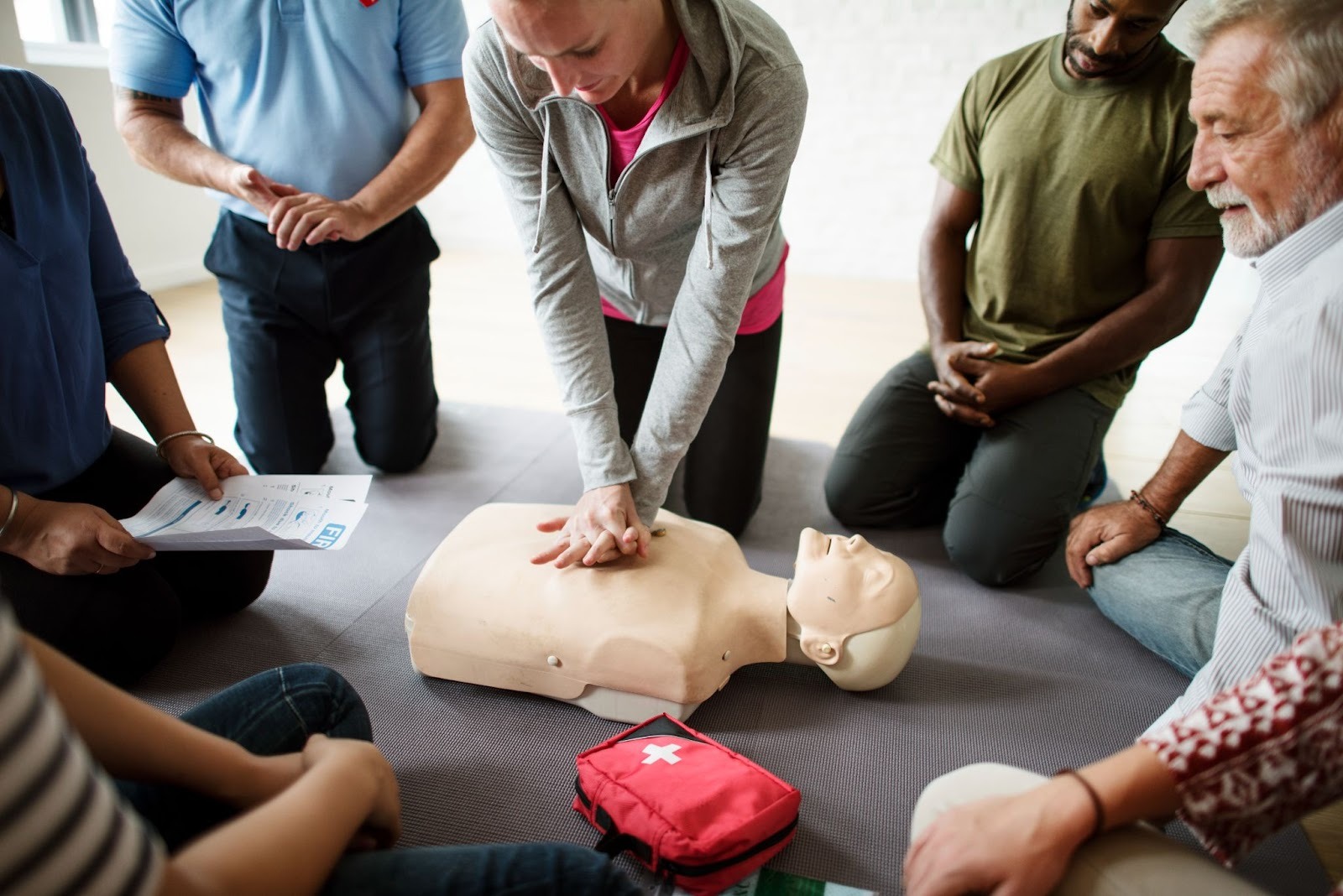
Significant value remains in learning CPR skills through traditional classroom settings. You receive immediate instructor feedback on compression depth and proper hand positioning. Working with training manikins develops confidence impossible to achieve through video alone.
Scenario-driven practice with fellow students prepares you for actual emergency chaos. Most certifications mandate hands-on skills demonstration anyway, so you’ll need face-to-face instruction eventually. Class size significantly impacts quality, smaller groups provide more individual attention and practice opportunities.
Hybrid Training Approaches
Online theoretical components allow you to finish the knowledge sections on your timeline. Then you attend condensed in-person sessions exclusively for skills practice and assessment. This format suits busy professionals who can’t commit entire days to training.
Financial efficiency improves because instructors spend less time covering content you can master independently. Studies on retention show comparable outcomes to traditional formats when executed properly.
Maintaining Skills Through Regular Practice
Your abilities deteriorate more quickly than you’d expect, quarterly practice sessions maintain proficiency far better than recertifying biennially. Brief microlearning modules require just minutes but keep techniques sharp.
Some programs incorporate gamification to transform tedious practice into an engaging activity. Virtual reality training gains accessibility and delivers realistic scenarios without a full classroom infrastructure. The technology hasn’t hit mainstream yet, but it’s approaching quickly.
Understanding the Mental Aspect of Preparedness
Breaking Through Hesitation
Studies demonstrate that trained people act during emergencies much more readily than untrained observers. Makes sense, you don’t want to worsen the situation. But understanding emergency preparedness tips regarding when and how to step in eliminates those psychological obstacles.
The “bystander effect” causes people to wait for others to initiate action. Your training transforms you into that person who steps forward decisively while others hang back.
Controlling Your Physiological Stress Reactions
Your system responds predictably under extreme stress, narrowed vision, diminished hearing, altered time perception. Recognizing these responses helps you push through them instead of letting them control you.
Repeated training across varied scenarios builds stress tolerance that transfers to actual incidents. Post-event psychological impact matters too. Saving someone’s life carries emotional intensity, and you might require support afterward, even when the results are positive.
Your Preparedness Journey Starts Today
Heart emergencies don’t announce themselves in advance. They strike during family gatherings, business meetings, and public events without any warning whatsoever. The CPR training benefits you develop now could save your partner, colleague, or stranger next week.
Beyond mechanical techniques, you’re cultivating a crisis mindset that transforms your response to any urgent situation, composed, assured, and capable. Don’t wait until you’re standing over someone desperately needing help to regret not taking that certification course. Pursue training immediately and become the person who creates positive outcomes when seconds count most.
Frequently Asked Questions About CPR and Readiness
1. How long does CPR certification remain current?
Standard certifications last two years, though research indicates quarterly practice substantially improves skill retention. Warning signs you need refresher training include forgetting proper compression rates or uncertainty about when to begin CPR.
2. Do CPR abilities help during non-cardiac crises?
Definitely, choking intervention, severe hemorrhage management, and stroke recognition all build upon identical assessment and action frameworks taught through CPR training, making you more capable across emergency categories.
3. What distinguishes hands-only from traditional CPR?
Hands-only involves only chest compressions without rescue breathing, recommended for untrained bystanders or adult cardiac arrests. Traditional CPR incorporating breaths remains essential for drowning cases, pediatric patients, and respiratory failure situations.
