
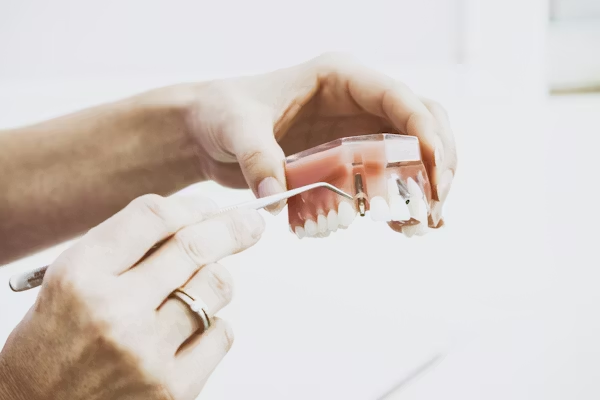
Losing a tooth is rarely just a cosmetic issue. It affects the way a person eats, speaks, and carries themselves through daily life. Many patients spend years managing the quiet discomfort of a missing tooth, unaware of how far modern treatment options have advanced. Dental implants offer a real path back to full function and lasting confidence.
Consulting a trusted dentist Edinburg TX is often the first real step toward restoring a healthy, complete smile. Patients across the Rio Grande Valley frequently delay treatment out of concern for cost or the complexity of the procedure. The reality is that dental implant therapy today is far more accessible and comfortable than most people expect. A knowledgeable provider can walk patients through every stage with clarity and genuine care.
The Quiet Damage That Starts When a Tooth Goes Missing
The Bone Loss That Follows a Gap: When a tooth is left unreplaced, the jawbone beneath it begins to deteriorate. This gradual loss changes facial shape, shifts neighboring teeth out of alignment, and sets the stage for more complex oral health problems. Patients who delay treatment often find that waiting has made the eventual process far longer and more involved than necessary.
How Confidence Takes a Quiet Hit: Missing teeth affect far more than appearance. They disrupt chewing efficiency, alter speech patterns, and cause many patients to quietly withdraw from social situations. Smiling becomes something to conceal rather than share. Over time, the self-consciousness builds in ways that are difficult to notice until the underlying problem is finally addressed and properly resolved.
Why the Neighboring Teeth Pay a Price: When a gap goes unfilled, the teeth on either side begin drifting toward the empty space. This shifting creates bite problems, increases the risk of decay in hard-to-clean areas, and can eventually affect jaw function. What starts as one missing tooth can quietly trigger a chain of issues that would have been avoided entirely with early treatment.
Why Dental Implants Stand Apart From Every Other Option
Osseointegration and the Stability That Sets Implants Apart: The reason dental implants perform so differently from other replacements comes down to osseointegration, the biological process through which a titanium post fuses directly with the jawbone. The implant becomes part of the bone structure itself, creating a foundation that does not shift, click, or require adhesives. This stability cannot be replicated by any surface-level replacement option.
A Long-Term Investment With Real Returns: Each prosthetic restoration placed on a dental implant is crafted to match surrounding teeth in color, shape, and function. Patients often forget which tooth was replaced because the result feels completely natural. With proper care, implants can function reliably for decades. When the lifetime cost is weighed against the recurring expense of other replacements, the value becomes genuinely clear.
The Comfort Factor That Surprises Most Patients: Many patients assume the implant process will be far more difficult than it actually is. Modern techniques, careful planning, and quality anesthesia make placement manageable for the majority of candidates. Recovery is typically shorter than expected, and post-procedure discomfort is usually mild and temporary. Most patients say the anticipation was considerably harder than the procedure itself.
Who Gets Results and What the Process Really Looks Like
Who Qualifies for Dental Implant Treatment: Most adults with one or more missing teeth, sufficient jawbone density, and healthy gum tissue are strong candidates for dental implants. Some patients with moderate bone loss may still qualify following a preparatory procedure. A comprehensive clinical evaluation is the clearest way to determine candidacy and build a realistic treatment timeline for each individual.
Common Situations Where Implants Make Sense: Several patient experiences tend to point toward dental implants as the most practical long-term solution:
- One or more missing teeth that interfere with daily chewing or comfortable speaking.
- Ill-fitting dentures that cause soreness, slipping, or persistent embarrassment in social settings.
- A preference for a permanent restoration that requires no removal, adhesives, or nightly cleaning routines.
- Concerns about ongoing jawbone deterioration and the facial changes that come with untreated tooth loss.
Knowing What to Expect at Each Stage: The implant process begins with imaging and a detailed health assessment, moves through placement and a healing phase, and ends with attachment of the permanent crown. Each stage is explained clearly before treatment begins. This upfront transparency removes the uncertainty most patients fear and allows them to enter each appointment with realistic expectations firmly in place.
Making the Decision That Changes Everything
Beyond the Procedure, Into Daily Life: Patients who complete implant treatment often describe changes that reach further than anticipated. They eat without restriction, smile without hesitation, and move through daily interactions with renewed ease. The return of confidence is not always something patients fully expected. For many, it quietly improves areas of their life they had not connected to their teeth at all.
Taking the First Step Without Overthinking It: The most common reason patients delay implant treatment is uncertainty. Not knowing what the process involves, what it costs, or whether they qualify keeps many people from asking at all. A consultation clears most of that quickly. Patients who go in simply to learn almost always leave with a clearer picture and real direction forward.
A Future With a Smile You Stop Hiding
Missing teeth do not have to define your quality of life. Dental implants restore full function, rebuild confidence, and protect long-term oral health in ways no other treatment can replicate. For patients who have managed this problem for years, the change tends to be significant. Schedule a consultation today and take the first step toward a complete, lasting smile.
