
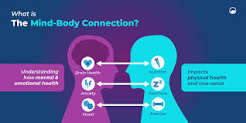
Addiction recovery has traditionally centered around clinical treatment: therapy, medical detox, structured programming. Increasingly, though, holistic and mind-body practices are being recognized as valuable additions to this clinical foundation, not as replacements, but as complementary tools that support the whole person through recovery, not just the clinical symptoms of substance use.
Why Holistic Approaches Have Gained Wider Recognition
Recovery involves far more than managing physical dependence. It involves rebuilding emotional regulation, reconnecting with a sense of purpose, and learning to manage stress without relying on substances. Holistic practices, things like mindfulness, yoga, breathwork, and other mind-body approaches, address exactly these dimensions, offering tools that support the nervous system and emotional regulation alongside traditional clinical treatment.
This growing recognition reflects a broader shift in how wellness is understood generally: that physical, emotional, and mental health are deeply interconnected, rather than separate systems to be treated independently.
Mindfulness as a Practical Recovery Tool
Mindfulness practices help build a person’s capacity to notice difficult emotions, cravings, or triggers without immediately reacting to them. This skill, often developed through simple daily practices like guided breathing or brief meditation, gives someone a genuine pause between an urge and an action, which can make an enormous difference during vulnerable moments in early recovery.
Some residential treatment programs incorporate mindfulness and other holistic practices directly into daily programming, giving people structured time to build this skill alongside their clinical treatment rather than treating it as an optional extra.
Movement and Body-Based Practices
Yoga, gentle movement, and other body-based practices offer something particularly valuable during recovery: a way to reconnect with the body after a period when substance use may have created real disconnection from physical sensation and self-awareness. These practices also support nervous system regulation, helping to manage the physical symptoms of stress and anxiety that often accompany early recovery.
Nature and Environment as Part of Holistic Healing
Time spent in natural settings has a well-documented calming effect on the nervous system, and many holistic approaches to recovery incorporate this directly, whether through outdoor activities, natural surroundings during treatment, or simply intentional time spent away from more clinical, indoor environments. This connection to nature can offer a grounding counterpoint to the more structured, clinical aspects of treatment.
Integrating Holistic Practices Within a Full Continuum of Care
Holistic approaches tend to work best when they’re woven consistently throughout a person’s recovery journey, rather than introduced briefly during one treatment stage and then dropped. Organizations offering a full continuum of care can support this kind of consistency, carrying holistic and mind-body practices forward from initial treatment through outpatient care, so these tools remain part of someone’s ongoing toolkit well beyond a single program.
Why Holistic Practices Complement, Rather Than Replace, Clinical Treatment
It’s worth emphasizing that holistic practices are most effective as a complement to strong clinical care, not a substitute for it. Medical detox, evidence-based therapy, and psychiatric support where needed remain the clinical foundation of effective treatment. Holistic practices add another dimension of support on top of that foundation, addressing aspects of wellbeing that purely clinical treatment sometimes leaves less attended to.
The Bottom Line
Holistic and mind-body practices offer meaningful support during addiction recovery, helping address the emotional, physical, and nervous system regulation pieces that clinical treatment alone doesn’t always fully cover. When integrated thoughtfully alongside strong clinical care, and carried consistently across a full continuum of treatment, these practices can offer a more complete, whole-person approach to lasting recovery.
