
Undergoing medical treatment for cancer is a profound journey that requires resilience, patience, and comprehensive care. While modern medicine focuses on eradicating illness, patients often seek ways to support their overall wellbeing at home. By blending advanced clinical protocols with holistic wellness practices, individuals can nurture their bodies, manage discomfort, and maintain a sense of empowerment. Two of the most effective areas to focus on are adopting an organic, gentle skincare routine and fuelling the body with a restorative diet.
Minimising Discomfort with Precision and Care
The landscape of oncology has evolved remarkably in recent years. Today, advanced facilities utilise highly targeted techniques to treat tumours with incredible accuracy. When undergoing Radiation therapy, precision technology ensures that treatments focus heavily on the affected cells while aiming to preserve healthy surrounding tissues. However, even with the most careful and advanced clinical approaches, the skin in the treated area can undergo significant stress and physical changes.
According to guidance from the NHS on how to care for your skin during radiotherapy, patients frequently experience issues such as redness, peeling, and severe itching in the targeted zones. To manage these symptoms effectively, medical experts explicitly advise patients to avoid common commercial products that contain alcohol, synthetic fragrances, or harsh preservatives. These common additives can severely dry or irritate compromised skin, making the healing process much harder. Switching to a purely natural approach becomes not just a holistic preference, but a medical necessity to protect your comfort and overall health. It is always important to consult your medical team before applying any new topical treatment to the affected area.
Crafting a Gentle, Chemical-Free Skincare Routine
Protecting your skin barrier is paramount when recovering from targeted medical treatments. Commercial lotions are often packed with artificial colours, hidden irritants, and heavy perfumes that can easily exacerbate skin sensitivity. Instead, turning to nature offers soothing, effective relief without the risk of harsh chemical exposure.
Botanical ingredients are uniquely suited to deliver intense hydration without disrupting the skin’s delicate balance. For instance, understanding the importance of cosmetic butters in skincare can completely transform a daily routine for sensitive individuals. Rich, organic options like pure shea, cocoa, and mango butter provide deep hydration and essential fatty acids. These natural elements help fortify the skin’s natural defences and promote gentle, safe healing.
To maintain healthy skin during your treatment journey, consider implementing these simple, daily habits:
- Opt for lukewarm water: Hot showers can strip away natural protective oils, so always bathe in lukewarm water to keep the skin calm and hydrated.
- Pat dry gently: Never rub or scrub the skin with a towel. Instead, gently pat the area dry using a soft, organic cotton towel to prevent friction.
- Moisturise frequently: Apply pure, natural moisturisers or cosmetic butters immediately after bathing to lock in hydration and soothe the skin barrier.
- Wear loose clothing: Choose breathable, natural fabrics like cotton, bamboo, or silk to prevent irritation against sensitive areas throughout the day.
- Avoid extreme temperatures: Stay away from ice packs or heating pads on the treated areas, as temperature extremes can further damage fragile skin cells.
Fuelling Recovery with an Organic, Anti-Inflammatory Diet
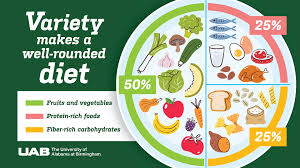
Just as your skin requires external nourishment, your body demands internal support to repair tissues and combat treatment-related fatigue. What you put on your plate plays a vital role in how you feel day to day. A holistic approach to nutrition focuses on whole, organic, and plant-rich foods that naturally reduce inflammation and boost the immune system.
Hydration is the absolute foundation of recovery. Drinking plenty of purified water helps flush out toxins and maintains cellular health. Incorporating hydrating organic foods like cucumber, watermelon, and leafy greens also contributes significantly to your daily fluid intake. Furthermore, filling your meals with antioxidants helps protect healthy cells from oxidative stress. Fresh berries, dark leafy greens, and raw nuts are excellent choices to incorporate into daily snacks.
Lean proteins and complex carbohydrates, such as quinoa, lentils, and sweet potatoes, provide a steady release of energy to counter the profound tiredness that often accompanies clinical recovery. By choosing organic produce whenever possible, you minimise your exposure to pesticides and allow your body to focus all its energy on healing rather than processing unnecessary toxins.
Navigating health challenges requires a multifaceted and compassionate approach. While skilled medical professionals provide the essential clinical interventions, you hold the power to optimise your daily comfort through mindful lifestyle choices. By embracing pure botanical skincare and wholesome organic nutrition, you can actively participate in your recovery. These gentle, natural habits do more than just soothe the body. They offer peace of mind, ensuring that every step of your healing journey is supported with the utmost care.
