
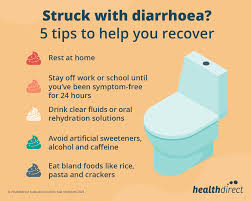
Gastrointestinal distress is a nearly universal experience, yet when it stems from contaminated sustenance, the physical toll can be particularly taxing. Food-poisoning occurs when pathogenic bacteria, viruses, or parasites—or the toxins they produce—infiltrate the digestive system. While the body’s natural response is to expel these irritants as quickly as possible, the resulting symptoms can lead to severe dehydration and exhaustion.
Developing a standardized recovery protocol is essential for managing these episodes safely. By understanding the biological mechanics of infection and implementing professional strategies for how to stop diarrhea, individuals can significantly shorten their recovery window and protect their long-term gut health.
Phase 1: Identifying the Source of Food-Poisoning
The first step in any recovery protocol is recognizing the onset. Food-poisoning symptoms can appear as quickly as one hour after consumption or may remain latent for several days, depending on the specific pathogen involved. Common culprits include Salmonella, E. coli, and Listeria, each affecting the intestinal lining differently.
When these pathogens enter the small or large intestine, they irritate the mucosal lining. This irritation triggers an inflammatory response, causing the intestines to flush themselves with water and electrolytes. This rapid transit is the body’s defensive attempt to “wash out” the offender, but it often results in the painful cramping and urgency associated with acute diarrhea.
Phase 2: The Immediate Response – Hydration and Stabilization
The most critical risk during an episode of food-poisoning is not the pathogen itself, but the secondary effect of dehydration. As the body loses fluids at an accelerated rate, it also loses vital minerals like sodium, potassium, and chloride.
The Rehydration Hierarchy:
- Sips, Not Gulps: When nausea is present, drinking large amounts of water can trigger further vomiting. Small, frequent sips are more effective for absorption.
- Electrolyte Solutions: Plain water is often insufficient during severe episodes. Oral rehydration salts (ORS) or diluted broths are necessary to restore the body’s osmotic balance.
- Avoid Irritants: During the first 24 hours, strictly avoid caffeine, dairy, and highly sugary beverages, as these can draw more water into the gut and worsen the condition.
Phase 3: Professional Intervention – How to Stop Diarrhea
While the body’s instinct is to flush out toxins, prolonged diarrhea can become counterproductive, leading to extreme weakness and a compromised immune system. Knowing how to stop diarrhea using clinically proven methods allows the body to retain enough fluids to actually fight the underlying infection more effectively.
Pharmacological Management
The use of anti-diarrheal medication is a cornerstone of the recovery protocol. These medications generally work by slowing down the transit time in the gut. By reducing the frequency of bowel movements, the medication provides the large intestine with the necessary time to reabsorb water.
- Restoring Rhythm: Most over-the-counter options target the “motility” of the gut. By calming the hyperactive contractions of the intestinal muscles, they stop the “rapid-fire” nature of the illness.
- When to Medicate: Professional guidance suggests that if the diarrhea is non-bloody and not accompanied by a high fever (which might indicate a systemic invasive infection), medication is an appropriate way to manage symptoms and prevent dehydration.
Phase 4: Dietary Transition and the BRAT Protocol
Once the frequency of episodes has been reduced through medication and stabilization, the focus shifts to nutrition. You should not rush back to a normal diet. The “BRAT” diet has been a clinical standard for years because it consists of low-fiber, “binding” foods that are easy on a sensitive stomach:
- Bananas: High in potassium to replace lost electrolytes.
- Rice: Plain white rice provides energy without irritating the gut.
- Applesauce: Contains pectin, which can help firm up stools.
- Toast: Low-fiber white bread provides easy-to-digest carbohydrates.
As you transition out of food-poisoning, avoid fatty, fried, or highly spiced foods for at least 48 to 72 hours after the last episode. The gut lining is delicate after an inflammatory event and requires time to regenerate its protective mucus layer.
Phase 5: Post-Recovery Gut Health
After successfully navigating how to stop diarrhea, the final step is “re-seeding” the gut. The aggressive flushing of the intestines often removes beneficial bacteria along with the harmful ones.
- Probiotics: Incorporating fermented foods (like yogurt with live cultures) or a high-quality probiotic supplement can help restore the microbiome.
- Gradual Fiber Reintroduction: Slowly reintroduce soluble fiber (like oats) before moving back to heavy insoluble fibers (like raw kale or skins of fruit).
Summary Table: The Recovery Protocol
| Stage | Goal | Action Step |
| 0-6 Hours | Stabilization | Small sips of electrolyte fluids; total bowel rest. |
| 6-24 Hours | Symptom Control | Determine if anti-diarrheal medicine is needed; start BRAT diet. |
| 24-48 Hours | Rehydration | Focus on nutrient-dense liquids and soft carbohydrates. |
| Day 3+ | Restoration | Introduce probiotics and monitor for recurring sensitivity. |
When to Seek Medical Attention
While most cases of food-poisoning can be managed at home using these protocols, certain “red flags” require professional medical consultation:
- Symptoms lasting longer than 48 hours without improvement.
- A fever exceeding 39°C (102°F).
- Signs of severe dehydration, such as dark urine, dizziness, or the inability to keep any liquids down.
- Blood present in the stool.
Conclusion
Navigating an unexpected bout of food-poisoning requires a balance of patience and proactive management. By understanding how to stop diarrhea through a combination of hydration, specific dietary choices, and the responsible use of medication, you can regain control over your digestive health. Remember, the goal of a recovery protocol is not just to end the discomfort, but to support the body’s natural healing processes while preventing the dangerous side effects of fluid loss.
